Habitusliving.com |
- Delving Into Design With Patricia Urquiola
- Swapping Suburbia for a Compact Inner-City Terrace
- The Spirit of Old Melbourne in Brew Apartment
| Delving Into Design With Patricia Urquiola Posted: 29 Jun 2021 09:55 PM PDT  Speaking to her about her practice, the past year and her collaborations with bathroom specialist LAUFEN, Patricia Urquiola reveals herself as a woman who is very much looking to the future as she explores the ways in which her design prowess can contribute to the changing face of working and living. Understanding that design can lead in the workplace by fostering safety and wellbeing, Urquiola is using her unique talent to pave the way with new and exciting product collections that are both visionary and practical but always inspirational. Alice Blackwood: As a busy designer, how do you like to begin your day and what and where is your happy place?Patricia Urquiola: I like waking up pretty early, it gives me time to organise my day and start it with my family, having breakfast together. The first thing I do when I wake up is read the news on my iPad while drinking coffee. Right afterwards, I start thinking about my daily appointments. I go through my messages, reply and see things that my team sends me. I do some research for projects, take books and materials from home to the studio. My happy place is where my family is. 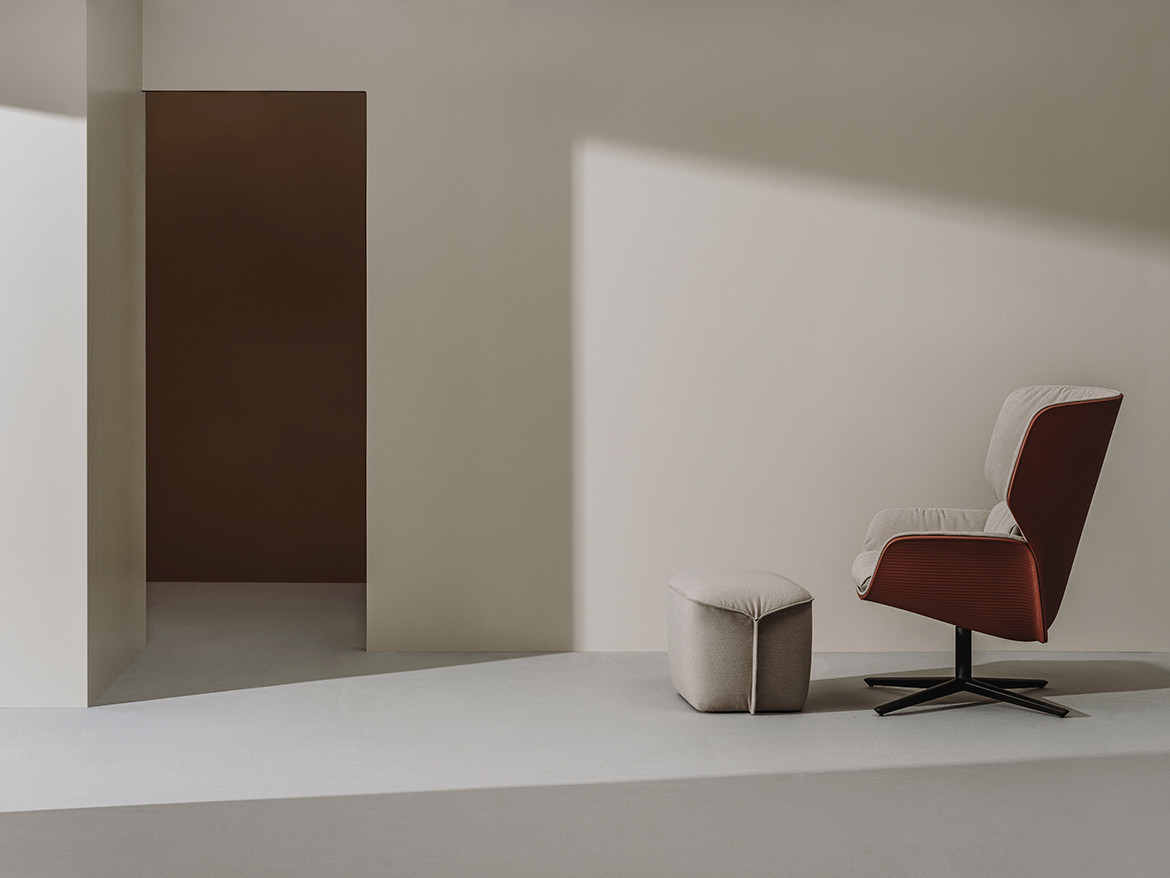 Nuez Lounge designed by Patricia Urquiola for Andreu World At this time what challenges and excites you?First thing that came to my mind is Salone del Mobile, scheduled for September 2021. We missed it in 2020 and I really hope we will be able to celebrate the 60th edition in a proper way. Milan and the whole design industry are looking forward to it. Even this year, we will all have to go through new challenges and difficulties, it will not be the same fair as before, we need to become more and more adaptive. Can you describe how your practice and design approach has evolved?I think my method is still more or less the one I had when I started my career. It means I go through a lot of research; I look for inspiration in every creative discipline, but also in the simple actions of everyday life and in the world that surrounds me. Then, when the design process starts, I constantly look for the dialogue, with both the client and my team. A good designer needs to deeply enjoy the whole process, with its challenges, changes and most importantly mistakes. They are essential, I have learnt a lot from my mistakes. 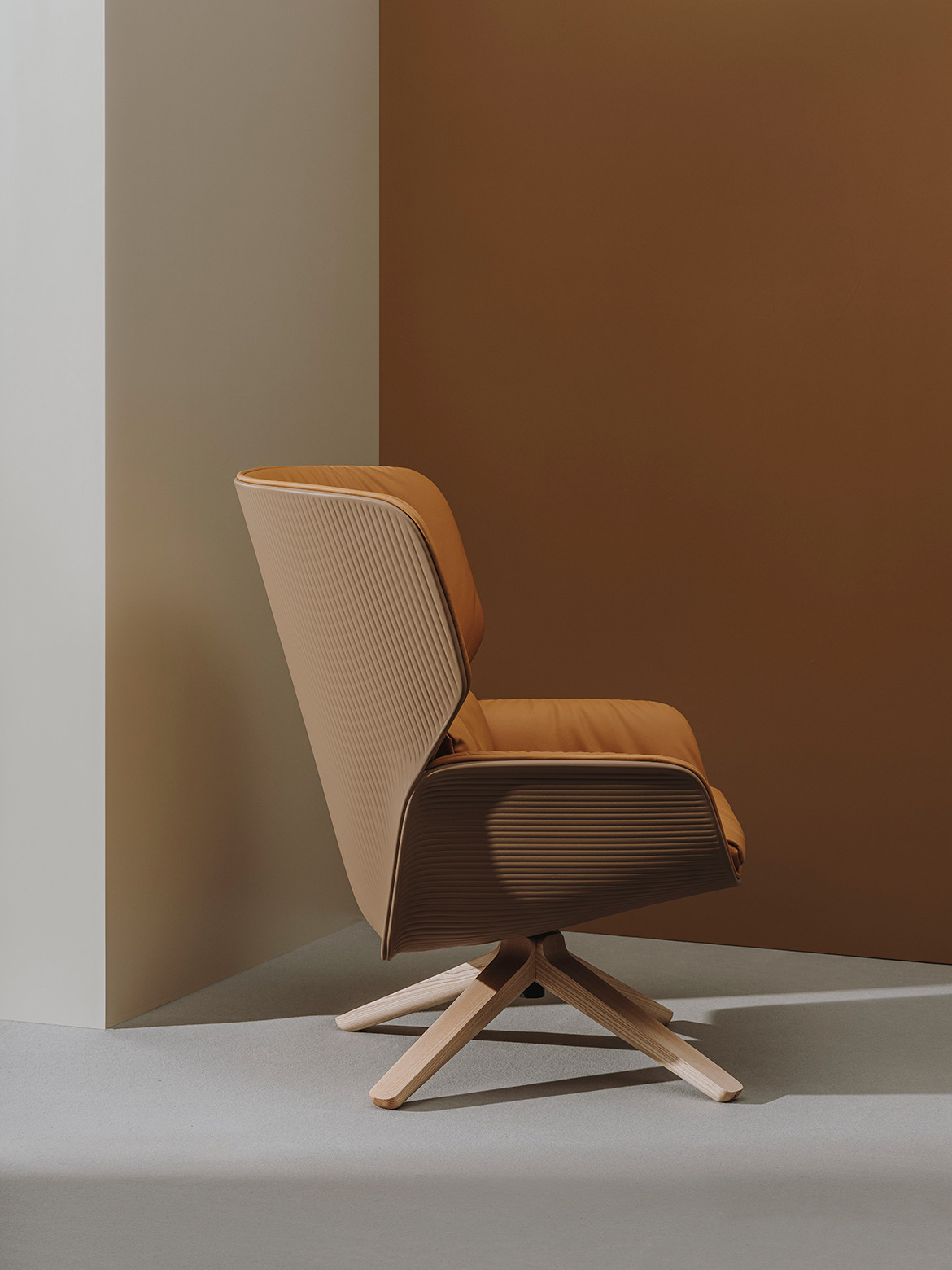 Nuez Lounge designed by Patricia Urquiola for Andreu World
What do you love most about designing for the bathroom? And given that we are all spending so much more time at home, working, homeschooling and living out all facets of our daily life, has the role of the bathroom changed, in your view?The bathroom is a place for retreat and self-care. Especially during the past months we spent at home, we realised that our bathrooms have become almost like our personal spa, in which we can really spend moments of privacy and wellbeing. We can finally relax in our bathtubs, while before we were used to just having a fast shower before going out again. Design of bathrooms will follow this re-discovery of this pleasant domestic moment. 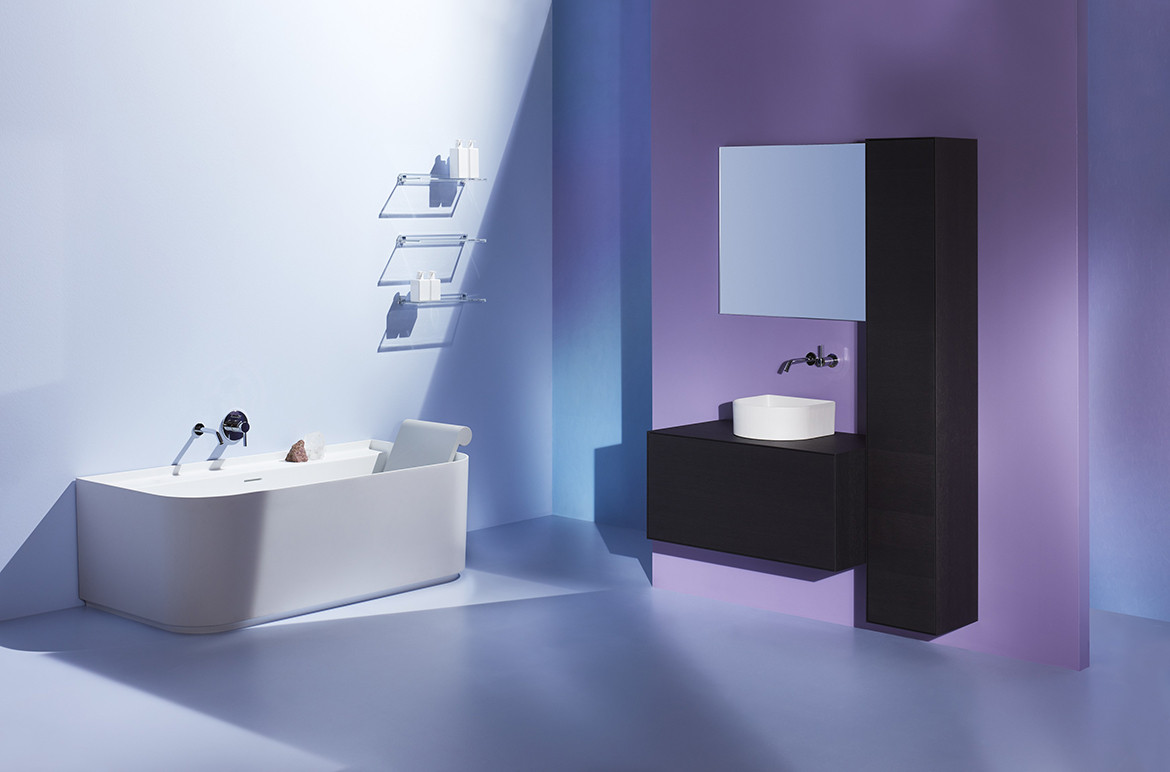 LAUFEN Sonar
Tell me about your new release for LAUFEN and the points of investigation (for example, sound waves, sculpting surfaces) that define this?For me, Sonar stands for contrasts, balance, elegance: the rigour of architectural minimalism, formal understatement, and the dynamism of water and sound waves in close relationship. My aim was to combine these apparently widely separated sources of inspiration into a collection that is the expression of a gentle balance between angles and curves. Bathroom aside, you work with many of the world's leading design brands. What makes your partnership with LAUFEN special for you?Well, we first worked together in 2016 on the brand's showroom in Madrid, [Spain]. From that first collaboration, a positive relationship started to grow between my team and LAUFEN's. So, we started collaborating on a design collection, which began with LAUFEN's SaphirKeramik, the world's thinnest ceramic. I wanted to explore and interpret the unique and interesting characteristics of this material, in terms of design, form and function. From this, the Sonar project started to take shape. I always state that the best part of my job is the joy of the process and this was absolutely the case with LAUFEN. Patricia Urquiola This article originally appeared in issue #83 of Indesign 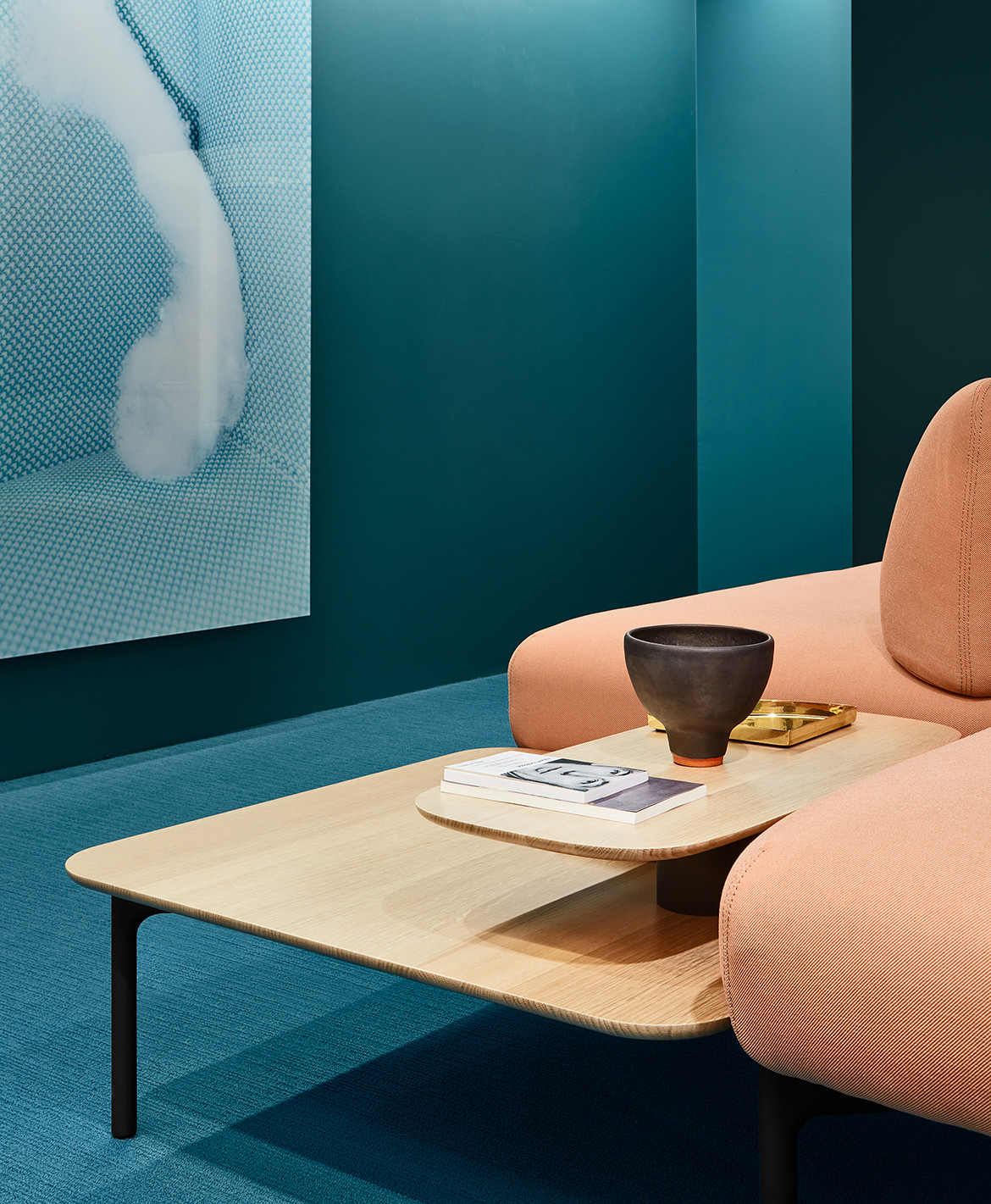 Cabana Lounge designed by Patricia Urquiola for Haworth, photo by Kendall McCaugherty The post Delving Into Design With Patricia Urquiola appeared first on Habitusliving.com.  |
| Swapping Suburbia for a Compact Inner-City Terrace Posted: 29 Jun 2021 09:03 PM PDT 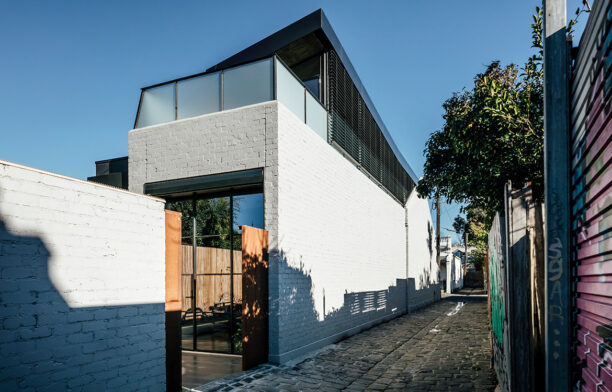 “When our clients initially came to us, they were so excited about moving from suburbia to the inner city," says Melissa Lim, principal at Mitsuori Architects. "It was the same excitement you see when someone sets themselves on a path to a tree change – it is liberating. We loved that they were intending to create a family home on this tiny block and how committed they were to creating an unconventional home that didn't tick boxes, but was just right for them."
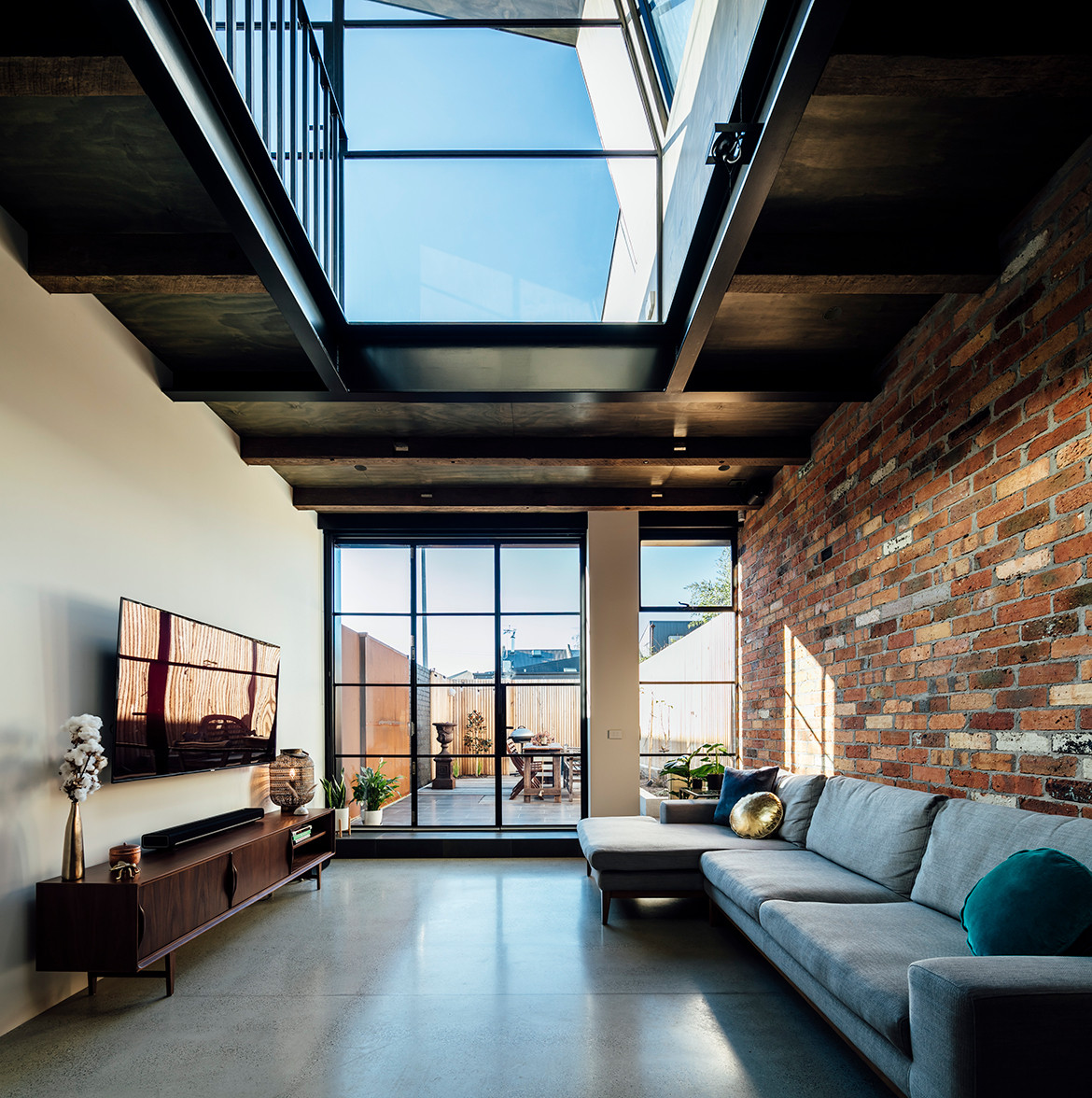
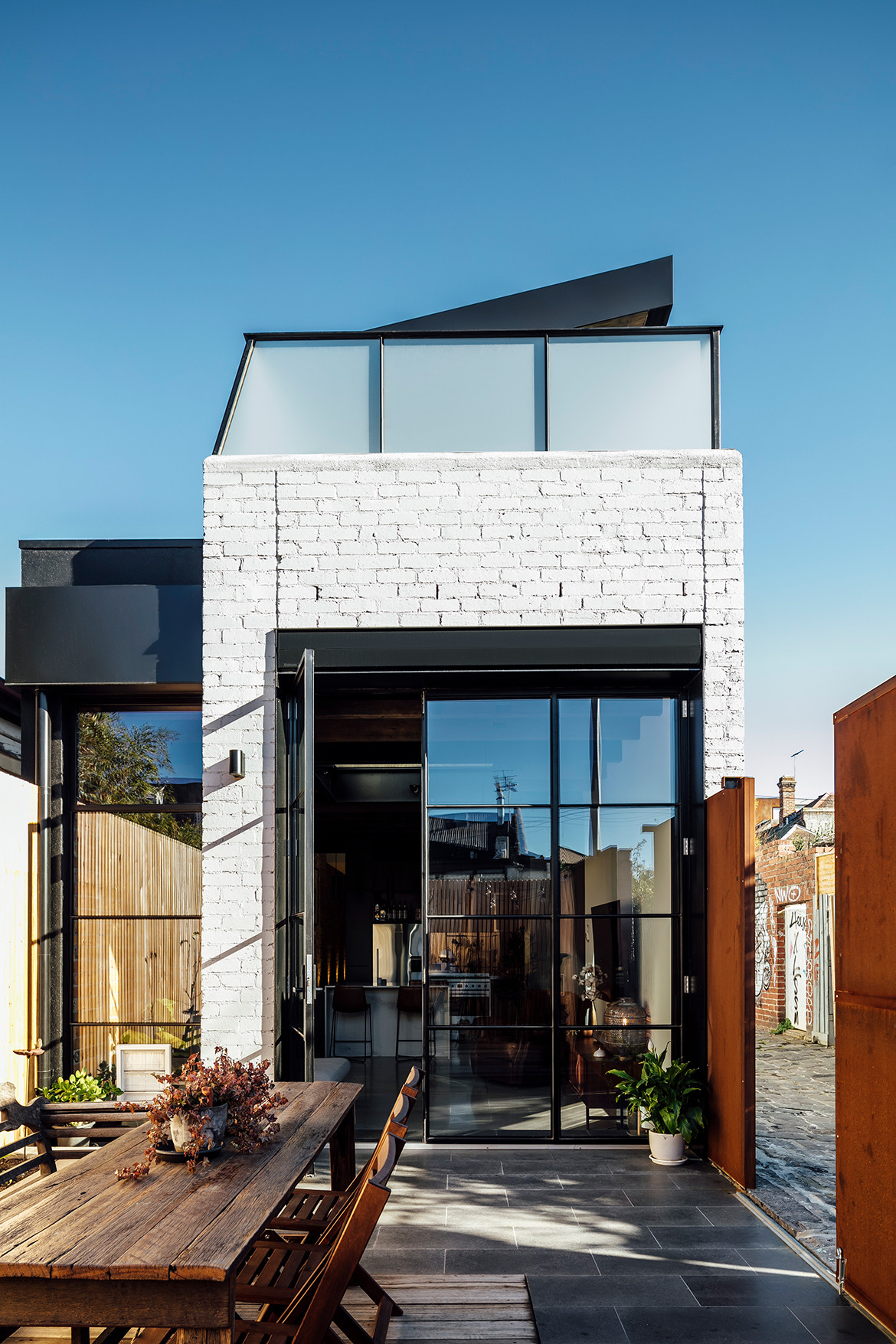
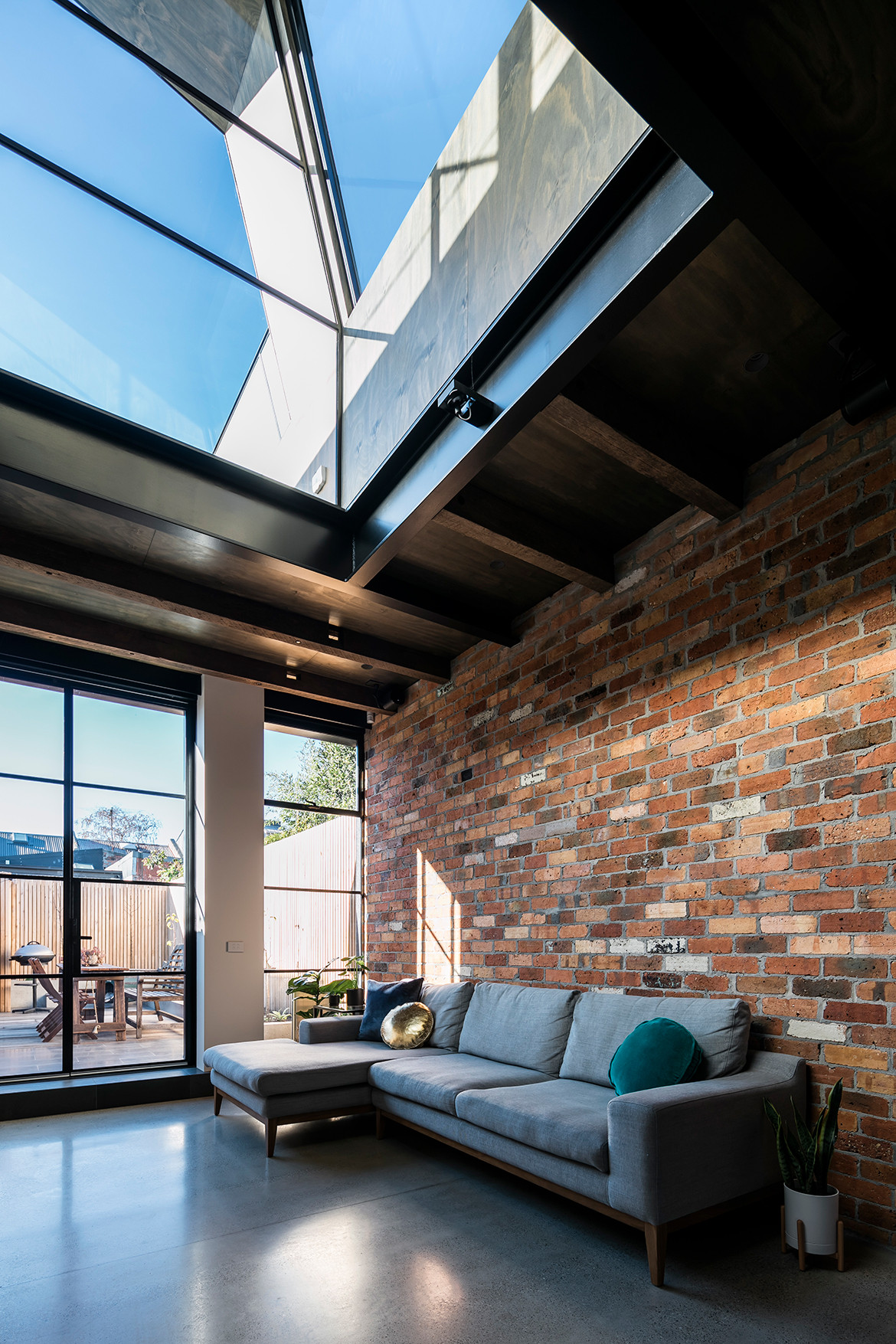
Analysing Tree Change House is an exercise in grasping just how expertly Mitsuori Architects has conceptualised and crafted space and light in a modest Victorian terrace house, within exceptionally challenging planning and spatial parameters. Given that the original house was sited on a mere 4.2 metre-wide corner parcel meant that an additional level had to be added to the building to accommodate the new spaces required. In addition, the proximity of the neighbouring properties precluded the addition of windows to either side of the building at ground floor level. The team's solution was to bring light in from the top of the house.
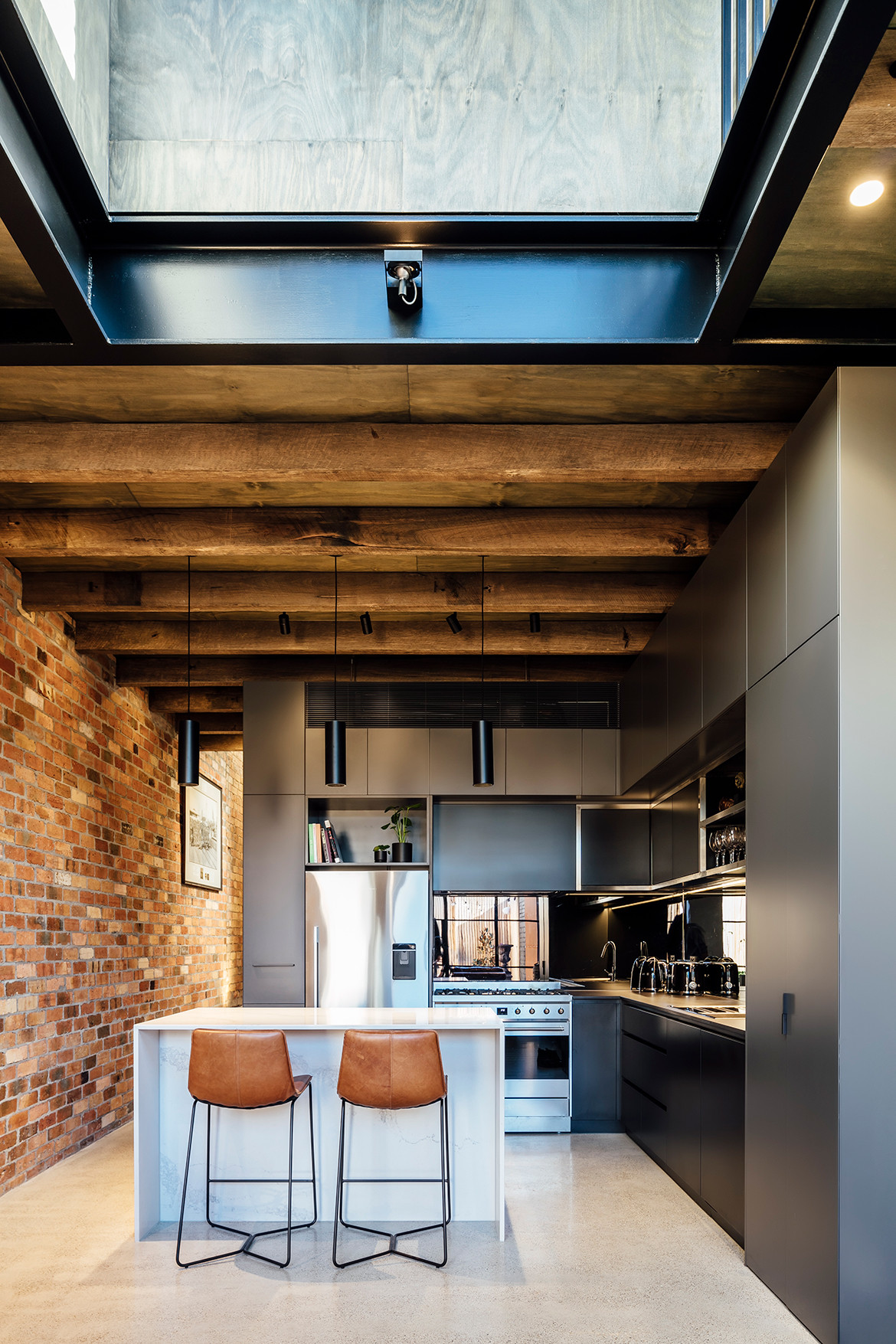
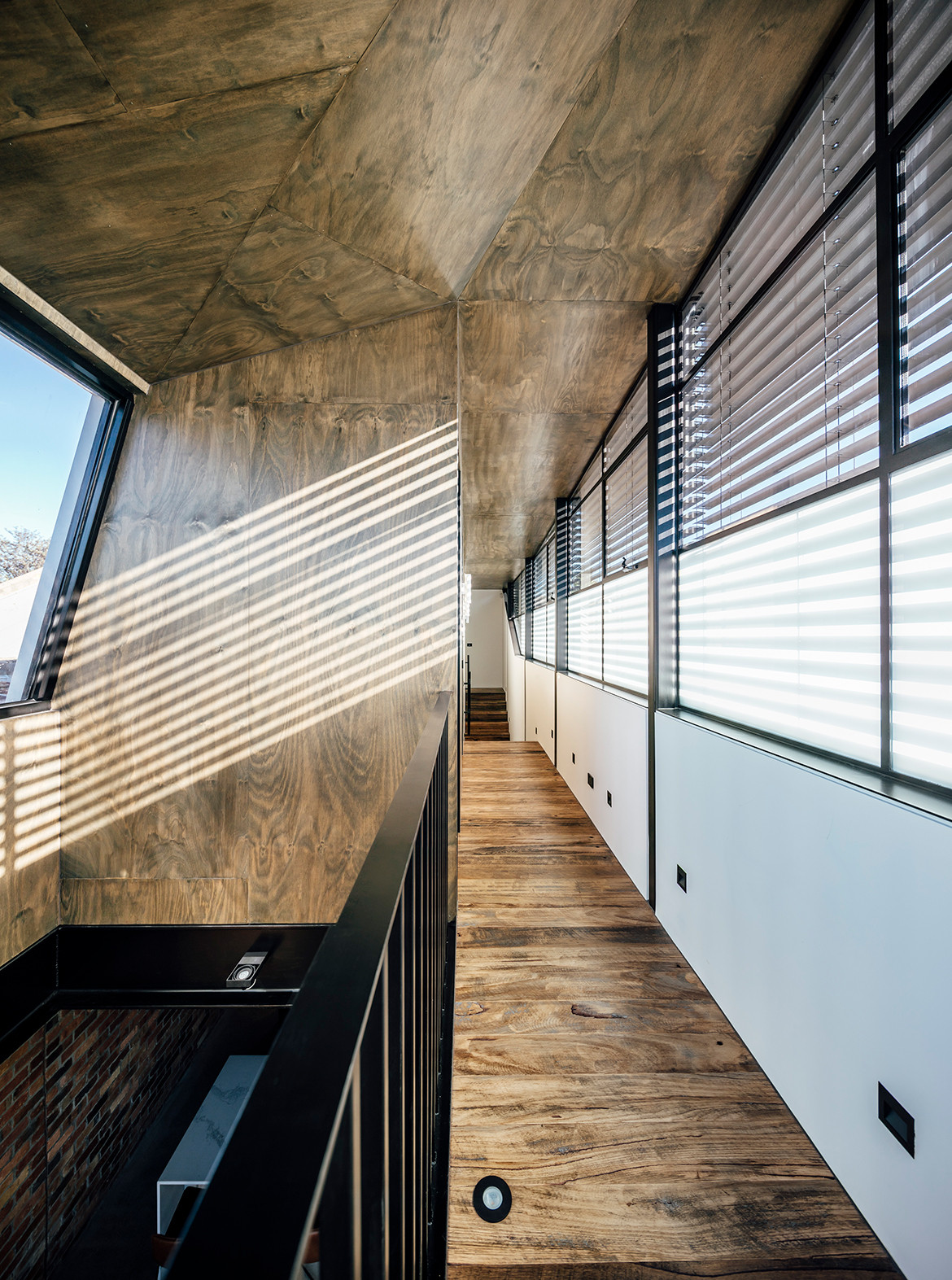
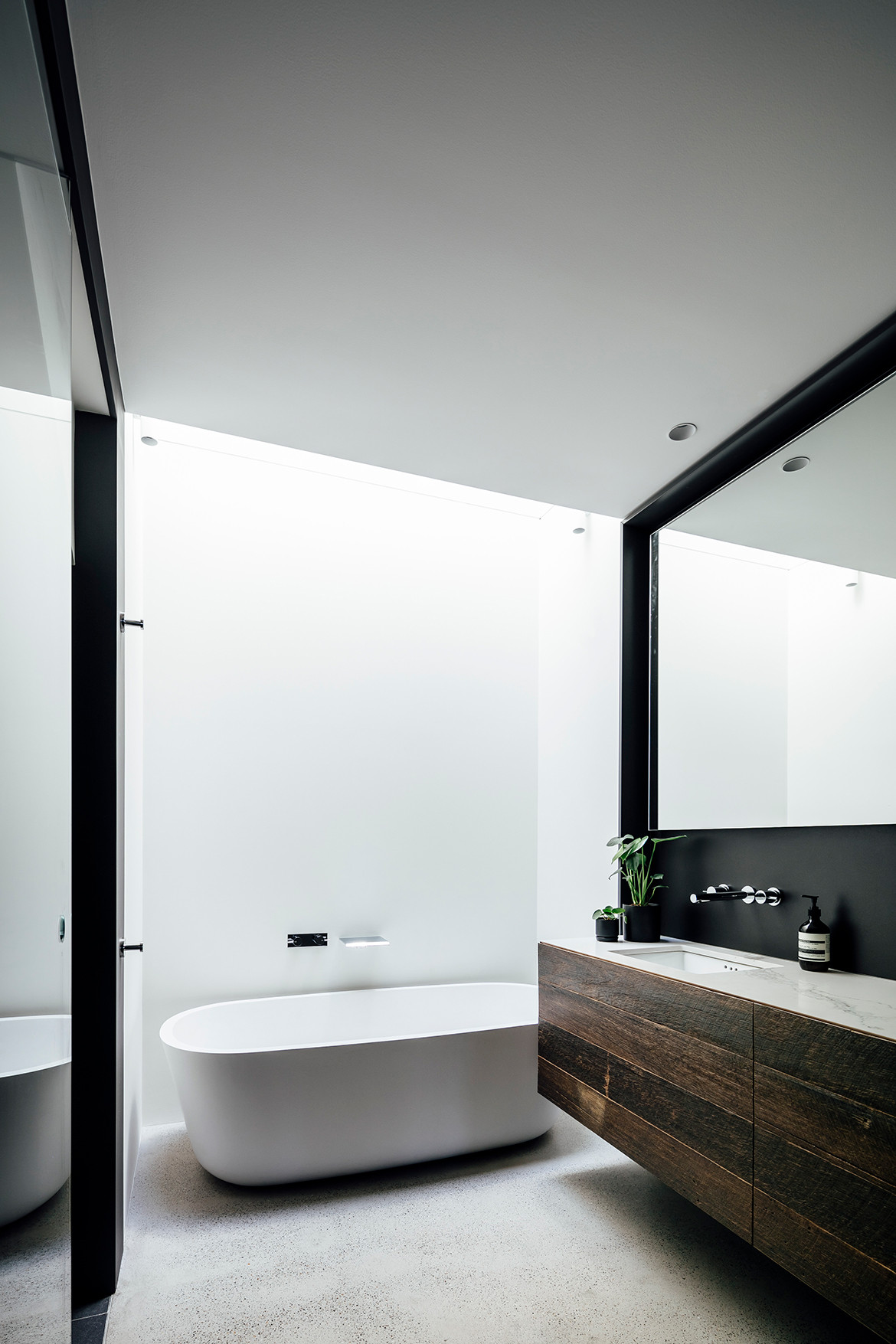
"Our approach to the design of spaces (especially very small spaces) is to influence the perception and experience of spaces by manipulating light and views. In a sense, spaces are visually enlarged by 'borrowing' from other spaces as daylight and volume became extremely valuable," says Melissa. "The result is a necessarily sculptural building form that is legible from inside and out." The architects' resolution includes a soaring six-metre-high void over the main living space, which brings north light into the centre of the home and allows extended views through both floors of the house. In the deepest part of the home, a sky-lit shaft is positioned over the bath to bring light and contrast to the ensuite, also drawing natural light into an attic bedroom above. At first floor level, a bridge with views across the skyline crosses the void below and links bedrooms with a small outdoor terrace. "The interlocking of spaces and sharing of views makes this home feel larger and more open than it actually is," adds Melissa.
From a planning perspective, the layout comprises a number of "zones". "Zoning is particularly important for a family home as occupants need opportunities to come together but also to retreat to their private spaces," explains Melissa. As a result, the house has two separate points of entry, the existing front door and a gate through to the rear yard. A master bedroom and ensuite are located in the existing rooms of the house. Behind this, a stair, study nook and utility areas separate the bedroom from the main living space. The stair sits discreetly off the main corridor and splits in two with one flight leading to an attic bedroom tucked between the ceiling of the main bedroom and the existing roofline. This room was cleverly transformed from a constrained space into a studio bedroom by placing the 'bed' on a raised platform over the existing bedroom. The other stair flight leads to a third bedroom, a bathroom and a bridge to the outdoor terrace.
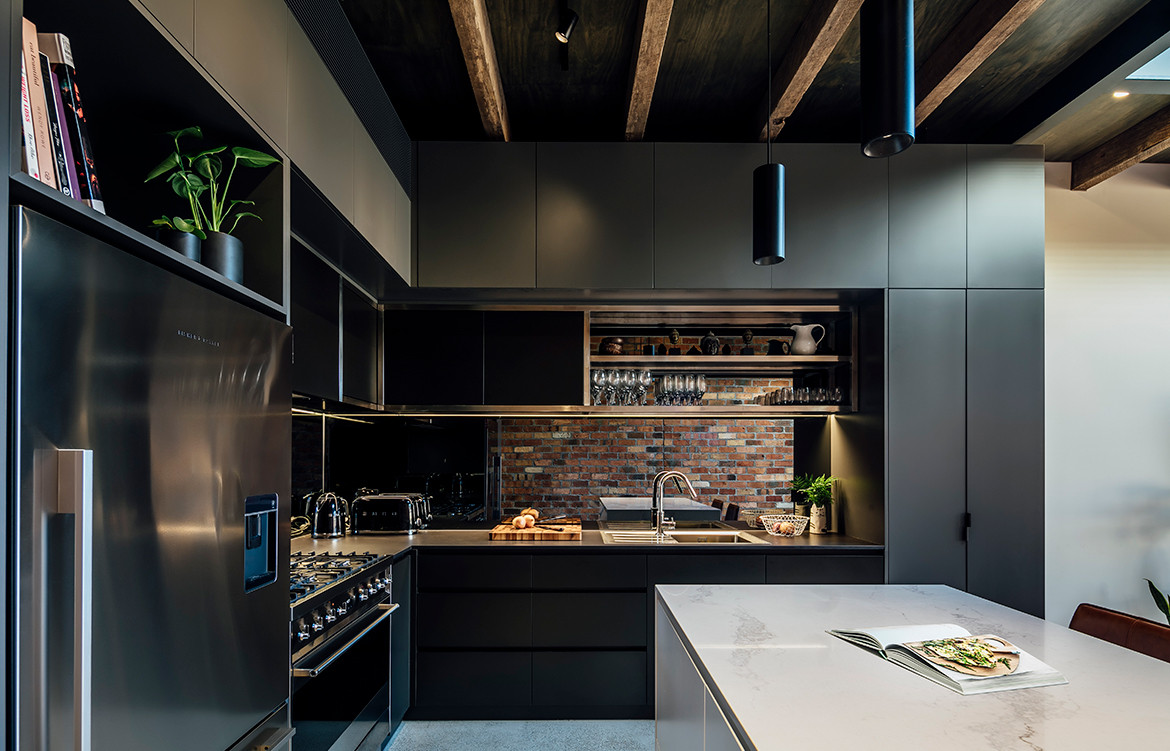
Industrial in nature, the approach to interiors was driven largely by the clients' perception of Fitzroy as a vibrant and edgy retail precinct. “The restrained palette of dark grey paint, stained plywood, steel and glass are reminiscent of Fitzroy's industrial heritage," says Melissa. "In addition, the original house had very few original features left. Chimneys had been removed, brick walls were painted out and wood panelling covered almost everything!" The team stripped back the painted brick walls to reveal the natural color and texture of the original brick and in referencing the client's connections to the timber industry, reclaimed timber was used in the structure, cladding and joinery.
"This house was one of those projects that began with us wondering if it would even work," concludes Melissa. "We had never heard of a family with two adult children moving from spacious suburbia to a compact inner-city terrace." Reverse Tree Change House serves as proof that a house that prioritises the ergonomic and pragmatic needs of occupants over architectural form, still has the potential to be both extremely functional and aesthetically arresting. Mitsuori Architects Photography courtesy the architect We think you might like this Portsea project by Mistuori Architects
The post Swapping Suburbia for a Compact Inner-City Terrace appeared first on Habitusliving.com.  |
| The Spirit of Old Melbourne in Brew Apartment Posted: 29 Jun 2021 04:39 PM PDT 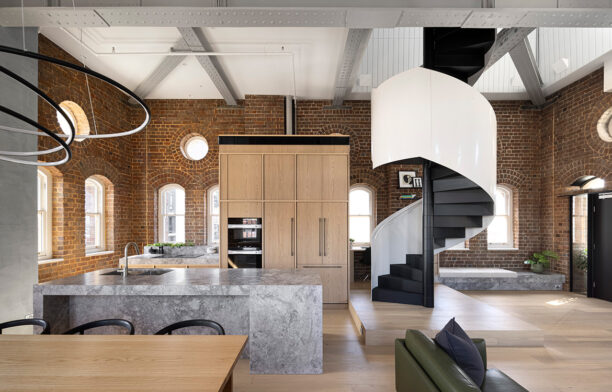 There is a certain style that speaks of living in Melbourne – perhaps it is the weather that informs the design of homes where the cold winters or crisp autumn and spring days make inside the place to be. Whatever the catalyst for Melbourne design, in essence it is about good taste and comfort that is appropriate for its place. With this in mind, Brew Apartment captures the feeling of Melbourne with a renovation and interior redesign that incorporates the best of heritage and modern to perfection.
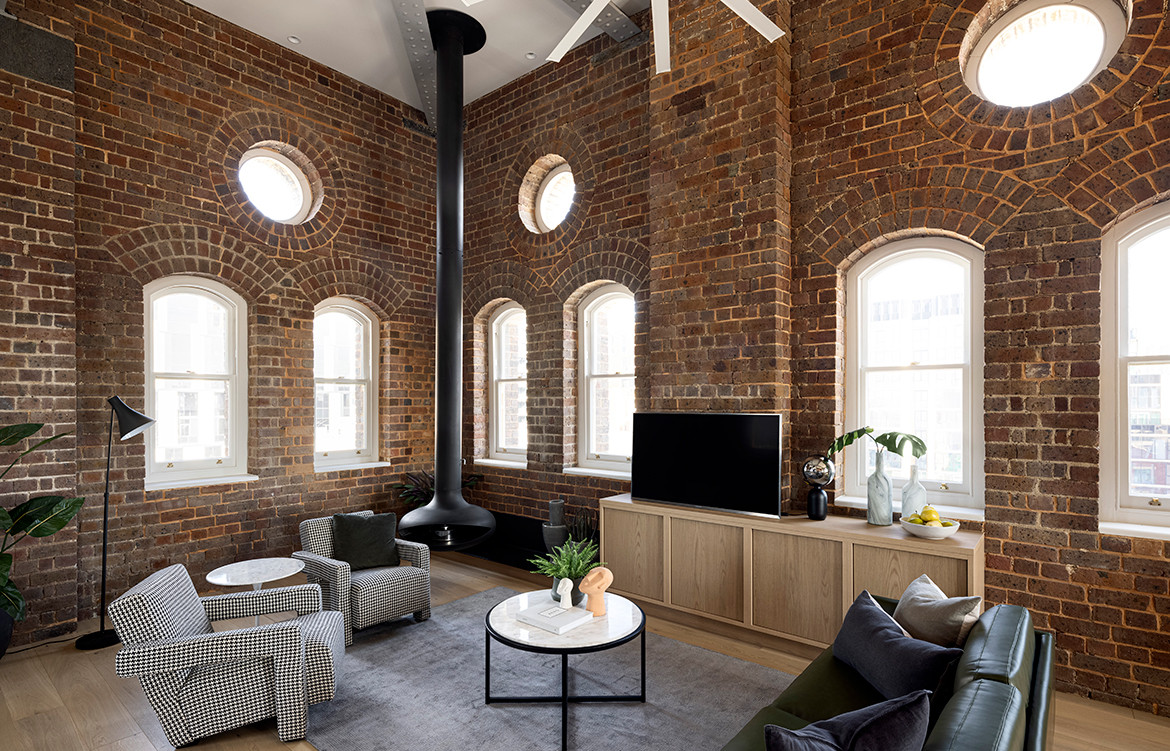
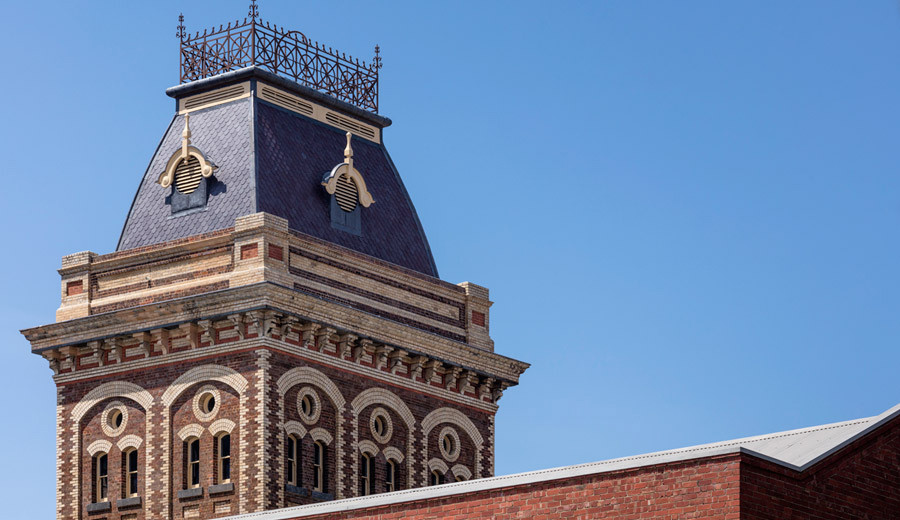
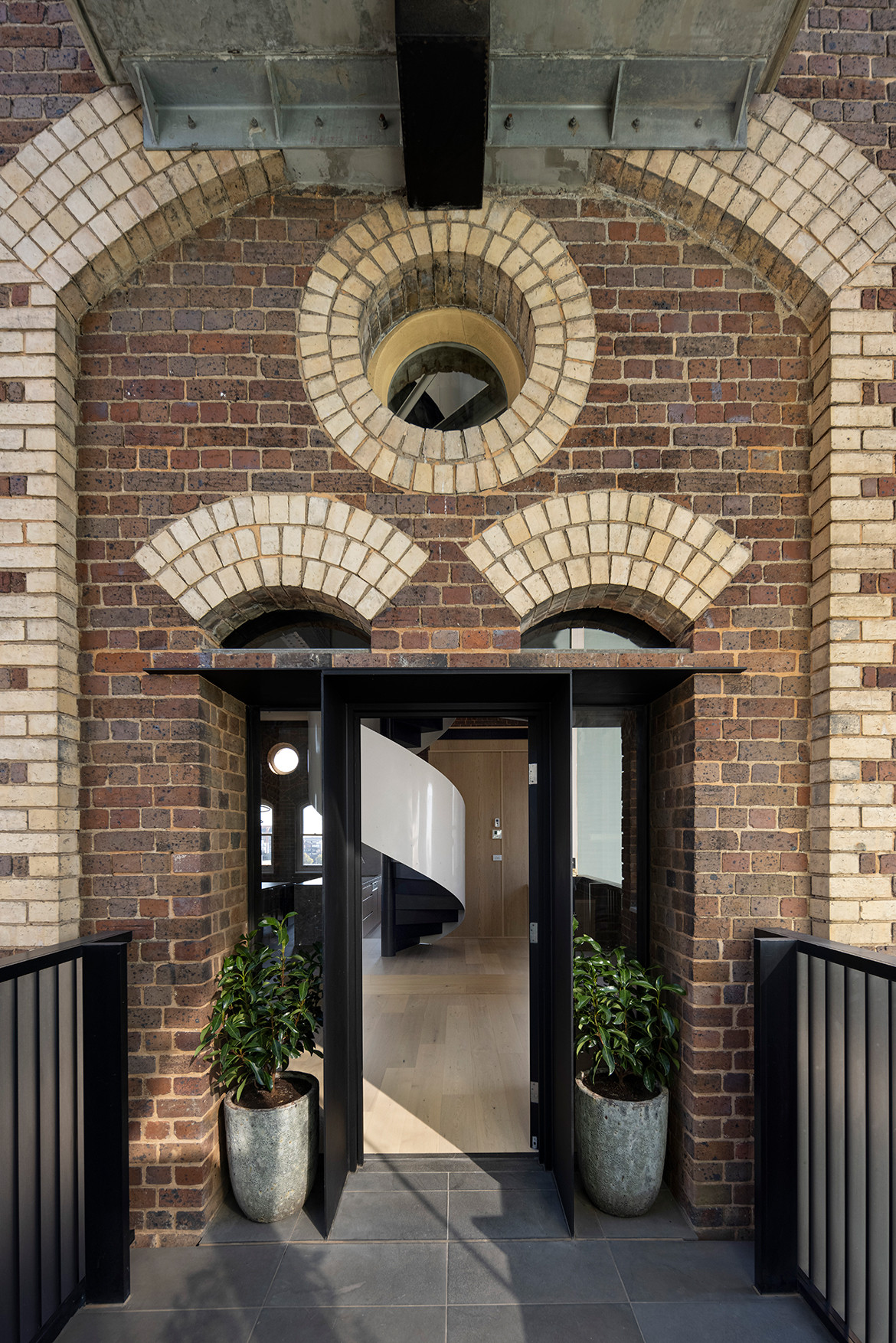
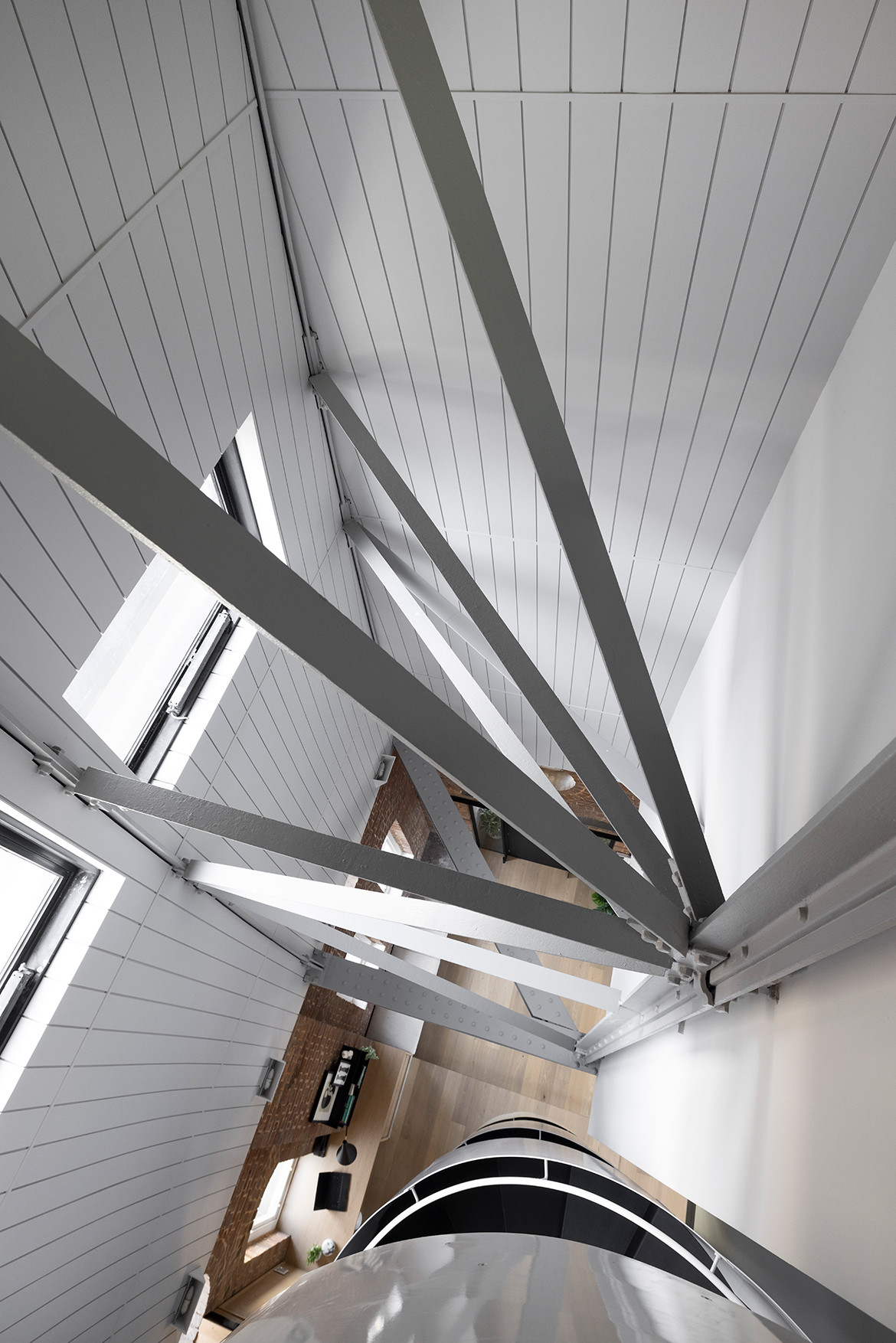
Brew Apartment has a history. Located within the Second French Empire Mansard Roof of a heritage-listed building, the Yorkshire Brewery Brew Tower, the situation is indeed unique. The brew tower was constructed in 1876 and at the time was the tallest building in Melbourne – oh how things have changed. As the only substantially intact example of 19th century brew towers in Victoria and with deference to this history, there was a sensitive restoration by SMA Projects with assistance from Hayball Architecture and Lovell Chen Architecture + Heritage in 2015. However, it wasn't until 2020, when Kate Roach Architecture and Design was approached to redesign the interior. 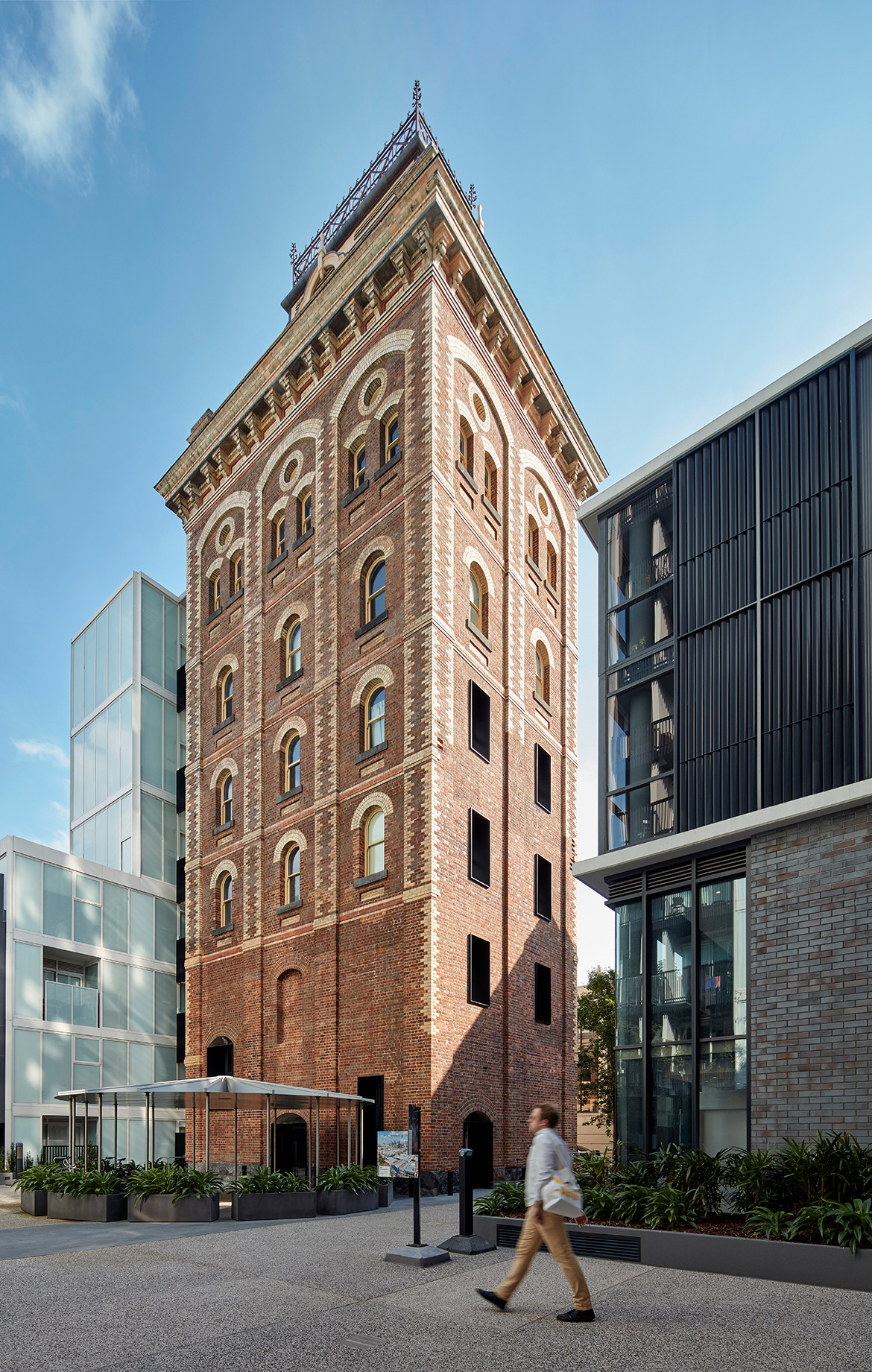 Photo by Peter Clarke
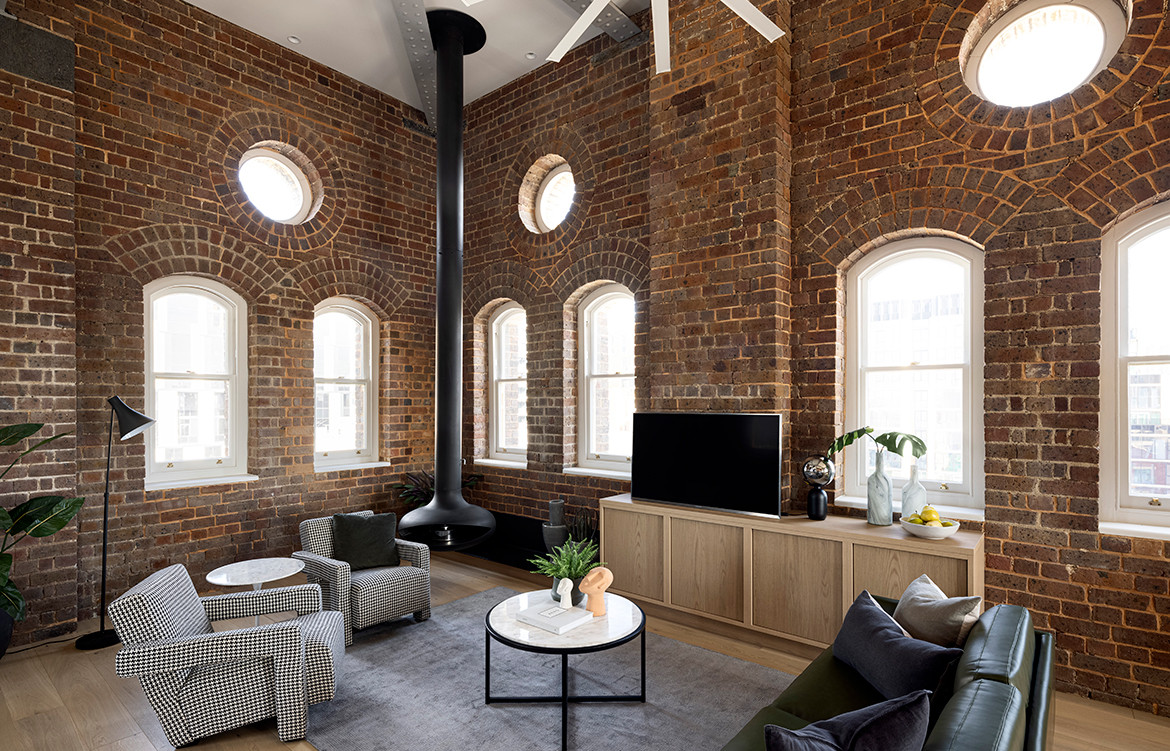
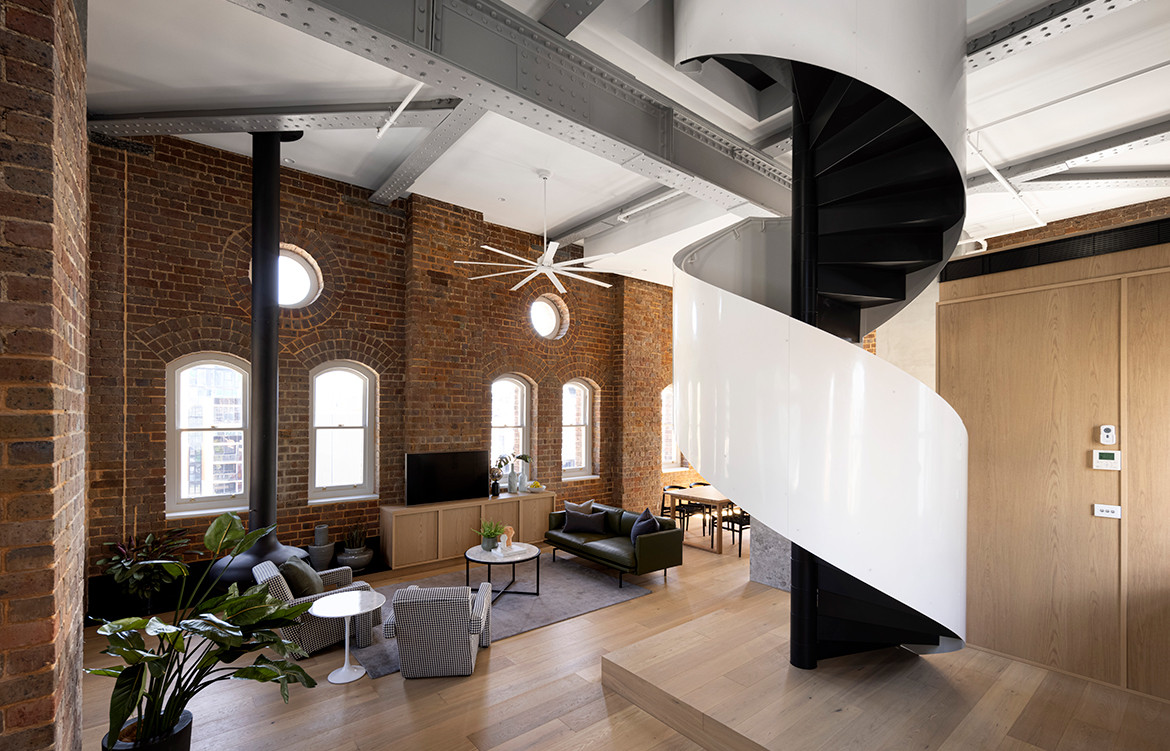
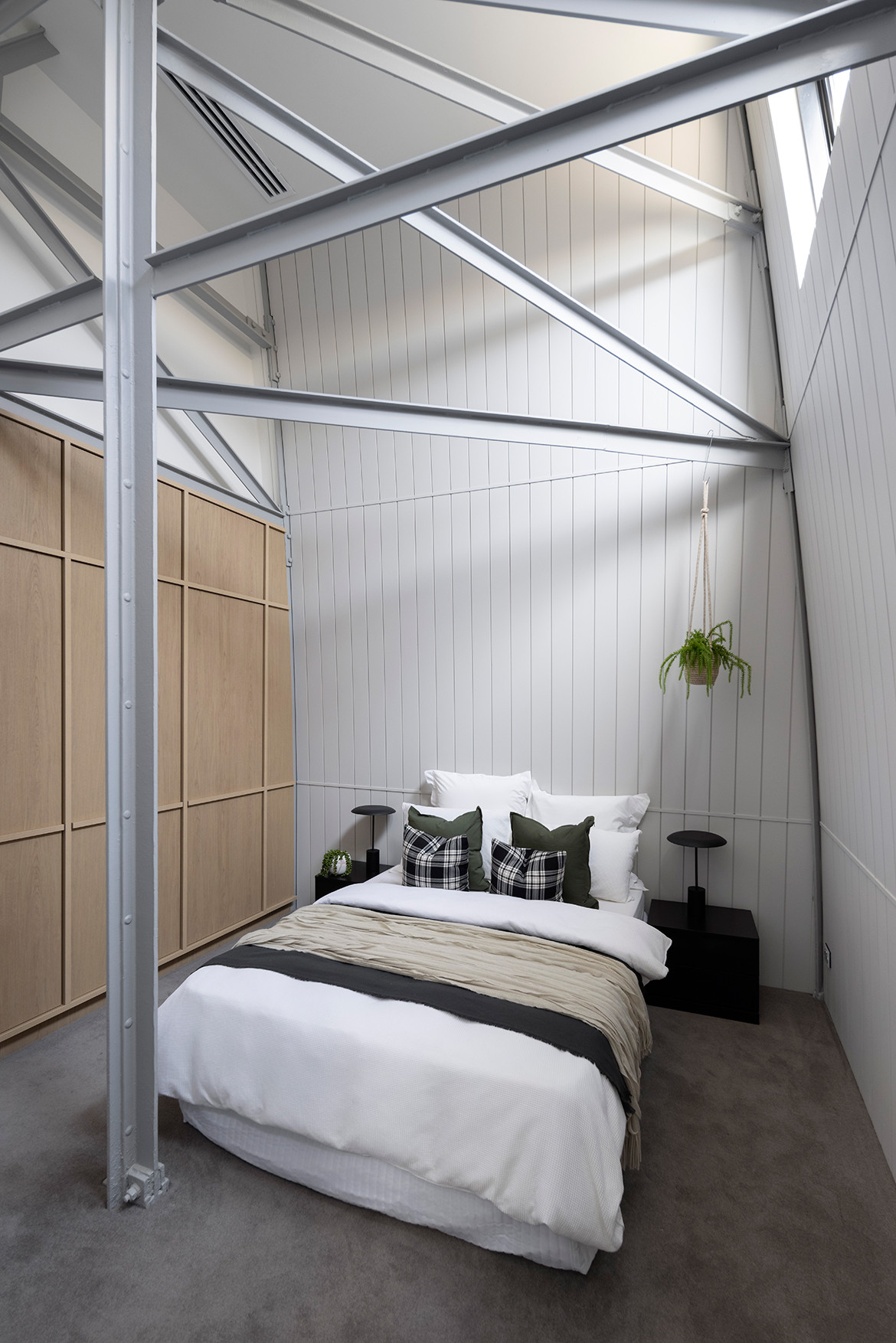
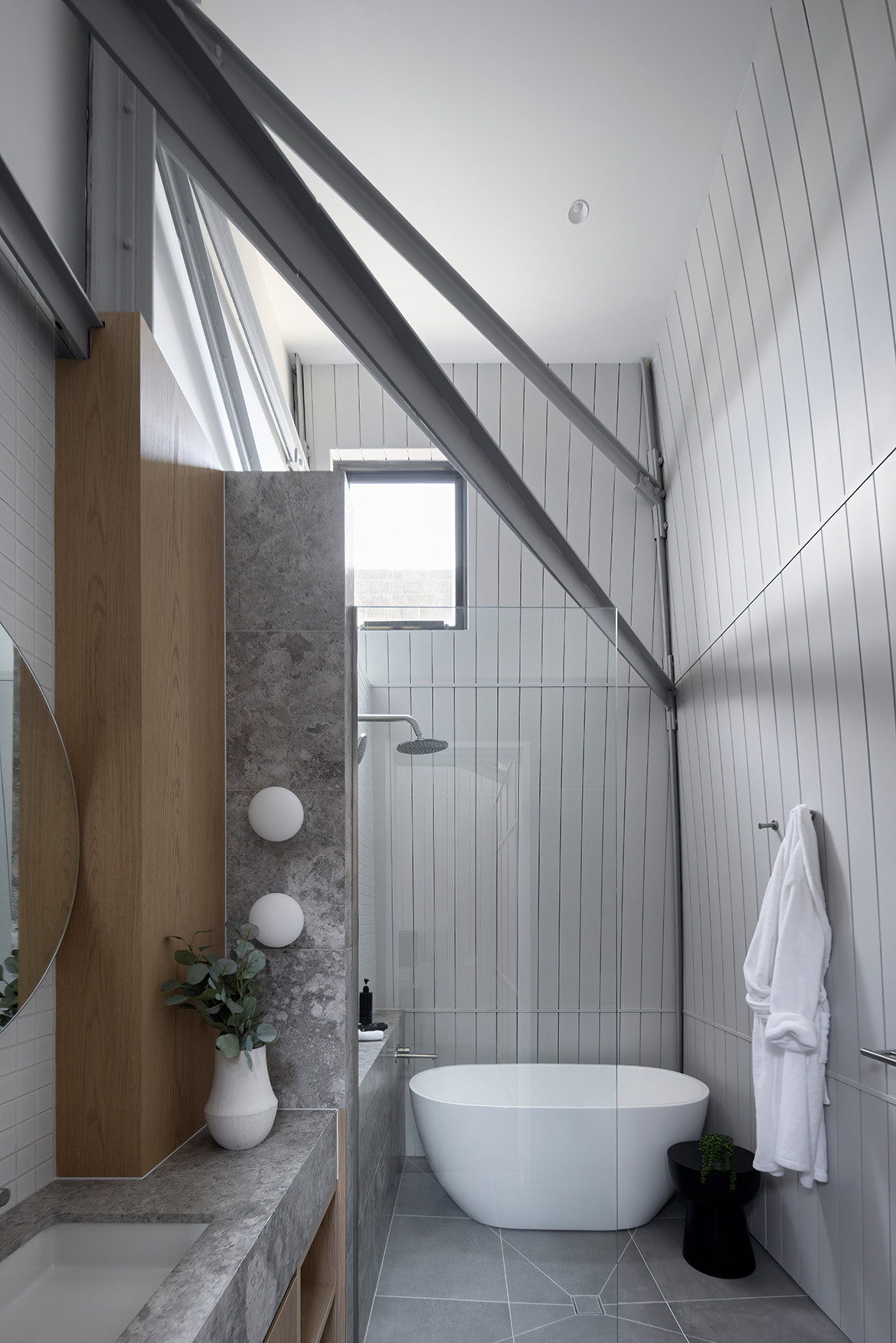
Now the apartment is a fusion of elegance and contemporary form and function that emulates a new grandeur all of its own. Roach explained, "Working with heritage buildings always presents challenges – but of course this is what makes delivering a project like this so special. Embracing the building's history, we wanted the spaces to take full advantage of the exposed brickwork, structural beams and mansard roof, rather than seeing them as challenges. We saw it necessary to preserve the impact of place and the spirit of 'old Melbourne' but maintain residential scale."
Historical features in the heritage brickwork and bracing complement modern custom-made joinery, while marble benchtops and tiles sit comfortably beside European oak timber floors. To access the three levels of the apartment a spiral staircase has been installed and this becomes a design feature, definitely 21st century, but in sync with the spirit of the original building. The materiality provides gravitas to the design while the colour palette of browns, white and black add definition and warmth to the space and Roach commented, "We were inspired by the brewery's natural charm and Collingwood's district character. Shades of caramel and muted grey counter the industrial elements – we wanted to deliver a residence that was both warm and striking."
The open plan entertaining area is punctuated by carefully placed cabinetry and furniture groupings and there is ample natural light from the many windows, both original and new. The interior is sophisticated and luxurious but not overwhelmingly so, and there are lounge chairs and a leather couch that provide just the place to relax. Lighting is minimal and unobtrusive save for the beautiful pendant above the dining table that echoes the form of the circular staircase and appears to simply float overhead. This is an apartment that while respecting heritage has created a new and contemporary home for the resident. Beautifully crafted, Brew Apartment exudes a Melbourne sensibility where refined design and the old and the new reside together perfectly. Kate Roach Project team Developer and Builder: SMA Projects We think you might like this house apartment in Singapore by L Architects
The post The Spirit of Old Melbourne in Brew Apartment appeared first on Habitusliving.com.  |
| You are subscribed to email updates from Habitusliving.com. To stop receiving these emails, you may unsubscribe now. | Email delivery powered by Google |
| Google, 1600 Amphitheatre Parkway, Mountain View, CA 94043, United States | |


No comments:
Post a Comment