Eater - All |
- The United States of Fried Chicken
- The Chicken Cutlet Is Forever
- Which Chain Makes the Best Fried Chicken?
- The Happiest Food on Earth?
- All Hail the Halal Fried Chicken Shop
- Indian Fried Chicken Is Its Own Beautiful Thing
- The Best Chicken Nugget Shapes, According to Kids
- Americans Can’t Kick the Fried Chicken Bucket
- For Generations of Black Women, Fried Chicken Meant Financial Freedom
- A Four-Ingredient Fried Chicken Recipe With a Story to Tell
| The United States of Fried Chicken Posted: 29 Jun 2022 06:03 AM PDT  Your double-dredged, battered, spiced, crispy-fried guide to America's favorite food What does it take for a dish or a food to be considered "American." Is there something inherent in the seasonings, the ingredients, or the presentation that makes it ours? Or is it just something most everyone's tried, or at least would recognize on a glowing fast-food menu? National dishes are particularly tricky in this country where one's eating habits are so deeply dictated by their individual experience — something we know varies widely depending on location, ethnicity, cultural background, socioeconomic status, and plain ol' taste. Depending on those variables, your idea of a defining American dish might look like apple pie, macaroni and cheese, a New York slice, a Big Mac, a crunchy taco, chop suey, gumbo, or a Twinkie. But is there, in fact, some singular food that connects all of our vast and varied cultures, across state lines and borders? I would argue yes, there is: a plate of crackling, battered, piping-hot, golden-crispy fried chicken. It's been said that anywhere a yardbird is found, somebody has probably fried it. And while fried chicken is indeed one of the globe's most recognizable feats of cooking, eaten across continents and countries, it's most closely associated with the uniquely amorphous culinary canon of this one. Like so many of the things that are considered "American," fried chicken is really an amalgamation of traditions and techniques tweaked and perfected to fit particular palates. It is a dish that represents our past and our present as a country of immigrants and outsiders, and has been interpreted and reinterpreted time and time again, whether just to fill a belly, to find comfort, or to feed movements. The country-fried, Southern-style, deep-fried chicken that has won the hearts of so many Americans was created alongside one of the country's most horrific atrocities, the transatlantic slave trade, and serves as a reminder that often what gives us joy has deeper, darker origins. The story of how this style of fried chicken came to be is dredged in both European and African cultures. But in the process of the dish becoming one of America's most popular meals, its history has been erased and weaponized against the people who helped create not only the recipe, but the societies that surround it. Still, fried chicken has endured — in Black communities, but also as it connects with the country's panoply of immigrant populations. Today, all types of Americans crave glossy Korean fried chicken wings, craggy karaage, tortas stuffed with Milanese cutlets, and juicy morsels of Taiwanese popcorn chicken just as much as a Southern-fried drumstick. Fried chicken has emerged as a tool of reclamation and celebration, an edible emblem of our grand diversity. This collection of stories is part of that celebration. After all, it's in telling the tales of our foodways — however painful — that we reaffirm our own narratives and honor our individuality. By acknowledging how it is that we all came to be eating at this imperfect table together, we are able to understand one another a little better. Fried chicken is American because, simply, it represents the trauma of our past but also the hopeful optimism and potential innovation of our future. It also happens to be delightfully communal, closing the gaps between communities where so often words and policy fail. Whether through church gatherings, baby showers, Sunday suppers, weddings, funerals, political outings, or nostalgic memories of a family dinner around a bucket of KFC, fried chicken has the ability to connect and satisfy us on the most basic levels: hunger and the need for human interaction. Black Twitter and TikTok continue to (mostly) lovingly drag people over their frying techniques; many jokes have been lobbed between family and friends over who makes the best bird; recipes have been passed down from generation to generation. We live in a world that seems filled with so much uncertainty, but one thing remains inarguably true: The perfect piece of juicy, crunchy, golden fried chicken can bring a little greasy goodness and a lot of joy to life. — Amethyst Ganaway /cdn.vox-cdn.com/uploads/chorus_asset/file/23657720/Fried_Chicken_Landing_Page_Elements_18.png) So why is fried chicken the great American food?It's Utterly Craveable/cdn.vox-cdn.com/uploads/chorus_asset/file/23659002/Fried_Chicken_Landing_Page_Elements_13.png) The Best Fried Chicken in AmericaThese 27 restaurants are the American experts in fried chicken Thin and Breaded, But Never Flat
|
| Posted: 29 Jun 2022 06:00 AM PDT  The '90s-era pounded, breaded chicken cutlet is showing up on more restaurant menus again, feeding a desire for something savory, tasty, not fussy, and to the point This is not scientifically proven, but nothing tastes as good as a chicken cutlet. A pounded-thin, tender piece of chicken breast that's been breaded in some savory coating and pan-fried is among the greatest gifts meat-eaters can give themselves. The cutlet goes with just about anything, sides-wise it's a relatively easy and fast dish to make, and it holds up well when reheating or eating cold the next day. Feeling frisky? You don't even need to use a fork and knife to eat a chicken cutlet — just pick it up with your hands and chomp the cutlet like a big meat chip. This is the dream I promise you.  There was a time long ago, in the '90s, when it felt like the chicken cutlet was everywhere. And rightfully so. A simple dish with an easy preparation that goes down even easier was a perfect fit for the era when Full House was popular, khakis were in style, and packaged or frozen foods were all the rage. It was on dinner plates at home, next to steamed broccoli and rice. It was in restaurants with a little bit of Parmesan on top and a side of butter noodles and a tomato and iceberg salad. It showed up as schnitzel and chicken Milanese and on hot sandwiches. Something about the chicken cutlet on American dinner plates felt relevant and apropos in the '90s: It was a basic staple to serve alongside basic foods in a deceptively basic time. As more inventive, elaborate cooking came into style, though, the humble chicken cutlet fell out of favor. Now, as we hope to find simplicity in a time of instability and chaos, the chicken cutlet is showing up on more restaurant menus again, feeding a desire for something savory, tasty, not fussy, and to the point. In restaurants like Bernie's in New York, the chicken cutlet is being served piccata style with lemons and capers; chicken parm drenched in tomato sauce and mozzarella has appeared on Carbone's menu; it's even become a novelty staple as a taco shell (yes, a taco shell) at places like the Mt. Kisco Diner in New York, enveloping fettuccine (yes, fettuccine) for a light snack. It's also now easier than ever to cutlet at home. Space-age appliances like the air fryer mean chicken cutlets no longer smoke up your kitchen, and restaurant-quality chicken cutlets are on deck any weeknight you'd like. Before you ask, yes, a chicken cutlet is fried chicken, just by another slightly French name. ("Cutlet" comes from the French word "côtelette," or little rib.) It may not be the most exciting of fried chicken preparations — how could a flat piece of meat be as good as the dynamic adventure of wings, thighs, legs, and breasts? But that's the thing about the cutlet — that flat slab is a crispy-fried canvas upon which you can project all your heart's desires. /cdn.vox-cdn.com/uploads/chorus_asset/file/23614024/Eater_ChickenCutlet_Katsu_SVDG_v02.jpg) What kind of cuisine do you prefer? The chicken cutlet can and will suit your fancy. Perhaps you prefer your chicken cutlet Italian-style, drowning in tomato sauce and covered in melted cheese: There you have a chicken Parmesan. Is it more your style to have a cutlet Japanese-style, slathered with tonkatsu sauce alongside crunchy cabbage and rice? Then you're going to want to order a panko-encrusted chicken katsu, sliced into pleasing thick strips. Vegetarian? The excellent Meati crispy cutlet is made with 95 percent mycelium mushroom fungus and mimics the salted and savory cutlet on a chicken sandwich, over a salad, or as a taco shell for yet more vegetarian chicken cutlets. Are you intrigued by a more South American style, served with french fries, tomato salad, and limes? The chicken Milanesa of Argentina is so popular that it has its own national holiday. What a country. A national holiday for a cutlet. Can you imagine? We have, of late, been revisited by ghost trends of the not-so-distant past, most of which eventually and inevitably peter out when the novelty of pretending like you're on an episode of Sex and the City wears off. But unlike the espresso martini and Vienettas — two other resurging vestiges from the '80s and '90s — the throwback-y chicken cutlet never truly went out of style. It's always been there, hiding on the menus of all cuisines for eons — in schnitzel, in sandwiches, with sauces and without, with sides, breaded, pan-fried and deep-fried. Of the numerous preparations one can use to make fried chicken, the chicken cutlet has one supreme quality above them all: Its ability to speak a universal language. It exists in no time and at all times, in all places and no places; it resists limitations, boxes, and diminishment. The chicken cutlet, in all its beauty and simplicity, is forever. And we're so glad that it's back. Saskia van de Geest is an illustrator based in London, UK. She loves drawing good food and interesting faces. |
| Which Chain Makes the Best Fried Chicken? Posted: 29 Jun 2022 06:00 AM PDT  Welcome to Eater's fast-food fried chicken bracket It is not March, but the bracket formula transcends seasons and disciplines. We found the formula extremely helpful for declaring the best bowl food in 2020's Bowl Bowl. And here, now and over the next few days (do check back), we're applying it to the wide world of fast-food chain fried chicken. Just as fried chicken crosses cuisines and countries, it is present in myriad forms as fast food. There are the dedicated fast-food fried chicken restaurants, but you'll also find dishes that qualify as fried chicken (i.e., chicken that has been breaded and fried) at burger spots, mall food courts, and at least one taco chain. In fact, there's such diversity in options that we've divided this bracket into four abbreviated categories (our regions, if you will): Bones (regular ol' fried chicken), No Bones (nuggets, tenders, and the like), Sandwiched (fried chicken sandwiches), and Sauced (a far-reaching category of chicken dishes with a saucy component). To ensure maximum chain diversity, each fast-food restaurant is represented by only one item. This means that, for example, you won't find both Wendy's spicy nuggets and Wendy's spicy chicken sandwich. We had to pick one. Yes, it was difficult. And while we'd like to say that this is an unimpeachable list of the absolute best fast-food fried chicken that American chains have to offer, we'll admit that we were limited by the geography of our various participating staffers. (Sadly, none of us lives near a Raising Cane's. We hear we're missing out.) Plus, there's the fact that with various individuals deciding which item moves forward, given no judging criteria other than a directive to follow their hearts, we are also limited by subjective tastes. Without further ado, the players: Bones
No bones
Sandwiched
Sauced
/cdn.vox-cdn.com/uploads/chorus_asset/file/23658376/US_Fried_Chicken_Chain_Bracket_00_16.png) Round 1BonesPopeyes vs. Church'sIn the world of fast-food fried chicken, few chains have managed to earn the sort of fervent loyalty enjoyed by Popeyes. Founded in a suburb of New Orleans in 1972, the chain was originally a Southern secret that's since grown into a global phenomenon with more than 3,000 restaurants worldwide. That has everything to do with Popeyes's iconic fried chicken. This bone-in yardbird boasts impossibly crisp skin, a juicy and flavorful interior, and the perfect blend of Cajun spices that tie the whole package together into the absolute most perfect piece of fried chicken that didn't come from your Southern granny's own deep fryer. When paired with a scoop of mashed potatoes and one of those fluffy biscuits, there is no meal more appealing than a Popeyes two-piece. Church's Chicken is actually older than Popeyes — the first location opened in San Antonio, right across the street from the popular tourist attraction the Alamo — in 1952. The fried chicken here is also known for its thick, crunchy crust, and it is certainly an excellent place to sate a fried chicken craving in the absence of a Popeyes. But when there's a choice between the two, the obvious favorite is Popeyes. The chicken is more flavorful, more reliably fried to perfection, and juicier. There's absolutely no beating the classic, homestyle vibe of Popeyes fried chicken, especially not for this Louisiana native. Winner: Popeyes — Amy McCarthy, staff writerJollibee vs. KFCI was coming into this assuming KFC was going to be a disappointment. Despite harboring some nostalgia for my family's go-to for fried chicken growing up, I figured we've made leaps and bounds in fried chicken innovations since then. So I was surprised to find it tasted better than expected. The famed secret seasoning was legitimately peppery and powerful, even in the original recipe order, and made for a tasty first bite. However, the seasoning couldn't make up for everything else about it. What upon first bite felt juicy, on second bite revealed itself as just plain greasy, and the skin was soggy and quickly slipped off the chicken thigh. After about four bites, I was mostly sad for my childhood self and hoping that the largest fried chicken chain in the world might be better in other countries. I got it delivered, so I thought maybe the soggy skin could be chalked up to the transit time. But in comparison, Jollibee's skin stayed crispy and crunchy after making a similar trek. In fact, in a voice recording I made of me and my spouse eating, just to keep track of our in-the-minute reactions, you can hear the crunch as we bite in, like a Foley artist had swooped into our kitchen. What Jollibee's breading lacked in seasoning it made up for in texture, and the chicken itself tasted fresher, more flavorful, more purely chicken-y than the insides of KFC's offerings. Jollibee's gravy also had a more subtle spice than KFC's seasoning, but it highlighted the chicken's sweetness. Perhaps KFC's Extra Crispy or Spicy chicken would have fared better, but we're here to compare the basics of what these chains have to offer. And once I bit into Jollibee, there was no comparison. Winner: Jollibee — Jaya Saxena, senior writerNo BonesWendy's Spicy Nuggets vs. White Castle Chicken RingsLast year, Twitter user @undeniablyalex indexed Yankee Candle scents based on level of abstraction, from physical object (Black Cherry) to a completely detached property bearing no relation to thing, place, or experience ("Sweet Nothings"). The White Castle Chicken Ring represents the endpoint of a similar journey. If the progression from chicken to chicken tender to chicken nugget takes us ever farther from an identifiable object, the chicken ring is chicken only in memory, resembling neither chicken, nor part, only unsavory fantasy. Who dreamed up the chicken ring and Lathe of Heaven-ed it into existence? The ring is not great. It smells and tastes like frozen banquet nuggets. Its thinness is a blessing, keeping one from having further objections to the texture of the meat, which, such as it is, is unnaturally bouncy. But the peppery, garlicky seasoning is pleasant enough, and I would gladly use these (or anything) purely as a vehicle for the horseradish-forward Zesty Zing Sauce. In fact, the thin ring shape makes for more browned crispy edges than an average nugget. Perhaps this is a branding issue more than anything. "Chicken chip" or "Bagel thin, but it's chicken" would have completely rearranged my expectations. /cdn.vox-cdn.com/uploads/chorus_asset/file/23655706/US_Fried_Chicken_Chain_Bracket_Spots_1.png) You'd think any nugget would be a shoe-in for the winner here. But as Truman Capote wrote of Holly Golightly and of the chicken ring: She may be a phony, but she's a "real phony." The chicken ring relishes in its artificiality, and by doing so condemns every nugget, including Wendy's spicy chicken nugget, that attempts to disguise its true reality. The Wendy's spicy nugget has the same rubbery, flavorless texture as the chicken ring, only in thicker quantities. Its shape, which evokes a rustic cut of meat, is similarly planned and unnatural. And its spicy flavor basically tastes like Tabasco, a one-note blast devoid of depth of flavor, overwhelming and distracting your senses from anything else. Neither the spicy nugget nor the chicken ring is good, but while I don't like the latter, I do respect it. At least it's honest about who it is. Winner: White Castle Chicken Rings — JSMcDonald's McNuggets vs. Burger King Chicken FriesMost of the time, when I crave a nugget, I go for a meatless alternative, of which there are many. I like them, despite being an omnivore, because unknown plant proteins still feel more appealing to me than the reconstituted mush of many chickens. But sometimes the golden arches beckon, and I get McNuggets. Whether meatless or McDonald's, what makes nuggets so good is their shape and texture. The McNugget in particular is a marvel of food science, regardless of what we think about the health and industry effects of it all. Each nugget is just two equally good bites, each providing the ideal ratio of crunchy coating to chewy meat and a flavor that is basically unnaturally delicious. To date, no major alt-meat companies seem to have released a riff on the chicken fry — not even chicken fry popularizer Burger King, which has tested plant-based nuggets. I would argue that this is because the chicken fry is inherently an inferior format and the market wouldn't bear it. Their length means a smaller diameter and a thrown-off ratio of breading to filling, and that translates to each bite of chicken fry feeling a bit too small and a bit too soggy. Like regular fries, Burger King's chicken fries feel designed for dipping, and with that distractor, they're decent. But without sauce, the failures of the form make themselves clear. Winner: McNuggets, which are perfect all on their own — Bettina Makalintal, senior reporterSandwichedChick-fil-A Original chicken sandwich vs. Bojangles chicken biscuitI came into this battle with no clear allegiance. I have generally positive memories of the flavor of a Chick-fil-A sandwich from childhood, but we were definitely more of a nugget party platter family growing up, and I haven't tasted one of these in at least a decade due to the company's well-documented history of anti-gay business donations. Given that Eater decided to include it in this bracket, I felt the proper journalistic approach would be to judge the sandwich on its flavor merits alone. Meanwhile, I didn't grow up with a Bojangles near me, and my only real experience with the Southern favorite was a harried, mediocre meal in the basement of Union Station before catching a train. It was time to give both a second chance. Obtaining the first was a breeze — there are Chick-fil-A locations about every two feet in the D.C. area, and I avoided the comically long drive-in line by ordering a sandwich inside. This is truly an excellent fried chicken sandwich — moist with brined flavor, it tastes primarily of chicken rather than breading, with a pleasing and not overly assertive spice mix. The simple accompaniment of pickles as a topping adds just enough acidity (there's a reason other chains have since copied this approach), and the straightforward bun doesn't detract focus from the excellent patty. Being able to make a great chicken sandwich, though, isn't enough to persuade me to spend my own money at a Chick-fil-A. But it did persuade me to try the famous Serious Eats' copycat Chick-fil-A recipe. That recipe, impressively, creates a freshly made sandwich that's both similar in taste and arguably even better than what I got from Chick-fil-A. Meanwhile, to find a Bojangles, I had to cross state lines and head into Maryland. Ultimately, I was disappointed by the Bojangles chicken biscuit. The primary flavor profile was salt (with some heat in the background), and too much salt at that (and I have quite a high tolerance), and while the patty was crispy, it was so thin that it tasted more of coating than meat, and was overwhelmed by the large, slightly greasy, buttery biscuit that enveloped it. I would recommend the biscuit on its own with a little jam, though. Winner: Chick-fil-A — Missy Frederick, cities directorFuku O.G. Sando vs. Shake Shack Chicken ShackPer Fuku's website, the Dave Chang chain was built on the concept of a "really delicious thigh-meat spicy fried chicken sandwich." Fuku is ambitious, from its original conception (thigh-meat sandwiches, with Asian and American influences) to its roll out (popping up unannounced in multiple cities via virtual kitchens) to its spicy O.G. Sando (habanero-brined and drizzled with spicy mayo). But with ambition comes risk, and risk doesn't always pay off. Fuku backtracked on the thigh thing, for one. When I had the O.G. Sando recently, the chicken was dry and overshadowed by its too-thick coating, which felt more crusty than crispy — but maybe it was just an off day, since the company has faced plenty of operational problems. Basically ubiquitous in New York and increasingly present in other cities, Shake Shack is reliable, if overly familiar. While I'd still always rather have one of its burgers, the Chicken Shack is a sandwich that takes no risks — a fried chicken breast, thick crunchy pickles, herby mayo, and a squishy bun — but one that comes with the feeling of being trustworthy and predictable. Shake Shack promises you a decent chicken sandwich that isn't trying to reinvent anything, and it delivers. Winner: Shake Shack — Bettina Makalintal, senior reporterSaucedBonchon vs. Del TacoI feel obliged to start this off by noting that this is not a fair fight. First of all, Del Taco is cheap. I mean really cheap. I spent less than five bucks and ended up with three tacos and a Diet Coke from the drive-thru. At Bonchon, a 15-piece combo costs $30 (I split it with a friend, so call it $15 for one), and there's waiter service. We're not talking apples to apples. We are, however, talking chain fried chicken. /cdn.vox-cdn.com/uploads/chorus_asset/file/23655712/US_Fried_Chicken_Chain_Bracket_Spots_2.png) The Del Taco crispy chicken taco has so much to live up to, simply because of the nomenclature. Tacos are just so good. What Del Taco offers, though, has more in common with an airport cafe wrap than it does with anything you could find at one of LA's many actual taquerias and stands. The tortilla is gummy, the "sauce" tastes mostly like mayonnaise — and it's less sauce than a spread, anyway. Worst of all, the chicken's not even crispy. Inside the Del Taco-branded wax paper the only thing that has any crunch are the shreds of iceberg lettuce that didn't happen to steam in the time between when I was handed the bag of tacos and when I ate them. Speaking of crispy, let's talk about Korean fried chicken for a minute. The promise of Korean-style double-frying is that it allows for a skin that has a powerful snap, even when covered in a sauce. At Bonchon, those sauces are genuinely flavorful: The spicy sauce packs a truly fiery wallop, while the soy-garlic is a total umami bomb. Those big flavors help make up for the fact that Bonchon is not serving high-quality chicken; the actual chicken is probably the most disappointing part. The best part is the craggy fried chicken skin, with its pleasing, undeniable crunch. Bonus: You can (and should) order sides of kimchi and rice. Yes, it's not a fair comparison. Yes, it costs more. Yes, of course Bonchon wins. Winner: Bonchon — Hillary Dixler Canavan, restaurant editorWingstop vs. Panda Express orange chickenLook, I love mall Chinese food. There's a place in my heart for these dishes that fall squarely in the Chinese American canon; the ones that are chain restaurants' slightly off-center interpretation of the local takeout spot I grew up with. So in my memory, I have a deep appreciation for Panda Express, particularly its famous orange chicken and its wok-sealed citrusy sauce, best eaten with a veggie spring roll and chow mein while surrounded by bags from Claire's and Forever 21. That teenage memory, though, does not sync up with present reality (you didn't think I was currently collecting trinkets from Claire's, did you?). When I recently picked up the orange chicken for this bracket, secure in Panda's prowess in this realm, it arrived with an acrid citrus scent. It was unpleasantly acidic to the nose but oddly devoid of orangey flavor in terms of taste; texture was nonexistent. The lesson: Nostalgia leads you astray. For the closest comparison in this saucy fried chicken matchup, I opted to try the orange chicken against Wingstop's boneless wings doused in two vaguely Asian sauces — a similarly sweet and slightly citrus "Hawaiian," and the Spicy Korean BBQ. Wingstop's Korean boneless wings were the clear victor, with a pleasantly crisp crunch in the breading and nicely cooked (i.e., not overcooked) chicken: The crags in the breading gripped the sweet-and-spicy notes in the sauce well. Wingstop's Hawaiian flavor would be the runner-up. I wouldn't necessarily order them again, but they at least tasted somewhat like citrus, even if their thicker sauce leaned toward an artificial sweetness and overwhelmed the breading. What further clinched it: the order of Wingstop cheese fries that had come along for the ride, my preferred starchy side over the chow mein (still like those spring rolls, though). Winner: Wingstop — Erin DeJesus, Eater.com editor/cdn.vox-cdn.com/uploads/chorus_asset/file/23655702/US_Fried_Chicken_Chain_Bracket_01.png) Facing off tomorrow inRound 2:
Copy edited by Leilah Bernstein |
| Posted: 29 Jun 2022 06:00 AM PDT  Theme parks have long used fried chicken to evoke a sense of old-timey, wholesome Americana. But who, exactly, is this nostalgia really for? As you stroll across the colorful plaza just off of Disneyland Park's Main Street U.S.A., the oil-drenched scent of crispy fried chicken hits the nose instantly. Wafting out of the pink three-tiered Victorian mansion known as the Plaza Inn, the fried chicken dinner at Disneyland is one of the 66-year-old park's most sought-after offerings. It is also, arguably, its most iconic because it was a favorite of Disneyland founder Walt Disney. Most importantly, though, it's a dining essential for the millions of people who visit the "Happiest Place on Earth" each year. A few miles away, one of America's first theme parks — Knott's Berry Farm — got its start as a bustling fried chicken restaurant. Opened in 1920 in Buena Park, California, the park was originally a berry farm. At the entrance sat Mrs. Knott's Chicken Dinner Restaurant, which, starting in 1934, served steaming plates of fried chicken, buttermilk biscuits, and, of course, boysenberry pies. By 1940, the restaurant inside what was once the Knott family home had become a phenomenon, selling up to 4,000 chicken dinners each Sunday. Eighty-some years later, the fully fledged theme park welcomes over 5 million visitors from all over the world each year, according to Knott's, and sells upward of 1,000 chicken dinners daily. "It is just nonstop fried chicken," says Carlye Wisel, a theme park expert and journalist who's written extensively about Knott's Berry Farm and Disneyland. "And as my husband describes it, it's 'just fine' fried chicken. It's kind of like pizza in the sense that even if it's not great, it's still pretty good — because it's fried chicken." More than a century after the founding of Knott's Berry Farm and almost 70 years after the opening of Disneyland, fried chicken remains a staple at theme parks nationwide. "Chicken is one of those foods that travels well. It's easy to produce. If you're at a theme park and you're hungry, a drumstick or a wing is quick and easy to eat," says Dr. Psyche Williams-Forson, chair of American Studies at the University of Maryland and the author of Building Houses Out of Chicken Legs: Black Women, Food and Power. "It's also flavorful and filling and feels like a comfort food." Most of the country's largest amusement destinations now boast some sort of fried chicken on their menus, from the basic boneless nuggets at parks like Six Flags to the beloved fried chicken platters at Disneyland's Plaza Inn. /cdn.vox-cdn.com/uploads/chorus_asset/file/23627708/Plaza_Inn_Disneyland_Resort_1.jpg) Disney/Bob Desmond Disney/Bob Desmond The Plaza Inn, once called the Red Wagon Inn, was the first sit-down restaurant at Disneyland and served country chicken plates. /cdn.vox-cdn.com/uploads/chorus_asset/file/23627709/OC_Archives_2_09_004.jpg) OC Archives OC Archives Disneyland — and historic amusement parks like it — aren't just peddling family fun and fried foods. They're also manufacturing a highly romanticized version of America's past through stories of American exceptionalism, often centered around the decades just before and after the turn of the 20th century. After hitting Victorian-era Main Street U.S.A., Disneyland parkgoers can stroll through Frontierland, with attractions glorifying the "Pioneering fun" of the mostly European western migration in the 1800s. At Tennessee's Dollywood, you can start with a ride on an antique steam engine train (a proud symbol of manifest destiny) and end inside a replica of an old country chapel (a nod to folksy moral purity). Just outside Branson, Missouri, Silver Dollar City features working blacksmiths, candle dippers, a covered wagon ride, and a paddleboat dinner cruise all dedicated to the American "spirit of adventure." Across America, amusement parks draw millions of visitors each year with a mix of family-friendly fun, "simpler times" nostalgia, and an opportunity to revel in a "shared" national identity. But these versions of history have been heavily edited and sanitized, reflecting a very narrow experience of an even narrower swath of people and begging the question: Whom, exactly, is this nostalgia really for? The same can be asked of the parks' favorite food, too. No dish more accurately evokes the complicated history of Americana, or classic American culture, than a plate of battered and fried yardbird — but that nostalgia is rooted in a time when "Americana" really meant "white America." "Fried chicken is a dish that gets to be beloved by white folk as a piece of Americana, when really it's way deeper than that," says chef and writer Amethyst Ganaway. "This is my opinion, but for old white people, fried chicken brings nostalgia in the same way that old white people love to visit Charleston, [South Carolina].… A lot of those nostalgic feelings don't come from their grandmas making them fried chicken because their grandmas probably learned to make it from a Black person. It's rooted in their racism." /cdn.vox-cdn.com/uploads/chorus_asset/file/23646419/hoeweler_eater_themeparks_spot_final_100dpi_2.png) Fried chicken was popularized in America by former African slaves. Its exact origins remain unclear, though the technique has possible roots in Senegalese chicken yassa, or stewing fried pieces of meat in a flavorful sauce. At the beginning of the 20th century, fried chicken was viewed as a "lesser" food and used as a way to malign Black people in this country, due in large part to a scene in the horrifically racist 1915 film The Birth of a Nation that depicts actors portraying rowdy Black elected officials, one of them eating fried chicken "ostentatiously." Following a period of World War II red meat rationing, in which chicken became a popular protein in the United States by necessity, fried chicken underwent a cultural revamp, moving outside the realm of Black Southern cuisine and into the popular consciousness as a cheap, hearty meal. By the 1950s, "there were a lot of transitions happening. It was the Electrolux and Tupperware era, with all kinds of material goods being mass-produced and disseminated for the first time," says Williams-Forson. "It was also right after the end of World War II, when African-Americans served as cooks during the war, often preparing fried chicken." As soldiers returned home from the war and food rationing restrictions ended, fried chicken saw a rise in prominence across the country. Colonel Harland Sanders would franchise out his recipe for "Kentucky Fried Chicken" for the first time in 1952. It just so happened that at the same time, the country was entering a second golden age of the amusement park. Postwar America was in the midst of a new era of economic prosperity — including for Black Americans — and some people now had the financial means to take vacations with their families. Theme park proprietors embraced the lure of Americana in an effort to draw big, mostly white crowds. And as the American economy boomed, so did the bountiful family-style spreads of fried chicken on theme park tables across the country. Three years after Disneyland opened, Paul Bunyan's Cook Shanty opened in 1958 near the picturesque Wisconsin Dells, a tiny vacation destination known as the Waterpark Capital of the World that attracts more than 4 million tourists each year. The establishment, inspired by a mythically strong lumberjack, served all-you-can-eat fried chicken dinners to patrons for more than 60 years. (Recent pandemic-related staffing shortages have forced the restaurant to close for lunch and dinner, and take fried chicken off the menu, much to the disappointment of Dells regulars.) Silver Dollar City launched in 1960, and its Southern Gospel Picnic at the House of Chicken and Fixin's features a buffet — the ultimate signal of abundance, another national value — of "Miss Molly's famous fried chicken" and sides. America's love of excess was matched by its soft spot for the past. In 1986, country singer Dolly Parton partnered with an old Tennessee theme park and rebranded it Dollywood, where she still serves up heaping plates of her mother's famous recipe for fried chicken. Available inside Aunt Granny's Restaurant, the Southern-style chicken here is seasoned with paprika and cayenne pepper, fried to a crisp, then served family-style with sides like mashed potatoes, green beans, and cornbread. When Walt Disney opened Disneyland in 1955, chicken was on the menu at the 1890s-themed restaurant the Red Wagon Inn, the park's first sit-down dinner establishment. Now called the Plaza Inn, the restaurant still serves three chicken pieces pressure-fried to a golden-brown crisp alongside mashed potatoes, veggies, and a fluffy buttermilk biscuit — for a cool $18.99. "People who visit Disneyland starting when they're a young child grow up and bring their children there, and maybe even their children's children," says Wisel. "People feel tied to it. It's a generational thing, and I think a lot of its fandom is rooted in the people who went there as a child and fell in love with the park — and its fried chicken." /cdn.vox-cdn.com/uploads/chorus_asset/file/23627714/1986_dollywood.jpg) Dollywood Dollywood /cdn.vox-cdn.com/uploads/chorus_asset/file/23627716/Aunt_Granny_s_Spread_1990.jpg) Dollywood Dollywood By the mid-1960s, fried chicken was being used to sell everything from Mrs. Tucker's shortening in the Saturday Evening Post to Banquet frozen dinners offering a taste of this down-home favorite without all the flour and frying. By 1974 Kentucky Fried Chicken, the country's first major fried chicken chain, was already taking its product international, expanding to Canada, the United Kingdom, and Jamaica. "When big brands saw how Kentucky Fried Chicken was able to mass-produce a meal that was recognizable and a comfort food for so many people, it was a no-brainer to add those items to their menus," says Ganaway. Today, Southern-style fried chicken continues to be a staple for almost any business trying to tap into a sense of quaint, old-fashioned family fun. But the truth is, for many nonwhite consumers, "old-fashioned" does not equate to fun — not even close. A bitter reality underlies the charming trappings of this manufactured Americana, even if theme parks have done their best to sweep the horror of our history under the rug. It's especially bizarre considering that, now for multiple generations, Americans of all backgrounds have made their own happy fried chicken memories at places like Knott's Berry Farm and Disneyland. That's the nostalgia they're trying to tap back into and happily pay more than $100 a ticket for — plus $18.99 for fried chicken. Michael Hoeweler is a New Jersey-based lifestyle illustrator who loves to make drawings about people, culture, fashion, nature, food, and more. |
| All Hail the Halal Fried Chicken Shop Posted: 29 Jun 2022 06:00 AM PDT  For decades, the corner halal fried chicken shop has been a staple of New York neighborhoods, and an important economic foothold for their Afghan owners It's around 5 p.m. on a Thursday inside Crown Fried Chicken on Broadway in Newburgh, New York, and a young woman talks into her cellphone: "Be there soon! I have $6 on my card, and I'm hungry." She laughs. "I had to stop at Crown's." As she waits for her four pieces of fried chicken and a biscuit, a teenage boy hustles through the door, places his order, and sits on the edge of a bench seat, tapping his foot and singing under his breath. Colorful laminated posters of halal menu items cover the wall behind him: fried chicken, fried fish, burgers, beef patties, sweet potato pies, banana pudding, ice cream, kebab, gyro, and lamb over rice. A few minutes later, he jumps up, pays for his big box of chicken, and then jogs across the street to join his group of friends who are hanging out in front of a corner bodega; they happily share the chicken standing up. The next kid in line orders and pays for an ice cream. As he hurries toward the door, the cashier shouts from behind Plexiglas, "You're short a dollar!" The boy freezes. "Nevermind, you pay later," the cashier says. The boy darts off.  The Newburgh branch of Crown Fried Chicken looks and feels and tastes the same as a host of fried chicken shops operating under names like Royal Fried Chicken, New York Fried Chicken, and most commonly Kennedy Fried Chicken (sometimes spelled "Kennedy's") in neighborhoods across northeastern cities like Philadelphia, Albany, Hartford, and New York. Along a particularly dense stretch of the Bronx's Grand Concourse, you can see from one Kennedy to the next over several blocks. This style of chicken shop is an archetype: the same laminated posters are on the walls advertising halal fried chicken — bone-in, battered-and-fried chicken made with halal meat — as well as halal soul food, Middle Eastern classics, and fast-food staples like burgers and fries; the fried chicken is roughly a dollar per piece, and a cashier serves from behind a Plexiglas window. There is no official category for these businesses, though they've sometimes been called hood chicken spots — affectionately by regulars, derisively by outsiders — and for those who grew up with them, they are beloved, as much a part of the fabric of a neighborhood as the barbershop or corner store. No matter the name on the sign, the halal chicken shop is the first place you visit when you return from a trip, after school or work, and especially after leaving the bar, when, on some nights, the lobby pops like an after-party with music blaring through the open doorway from the street. "Kennedy is a staple!" says Bronx-based psychologist Shenea Brown of her local shop. "Those sweet potato pies…" She throws her head back and laughs. "The chicken is great, and everybody can afford it." /cdn.vox-cdn.com/uploads/chorus_asset/file/23631495/_MG_0017.jpg) Clay Williams Clay Williams /cdn.vox-cdn.com/uploads/chorus_asset/file/23631496/_MG_9988.jpg) Clay Williams Clay Williams Brown's beloved Kennedy might share a name, menu, and business model with dozens of others across the region, but it is not a franchise — it's one in a loosely unaffiliated network of halal-based fried chicken restaurants that, for more than 50 years, have provided good accessible food and job opportunities for new arrivals to America, particularly those from Afghanistan. Fahim Hotaki got his start working at a Kennedy in Harlem as a teenager after leaving his hometown near Kabul with his family in the mid-'90s. "By 18, I owned a 20 percent share of the business," he says, and eventually went on to launch his own halal chicken operation with a small group of partners, Texas Chicken & Burgers. "The most hospitable people on Earth are the Afghan people. We will give you a place to stay, food, or a restaurant name," says Hotaki. "Anybody can open a Kennedy." For as long as halal fried chicken shops have been around, that informal fraternity has helped countless entrepreneurs get started in the business without much quibbling over proprietary matters. Within the halal fried chicken network, each generation of owners shepherds the next, often letting them borrow their restaurant name when they are ready to open their own. It's not uncommon to see laminated menu posters labeled Crown Fried Chicken or New York Fried Chicken inside a Kennedy or vice versa, and veteran owners are quick to share sourcing and pricing information. Recently, however, some are wondering whether that generosity might be holding the businesses back. "Kennedy and places like that could be making more than KFC and Popeyes," says Hotaki. "We've been in New York longer than Popeyes." Now, after more than 20 years in the halal chicken shop business, Hotaki and his partners are trying to take halal fried chicken mainstream and shed the "hood chicken" reputation. Together the group owns 43 Texas Chicken and Burgers locations, and while the menu is still halal, they don't look like the other shops. There are no prepaid calling cards hanging behind the register; there are no paper plates taped to the window with handwritten specials like "Fish Sandwich 2.99"; there are no laminated photos on the walls. Instead, you'll find a much smaller digital menu backlit above the cash register, soda fountains have replaced the cooler behind the counter, and there are stiff new vinyl booths. Texas Chicken and Burgers looks like a franchise in a national fast-food chain, and while they haven't officially franchised yet, that's exactly what the partners are going for. /cdn.vox-cdn.com/uploads/chorus_asset/file/23631505/_MG_9723.jpg) Clay Williams Clay Williams They aren't the first to try to corporatize the halal chicken shop. In 2011, a Kennedy owner named Abdul Haye, who'd obtained the rights to the restaurant name and, according to the New York Times, warned legal action against using the name without his permission, which threatened to "unravel the fragile harmony in the fried chicken fraternity." Ultimately, it wasn't Haye's legacy to undo. He, Hotaki, and most halal chicken shop owners are following a blueprint written two generations ago by a man named Taeb Zia — nicknamed Zia Chicken or Zia Morgh (in Dari) — an Afghan American who arrived in New York from Kabul in 1972 and learned the business while working at a place called Kansas Fried Chicken, owned by Black and Puerto Rican developer Horace Bullard. Zia opened Kennedy Fried Chicken in 1975; he used Bullard's business model, but he sourced all halal ingredients and lowered prices. By the 1980s, Zia had six locations in New York, and many of his former employees had gone on to open their own as well, with his blessing. Almost all were managed and staffed by Afghan immigrants who had fled the Soviet occupation of Afghanistan. That was the case for Hotaki and his family, who immigrated during the years of fighting between the mujahideen and the Soviet-backed communist Afghan government. His father left around 1989, and the rest of his family joined him in 1995. "I saw bombs dropping from planes in the sky," says Hotaki. "We could predict where they would land based on the sound." Hotaki's father was a doctor and had to take a job driving a taxi when he arrived in New York. "It was sort of an embarrassment for us," he says. "I was not like the average teenager over here. You want to go outside and play basketball, to have fun clubbing. Instead I was just focused on lifting up my family from the situation that we were in." Hotaki started working at a Kennedy Fried Chicken on the corner of 145th Street and 7th Avenue in Harlem, sometimes 14 hours a day. He rose quickly with hard work and the support of the tight network of compatriots. Success stories like Hotaki's aren't uncommon in the halal chicken world — and is part of why the shops have continued to be such an attractive option for new immigrants. The profitable business formula is another. The restaurants typically operate in high-traffic areas, are open long hours (some as late as 4 a.m.), and the most popular items have always been legs and thighs, which are inexpensive on the front end, even when sourcing more expensive halal meat — a nonnegotiable. "They have to slaughter one animal at a time by hand with a knife, slowly, then recite a prayer and face Mecca," says Ahmed Mohammed, an employee at a Kennedy Fried Chicken shop on Jerome Avenue in the Bronx. He holds up an app on his phone with a compass that points to Mecca. By expanding their halal offerings beyond Middle Eastern dishes to include classic fried chicken, they can serve a wider customer base; many cuisines can be halal as long as the ingredients are produced and processed according to Islamic law. /cdn.vox-cdn.com/uploads/chorus_asset/file/23631504/_MG_9837.jpg) Clay Williams Clay Williams /cdn.vox-cdn.com/uploads/chorus_asset/file/23631509/_MG_9753.jpg) Clay Williams Clay Williams Hotaki's motivation to deviate from the formula is based on the same sentiment he has always held: "I just want to pull my family up." But he also acknowledges that some things are lost when you become a chain — and not just the quirky decor. Independent shops are able to adjust to the customer base of their neighborhood — a halal fried chicken shop in a densely Caribbean neighborhood might also carry tostones or coco bread; another, fried shrimp. Sisters Carmen and Maria Hernandez come to the Jerome Avenue Kennedy Fried Chicken specifically for its 12-piece fried shrimp basket. "You eat this today, and tomorrow you go back on your keto," says Carmen. Additionally, many independent shops choose to offer free food to homeless people, let someone who is short a dollar pay later, and generally be sensitive to the needs of the low-income neighborhoods where the restaurants tend to be based. But a large chain with centralized management needs homogeny and written rules. At a Texas Chicken & Burgers in Brooklyn, there is a sign directly facing the entryway that reads "No Begging, No Hanging Around, No Alcohol, 15 Minute Seating Limit." "But if we make more money, we can help much more," says Hotaki. According to the website for Texas Chicken & Burgers, the business contributes to church events, Thanksgiving food drives, iftar meals, a New York City-based Afghan soccer team, and other nonprofit efforts. In January, a building fire in the Bronx killed 17, including eight children, injured more than 60, and left many more homeless. Many of them were Muslims from Gambia. Hotaki and his partners mobilized, serving lunch and dinner to roughly 350 affected families free of charge. Hotaki is confident that Texas Chicken & Burgers will continue expanding. More importantly, he believes it is the future for halal fried chicken and that the old network isn't what it once was for Afghan Americans. "I see the new wave coming, and they are not getting into the fried chicken business," says Hotaki, referring to the influx of refugees arriving from Afghanistan following the Taliban takeover last summer. His sentiment was echoed by a number of other chicken shop owners from the older generation, and they might be right. Compared with the 1980s, there are far more governmental and nonprofit support systems in place today, from groups like The Tent Partnership for Refugees and Upwardly Global, to help with the employment and resettlement of Afghan refugees. That leaves less of a need for the local community's more informal recruitment efforts — and less new arrivals to man the chicken fryers. Still, there are plenty more new American Muslims from places like Pakistan as well as Bangladesh, Yemen, and Gambia who are eager to follow Taeb Zia's model. Ahmed Mohammed immigrated to the Bronx from Yemen in 2017 and recently started working part-time at the Jerome Avenue Kennedy. The shop's owner — a fellow Yemini and friend of Mohammed — bought the business from an Afghan American, who sold it to invest in Texas Chicken &cont Burgers. "I have a job at Montefiore Hospital and a master's degree in technology," says Mohammed, "but business is in my blood. I'm here to learn from my friend and maybe open my own." Mohammed's coworker is a young Gambian named Muhammed Duku Reh, who says he knows several other Gambians working in halal fried chicken shops, but only two owners. "I think in the next generation, lots of us will be owners," he says. /cdn.vox-cdn.com/uploads/chorus_asset/file/23631567/image_6487327.JPG) Mike Diago Mike Diago As I spoke with Mohammed, a woman came into Kennedy, sat at a bench without ordering, put her bags down, and began shouting loudly. But no one seemed bothered; the Hernandez sisters were busy enjoying their shrimp basket, and everyone else stood patiently in line. Soon, the woman picked up her bags and left. "We don't chase anyone off here," says Mohammed. "Especially when it's cold, you have to treat people well and things will be fine." Back in Newburgh, the Pakistani manager of Crown Fried Chicken, Waris Khan, hangs a sticker with a star on it next to the front door — part of a local grassroots initiative called the Star Project, where customers can pay extra and the cashier will set the money aside to cover someone who needs a free meal. The note is a welcome sign to neighbors in need. "We are Muslim," says Khan, as he bags a customer's chicken. "God says if you give one, you'll receive 10 in return." Mike Diago is a writer, social worker, and cook based in the Hudson Valley. |
| Indian Fried Chicken Is Its Own Beautiful Thing Posted: 29 Jun 2022 06:00 AM PDT  Kashmiri fried chicken at Mister Mao. | Josh Brasted Restaurants like New York's Rowdy Rooster are showing how Indian fried chicken is not just a riff on the Southern American staple Chintan Pandya and Roni Mazumdar, the pair behind restaurant group powerhouse Unapologetic Foods, want you to know that their new fried chicken restaurant, Rowdy Rooster, is not the "McDonald's version" of Indian food. The fast-casual counter space on Manhattan's 1st Avenue — once occupied by a late-night roast beef sandwich joint but abandoned years ago — might feel like fast food, with its buns and buckets, its fried potatoes, and its hyper-colored mural of a rooster. But suggestions that this is an American concept dusted with garam masala miss the mark. "There's always been a context of a fried chicken in India," says chef Pandya. There's halal fried chicken, sometimes cooked whole, at stands in Delhi. There's chicken pakora in Mumbai and Kolkata. There's red chicken fry in Hyderabad. Fried chicken is part of the region's culinary fabric. There's sesame seed-sprinkled Dhaka fried chicken in Bangladesh. There is chicken 65, chili chicken, and chicken lollipop, the latter two mainstays of Indo-Chinese cuisine. But in America, fried chicken has long been associated with American Southern cuisine and soul food, and because of that, most people assume any "new" takes on it are starting from an American baseline. "Guests often assume that my fried chicken comes from my exposure to the cuisine of the American South," writes chef Asha Gomez, who was born in the south Indian state of Kerala, in her cookbook My Two Souths. Her fried chicken, marinated in buttermilk and herbs, dredged in flour, fried and finished with a drizzle of coconut oil and fried curry leaves, certainly resembles American-style fried chicken. "It's always fun explaining to them that it is actually part of my Keralan heritage." /cdn.vox-cdn.com/uploads/chorus_asset/file/23615635/_MG_2770.jpg) Clay Williams Much has been made of fried chicken's "moment" in America, as Nashville hot chicken has become nationally beloved, Popeyes' chicken sandwich causes unheralded fervor, Jollibee expands, and the twin blades of the COVID-19 pandemic and rising inflation have everyone reaching for "comfort foods." Yet even as Korean fried chicken and Japanese karaage have gained notoriety and popularity among wider audiences in the past few years, chefs and the food media often present South Asian fried chicken as putting an "Indian twist" on something fundamentally American. It would be easy enough for chefs to throw some cumin and coriander into the batter, call it Indian, and cash in. But South Asian chefs in America are instead using the fried chicken wave, and the growing interest in regionality when it comes to international cuisines, to highlight how fried chicken has been part of their cultures all along — and prove that it's time for America to stop being the center of the fried chicken universe. It's slightly ridiculous to believe any country or culture would have a monopoly on fried chicken. American fried chicken has its roots in Scottish and West African cuisines, but basically it's a universal cooking technique applied to the most popular meat in the U.S. Restaurateurs like Pandya and Mazumdar must figure out how to keep fried chicken in an Indian context while presenting it in a way that is legible to people who might still carry the misconception that it's not an Indian thing or that everyone in India is a vegetarian. The main issue, they realized, is that most fried chicken in India isn't really a main course. It's either served in the home or it's a street food snack. Chicken pakoras served at a train station outside of Kolkata may have been a staple of Mazumdar's childhood, but it's hard to build a restaurant concept out of that. "The most important part was, How do you then take the fried chicken and transform that into a lunch, dinner, that kind of a meal, and add those sides?" he says. Instead of throwing chaat masala on french fries or making a "butter chicken mac and cheese" to evoke classic American pairings, Mazumdar and Pandya ensured that all their sides and accoutrements were actually Indian. The chicken sandwich is served on a pao bun, which you can order alongside your chicken pakora at many street vendor stands in India. Rather than offering fries, they prepare potato or eggplant pakora, and in place of corn on the cob, a masala corn salad. Even the way the chicken is butchered eschews American bias. "If you look at the bone-in chicken that's in Popeyes or KFC, you have a drumstick and you have a leg," explains Pandya. "But in India, we don't eat it like that. Our chickens are cut into smaller pieces." Sure, it would have been easier to serve a bucket of drumsticks — it would have saved time and money and be recognizable to non-Indian customers as a bucket of fried chicken. "But then you are not doing justice to the cuisine and the culture." /cdn.vox-cdn.com/uploads/chorus_asset/file/23615643/_MG_2611.jpg) Clay Williams Clay Williams /cdn.vox-cdn.com/uploads/chorus_asset/file/23615645/_MG_2457.jpg) Clay Williams Clay Williams The popularity of South Asian fried chicken has been simmering for a few years, though mostly in a way that highlighted the fusion between American and South Asian cuisines. Butter chicken-esque fried chicken sandwiches or spiced chicken wings have become staples at restaurants like Badmaash in Los Angeles, Gupshup in New York, and Farmers Branch, Texas's SpicyZest. Before opening Rowdy Rooster, the team at Unapologetic Foods even served a masala fried chicken sandwich at the now-shuttered Rahi, which featured a flavored mayo, fried onions, and, indeed, masala fries. Call it fusion or call it first-generation cuisine; it's a natural, delicious pairing. Those preparations enforced the idea that fried chicken was first and foremost American, but perhaps they also created more room for the traditional. Gomez's fried chicken was fawned over after her cookbook was published in 2016, written about with slight shock that it wasn't American at all. New York restaurant Badshah, which opened in 2017, and the Twin Cities' Raag, opened in 2019, have pakoras and Kerala fried chicken on the menu. And in 2020, when Chicago's Keralan pop-up Thattu was named one of the year's Best New Restaurants by Food & Wine, writer Khushbu Shah specifically mentioned the fried chicken as one of its highlights. Margaret Pak and her husband, Vinod Kalathil, opened Thattu in the Politan Row food hall in Chicago in 2019. The stall focused on the food of Kalathil's native Kerala, which Pak first tasted while visiting Kalathil's family. "I was literally flipping out 17 years ago," Pak told Eater about first trying Kalathil's mother's fried chicken. "It barely has a touch of rice flour, if that, but it's just mostly spices and aromatics like ginger, garlic, curry leaves." Thattu's offerings skew traditional, with dishes like appam, fish moilee, beef fry, and pachadi. The fried chicken, says Pak, adheres closely to what Kalathil's mother makes. But because of the logistics of running a food stall, they decided it would be more practical to serve the chicken boneless, with a yogurt sauce in case some people found it too hot. Despite those changes,the chicken is the real deal. "A year ago, we went back to Kerala. I was very nervous, but I actually made it for my mother-in-law," says Pak. She got a resounding thumbs-up. "I think that everyone knows deep down that everywhere has a tradition based on fried chicken," says Sam Fore, the chef behind Tuk Tuk Sri Lankan Bites, a Sri Lankan pop-up in central Kentucky. In Sri Lanka, she says, that often takes the form of devilled chicken, a snack consisting of marinated chicken tempered and fried with aromatics like mustard seeds, hot pepper, and curry powder. Fore, who was born in Kentucky and raised in North Carolina, takes these flavors as an inspiration for her Sri Lankan fried chicken, which she calls a marriage of Sri Lankan curries and American fried chicken. Hers uses traditional Sri Lankan spices like dried curry leaf and ginger, and is brined in buttermilk. /cdn.vox-cdn.com/uploads/chorus_asset/file/23615858/Bar_Goa_10.jpg) Melissa Blackmon Melissa Blackmon /cdn.vox-cdn.com/uploads/chorus_asset/file/23625254/Bar_Goa_5.jpg) Melissa Blackmon Melissa Blackmon The sandwich is stacked with spiced cabbage slaw, cafreal aioli, and pickles. American fried chicken is also part of Fore's, and many South Asian families', fried chicken tradition. She says KFC is a "big deal" both in Sri Lanka and with the American South Asian diaspora. Fried chicken chains are incredibly popular in Asia, where the combined factors of the prevalence of dietary restrictions that eschew beef and pork, its affordability, and KFC's growth in the '60s and '70s — right when the U.S. lifted laws that limited South Asian immigration — made it a staple in many American South Asian homes. "It got woven into our childhood," says Fore. So her Sri Lankan fried chicken is as much an homage to that as anything else. For all the fried chicken traditions across South Asian communities, some chefs find that putting an "Indian twist" on fried chicken is what lets them build followings for traditional flavors. Fore, for one, developed a fried chicken spice powder for Spicewalla, so anyone can make her fried chicken at home. And at other modern Indian restaurants, chefs have found that fried chicken is an easy way to meet diners where they are. Bar Goa in Chicago focuses on the food of Goa, a small state on India's southwest coast, the cuisine of which is heavily influenced by 400 years of Portuguese colonization. At first, chef Sahil Sethi was focused on serving more traditional preparations of Goan food, like chicken cafreal, a dish that supposedly originated in Portuguese colonies in Mozambique, which is traditionally marinated in spices and vinegar, pan-fried, and served with sauce. However, he found that people weren't familiar with the vocabulary. Initially, he and Bar Goa owner Rina Mallick changed the name to "Goan Chicken Curry" at Bar Goa's Time Out Market location. But then Sethi thought to combine it with a bar favorite, the fried chicken sandwich. Bar Goa's fried chicken cafreal sandwich is served with cabbage slaw and a cafreal aioli, and by keeping the name "cafreal," diners now have a word to associate with the flavors. It also offers pork vindaloo sliders and chicken xacuti wings, other combinations of traditional Goan flavors in a more American context. "What [Sethi is] trying to do with our menus at Bar Goa is really open up the exposure to different types of flavors," says Mallick. Sophina Uong, chef and owner of Mister Mao in New Orleans, also takes liberties with her Kashmiri fried chicken. Fried chicken, she says, is the "workhorse" of the menu. No matter what, people will order it. But she wanted to make sure it was a dish true to her experiences. "I was messing around with bhajis, or pakoras," she says, dishes she and her husband loved to eat while living in Northern California. She recognized that dishes like pakoras were similar to Nashville hot chicken, in that they were often dipped in a flavorful oil or sauce after frying. So she decided to use South Asian flavors like Kashmiri chili, fenugreek, and cumin. Uong, who is of Cambodian descent, doesn't adhere to one cuisine on her menu. Instead she's interested in playing with all the flavors she grew up with, whether it's the Mexican and Indian food she ate in California or the flavors of the American South. So while her Kashmiri fried chicken isn't a play on a traditional dish, she hopes diners understand that she understands what she's doing. "We made it pretty clear on our menu that we are inauthentic, but we cook from our hearts," she says. Every chef I spoke to was dancing around a frustrating reality. For some, it's about showing Americans what exists in South Asia without any caveats. For others, it's about presenting those flavors in ways familiar to people who are still intimidated by the cuisine or about combining flavors into something new. But they're all still facing an uphill battle. South Asians have been in America since the 1700s and cooking versions of their food in restaurants for over 100 years, and yet chefs still have to speak in terms of "introducing flavors." Underneath these missions are bigger asks, both "please understand and respect my culture" and "please don't insist I am nothing more than my country of origin." They still have to define the cuisine while also asserting their right to change and play. /cdn.vox-cdn.com/uploads/chorus_asset/file/23615893/Mister_Mao_Kashmiri_Fried_Chicken_308446.jpg) Josh Brasted Josh Brasted /cdn.vox-cdn.com/uploads/chorus_asset/file/23625409/Mister_Mao_Kashmiri_Fried_Chicken_308484.jpg) Josh Brasted Josh Brasted /cdn.vox-cdn.com/uploads/chorus_asset/file/23625413/Mister_Mao_Kashmiri_Fried_Chicken_308685.jpg) Josh Brasted Josh Brasted Chef Uong lays slices of "poor man's pink pineapple" over the freshly-fried Kashmiri chicken. The South Asian fried chicken boom perhaps represents an attempt to break free of that conversation altogether. The dichotomy is not between authenticity and innovation, but between food that's made honestly, with both a sense of history and one of modernity, and food that's made as a gimmick. "Why should Indian cuisine continue to be monolithic?" asks Mazumdar. Authenticity, honesty, and innovation don't have to be separate ideas but rather tools any chef can use simultaneously. Pak is thinking about making a fried chicken sandwich when Thattu finally opens a brick-and-mortar location. Uong wants to make a fried chicken "meat and three," with sides like okra pakoras and green bean thoran. And Mazumdar and Pandya are hoping to test some other Indian fried chicken preparations to showcase what's out there, whether it's a whole Delhi fry or a chicken 65. It's still fried chicken, after all. It's supposed to be fun. But that drive to cook from a place of knowledge and respect, Mazumdar hopes, is what draws in those people who still need to be introduced to these flavors and keeps them coming back. "If something is real and meaningful to you," he says, "only then can it be real and meaningful to others." Melissa Blackmon is a Chicago-based freelance photographer specializing in food/beverage photography and photojournalism. |
| The Best Chicken Nugget Shapes, According to Kids Posted: 29 Jun 2022 06:00 AM PDT  What's in a shape? A lot, it turns out, when you're five and hungry The chicken nugget is a paradox: Its name implies a vague lump-like shape, but it almost always takes on a much more specific form, be it a dinosaur or a letter or a cartoon character. And while any adult nugget fan knows in their heart which shape is superior (it's the dinosaur), kids live by a different set of rules. For adults, it often comes down to a matter of surface area — and more specifically, the number and shape of the corners and crevices — for optimal dipping, in ketchup, barbecue, or even honey. Take a star-shaped nugget, for example: Want to get creative and dip each point into a different sauce? Go for it! And sure, whimsy is important, too. Whether it's a dinosaur or an animal shape, one is never too old for the eternal debate of which to eat first: the head or tail. Got a busy adult life? Maybe you prefer to stick with a simple nugget like a McDonald's boot or even a plain old oval-ish lump to dip quickly once and move on with your day. But it's the preferences of true chicken nugget connoisseurs that drive the most impassioned and, quite frankly, wildest debate, and the real experts are the youngest among us: little kids. An adult can nerd out about the best ratio of meat to breading, but why does a kindergartner stubbornly refuse one shape and worship another? It's a riddle. "I don't like the round ones," said Silas, 5, of Ankeny, Iowa. "They're ucky." (Silas prefers dinosaurs. Obviously.) The preservation of our species may not depend on understanding the chicken nugget shape preferences of children, but digging into their nugget standards might reveal something important about ourselves or, perhaps, something more esoteric about the true nature of nugget quality. After all, as Quinn, 4, of Frederick, Maryland, mused, "Chicken nuggets are great because they are super good." /cdn.vox-cdn.com/uploads/chorus_asset/file/23655725/nuggets_2.png) Eater decided to explore the crucially important topic by means of a very scientific* survey of parents and kids from around the country, garnering more than 100 responses from families in 24 states. The survey offered eight choices of shapes — round, star, dinosaur, boot (such as at McDonald's), cartoon character (such as SpongeBob or Minions), animal, fries, rings, and "other." As it turns out, most kids were less concerned about shape and more interested in talking about the overall "yumminess" of nuggets or about what to dip them in (mostly ketchup) or simply why they're so great. Or as 5-year-old Dash in Los Angeles said, "If someone said they didn't believe me, I would just open their mouth and put one in, and then they would know." Of course, these mashups of questionable chicken parts coated in breadcrumbs are just a vehicle to remind us that in the end, kids are probably smarter than us and maybe we should pay more attention to their opinions. Here's a thought: Add a kid to every advisory board. Eat some chicken nuggets together. Solve the world's problems. With that, here are the best chicken nugget shapes, ranked, according to children ages 3 through 7. (*note: extremely unscientific) DinosaurDinosaur nuggets, unsurprisingly, are the favorite. They first hit supermarket shelves in the 1990s, likely invented by chicken giant Perdue and popularized by the release of Jurassic Park in 1993, so they've had about three decades to cement themselves as the prevailing nugget. Over half of the survey respondents answered "dinosaur," for reasons ranging from surface area to breading-to-chicken ratio to fierceness. Many elaborated with details on the particular type of dino that is the preferable shape. On dinos in general:
On T. rex:
On the other dinos:
Cartoon CharacterAh, branded pop culture tie-ins. It's no surprise that kids get excited about nuggets shaped like their favorite characters, although only about 7 percent of respondents chose this option — enough to come in second place, but far behind dinosaurs.
McDonald's Boot/cdn.vox-cdn.com/uploads/chorus_asset/file/23655728/nuggets_1.png) At first glance, one might think McDonald's chicken nuggets come in an indistinct blob shape, but they actually come in four specific shapes. Eater included the boot on the survey since it's the most easily recognizable of the four, and about 6 percent of respondents voted for it, with mostly straightforward reasoning: It's a good shape for catching dipping sauce and for holding, and it's less likely to come apart than other shapes, some respondents said.
Tie: Star and RoundStar-shape and round nuggets tied for fourth place, with about 5 percent of respondents each. Several children expressed that they just love stars, noting that they're "pretty" or "beautiful."
LettersThe survey offered eight choices of shapes — round, star, dinosaur, boot (such as at McDonald's), cartoon character (such as SpongeBob or Minions), animal, fries, and rings — but respondents could also choose "other." Several respondents who went that route used the write-in option to praise letter-shaped chicken nuggets, particularly letters in their names. Molly, 3 1/2, of Los Angeles, and Mia, 6, of Oceanside, New York, for example, were both partial to M-shaped nuggets. Sadly, none chose to explain why. Still, we feel the fifth-ranking shape is worth mentioning — and might be worth incorporating into more elementary school literacy efforts. RingsAnd finally, just over 2 percent of respondents favored ring-shaped chicken nuggets, an under-the-radar pick that might please the adults who used to wear Bugles on their fingers.
Copy edited by Leilah Bernstein |
| Americans Can’t Kick the Fried Chicken Bucket Posted: 29 Jun 2022 06:00 AM PDT  Re-introducing one of life's greatest joys: the fried chicken bucket Last year, a few days before December 25, I decided I would grab buckets of KFC fried chicken for our Jewish family's non-Christmas dinner. The idea isn't unique: KFC "party barrels" on Christmas and the days leading up to it are a tradition in Japan, where the chain's fried chicken has become the folkloric way to celebrate in a country not tied to Christian traditions. (In that spirit, I planned to make a trip to the closest Japanese market for plump ikura to pair with the secretly seasoned poultry pieces.) The day of, it felt strangely good to pull up to a West Los Angeles KFC and wait in a short drive-thru line, anticipation heightening with every tire-inch forward. The cashier was nice, which made the experience even better, as did the instant satisfaction of tucking away a very large, very warm, very full plastic bag on the floor of my front seat. This sack of abundance held three whole buckets brimming with fried chicken (two extra-crispy, one original recipe), a smorgasbord of sides, and steam-creased boxes of those dense, almost cakey, buttermilk biscuits. It was a meal that could feed a family of 10 for less than $125. It was also familiar, a modicum of casual comfort as the omicron wave crested in Los Angeles. Save the flat cardboard plane of a pizza box or the Chinese American oyster pail, perhaps no meal in America is as recognizable by its physical vessel as the fried chicken bucket. Consider the bucket's design: the cylindrical shape, the waxy exterior, the white paper top with four small half-moon openings — there, ostensibly, to let air and moisture escape and keep the chicken as close to its post-fryer crispness as possible. The bucket's chameleon skin can be altered with the branding of any bird-slinging business but always portrays one unequivocal message: Hot fried chicken in here. For what's essentially a molded strip of grease-resistant paper, the bucket is actually remarkable — a marvel, even, of modern engineering, its form intrinsically functional and elegant. The bucket is interchangeable for at-home, outdoor, or in-car eating. Measured by its capacity for chicken (10-piece, 12-piece, 16-piece, or more), most sizes can fit in the crook of an arm, balance on a lap, or be placed onto or below a front passenger seat. The bucket's aesthetic appeal has made it a beacon of sorts: In Los Angeles's Koreatown, a KFC building at the corner of Oakwood and Western is, itself, the shape of a bucket, a giant beige barrel that eclipses every other building on the street. Dinah's Family Restaurant, also in Los Angeles, claims that the cement bucket sign shooting up from its roof predates the signs propped above most KFC locations. "We had the bucket of chicken out there [on the roof] since before KFC had it," owner Teri Ernst told Eater LA in 2013. "Apparently, one of the former employees here back in the '60s took the idea with him to KFC, and they started using it. But we had it first." In the cavernous fried chicken genre, KFC's bucket looms large. It's brought families to the table since its invention at a Kentucky Fried Chicken store in 1957, when not-so-nice-guy Colonel Sanders asked Salt Lake City franchisee Pete Harmon if he wanted to buy 500 paper buckets another store had purchased from a traveling salesman. The paper bucket, initially filled with 14 pieces of fried chicken, a handful of biscuits, and a pint of gravy, became a rapid success. Other fast-food brands, like cult-favorite Filipino fried chicken chain Jollibee, have since adopted the chicken bucket. Jollibee's buckets are squatter, their engine red exterior and beckoning bee face one of the simpler designs in the bucket kingdom. The first location of Popeyes in China, opened in 2020, supplemented the chain's typical box-shaped carriers with orange-printed buckets (the Popeyes bucket is also available in the Philippines, but not in the U.S., where its nemesis, KFC, has mythologized the origin story). Harold's Fried Chicken, a Chicago stalwart with 40 locations across six states (Chicagoans will assure you which are good and not good), has buckets for both its fried chicken and slabs of fried fish. /cdn.vox-cdn.com/uploads/chorus_asset/file/23614080/NO848_eater_R2illustration_2.jpg) Unsurprisingly, fried chicken buckets permeate pop culture: Dinah's bucket appears in the movie Little Miss Sunshine, a cameo that drove customers to the store for identical red-and-white buckets with the restaurant's name printed in Googie-style lettering. Buckethead, the guitarist who played for Guns N' Roses from 2000 to 2004, wears a KFC bucket on his head onstage, his hair flattened by the ghost grease of his bucket's chicken past. Fried chicken bucket-shaped hot tubs and Polaroid cameras have manifested as KFC continues to market the paper pail as its hallmark contribution to the universe. "Vintage" unused KFC buckets sell on eBay for $125; a used bucket purportedly from the 1950s, its interior imprinted with drumstick-shaped oil stains, sells for closer to $200. It's perhaps this cultural resonance that contributed to the bucket's pandemic proliferation. In the throes of the first and second waves of COVID-19 in 2020, fried chicken — the ultimate comfort food that inspires thousands of food writers to overuse the word "craggy" — became a business boon for chefs who needed to figure out something that would consistently sell during a crisis. Taku in Seattle served its bonito-dusted karaage out of sharply designed handheld buckets; a large offering, called the "Fuck It Bucket," features three pounds of karaage in its depths. Oakland diner Hopscotch doubled down on its fan-favorite bucket loaded with eight pieces of buttermilk fried chicken to pair with soba biscuits and fried sunchoke. Han Oak, Portland's Korean fried chicken temple turned hot pot restaurant, sold six-piece buckets of chicken: double-fried drumsticks and wings seasoned with the "essence of instant ramen" and nestled next to bread and butter daikon pickles. And while they so often are, buckets don't have to be beautiful. Addendum, Thomas Keller's "casual" dining destination in Kellerized Yountville, serves fried chicken in nearly all-white buckets (when Addendum was in COVID hibernation, buckets of its fried chicken could be ordered from Ad Hoc). Los Angeles's Lucky Bird and La Lucha in Houston serve fried chicken in similarly plain barrels. While the bucket itself can be a novelty, the more austere iterations show that it's less about form than function. If the bucket's ultimate purpose is to feed groups of people easily, it can look like exactly what it is: a sturdy paper drum. Maybe most of all, buckets have come to signify family mealtime and community gathering. Family-size fast-food meals were a way to feed children and parents quickly and cheaply; the bucket's meteoric rise seemed to speak to mothers resisting confinement in the kitchen. Over time, the bucket gave takeout dinners a familiar, totemic form and a way to make the meal communal (down to the rush of hands grabbing for the last piece of chicken). A friend told me that when she was growing up in Texas, a group of moms would take their kids to a park after church on Sundays, with a stop at a nearby KFC for buckets of fried chicken to picnic on. The feel-good memory of after-service buckets remains for her to this day, though she is no longer a member of any church. I have the same feeling about the time KFC saved my family's dinner in December. That night, people left the salmon and flying fish roe mostly untouched; what mattered most was in the bucket. Naomi Otsu is a graphic designer and illustrator based in New York. Her work features a colorful array of elements inspired by the cities and cultures she grew up in. |
| For Generations of Black Women, Fried Chicken Meant Financial Freedom Posted: 29 Jun 2022 06:00 AM PDT  For Black women in America — especially in Virginia — fried chicken has always been a lifeline Of all the foods the South has given to the American culinary landscape, fried chicken is one of the most impactful. And for good reason. In the more than 300 years since the dish was first recorded in the American South, it has garnered international praise for the characteristic combination of textures, techniques, and flavors that go into it: Crispy, crunchy skin hides juicy and tender meat inside, and if done properly, the seasonings can be tasted to the bone. But where did one of America's most popular foods begin? And, perhaps more importantly, what is the legacy of the enslaved and later free Black women who perfected this intrinsically Southern food? Signs point to Virginia, where there are still Black women who cook traditional Southern food and see the importance of having fried chicken on their menus. When Virginia was still a colony, chicken was already a regular staple on wealthy dining tables. In 1634, when Captain Thomas Young visited Jamestown, he noted, "We found tables furnished with pork, kids [young goats], chickens, turkeys, young geese, caponetts and such other fowls as the seas of the year afforded." By the 1700s, fried chicken was a beloved dish of Virginia governor William Byrd, who wrote about it in his diary, which is the earliest written account in America. Its popularity grew, and in 1828, fried chicken was firmly immortalized in the third edition of the first American cookbook, The Virginia Housewife. The recipe instructs the reader to cut the chicken "as for the fricassee [a thick white stew often made with chicken], dredge them well with flour, sprinkle them with salt" before frying with lard until the pieces are "a light brown." In almost 200 years, the recipe remains nearly unchanged. Enslaved Black women were considered to be experts in preparing everything now thought to be Southern food, including fried chicken. After the Civil War, they understood their freedom meant they could fully grasp some agency over their lives all while creating and sustaining economic freedom for themselves through their culinary talents. "Food serves more than its intended function to nourish and to satiate. … But, the trading and selling of these foods for commerce also provided relative autonomy, social power, and economic freedom," writes Psyche A. Williams-Forson in her book Building Houses Out of Chicken Legs. Although Williams-Forson published her book in 2006, she still believes not much has changed since the dish was first brought to the American South. "Africans were frying food before coming to America," she says. "When that mechanism came to the South, it was over-perfected by Black women. As evidenced by the work that I've done and found, it was part of a tradition associated with Black women. What I am more concerned with is what Black people did with this food that we had been mocked with. I'm more concerned with our resilience." Perhaps the most notable women who embodied this tenacity were the "waiter carriers" in Gordonsville, Virginia, who were the reason that the town was named the fried chicken capital of the world in 1869 by writer George W. Bagby. In March 1862, during the Civil War, the Army of Northern Virginia transformed the Exchange Hotel near the train stop into the Gordonsville Receiving Hospital, and during this time, the waiter carriers served thousands of soldiers who stopped through the town. /cdn.vox-cdn.com/uploads/chorus_asset/file/23615524/Spot_KO.png) Gordonsville is about 20 miles outside of Charlottesville, and with the advent of the Louisa Railroad in 1840, it became a major stop on two train lines. When a train arrived in the station to drop off passengers or pick them up, they were met by the smells wafting through the open train windows of fried chicken and other baked goods that Black women carried in baskets on their heads. Because few jobs were readily available or accessible to Black women at the time, many used their culinary talents to provide for their families after the Civil War. In 1871, C&0 Railroad sent northern newspaper editors to the South, and the scene was described like this: "We were surrounded with a swarm of old and young negroes … carrying large servers upon their heads, containing pies, cakes, chickens, boiled eggs, strawberries and cream, ripe cherries, oranges, tea and coffee, biscuit sandwiches, fried ham and eggs, and other edibles, which they offered for sale." Unfortunately, with the introduction of dining cars and air-conditioning that required permanently closed windows, along with license taxes that were imposed by 1879, the waiter carriers were slowly phased out. What remains in Gordonsville is a plaque honoring "the first black female entrepreneurs" in the town. The plaque reads: "With the introduction of rail service, enterprising African-American women commenced a tradition that was to symbolize Gordonsville forever as the 'Fried Chicken Capital of the World.' " "It wasn't just in Gordonsville, it was all around the South," Williams-Forson says. "You can look at the census, and there are many Black women who were noted as caterers." To this day, the city still holds an annual fried chicken festival, although the city's focus has shifted away from celebrating the women the town once lauded. But, as Black people began to use their talents to become entrepreneurs by selling chicken, stereotypes sprang up that turned their empowerment into mockery and were used to justify racism and discrimination. This led to the creation of restaurants with names such as Coon Chicken Inn and Mammy's Cupboard, which leaned into stereotypes about Black people all while selling food they made popular. Fast-forward a few decades, and the legacy of Black women in Virginia who use their culinary talents to provide for their families and their communities still endures, regardless of external opinions or baggage. Michele Wilson is the chef at Ma Michele's in Richmond, Virginia, and although she was born in Philadelphia, she has deep roots in Virginia. "I did some research and found out my grandmother was born in Petersburg in 1901, and my grandfather was born in Lynchburg in 1903," Wilson says. Wilson cooked with her family from an early age as she was growing up. Even now, she says she still uses her mother and grandmother's recipe for fried chicken. "I knew something about what Black women had to do to sustain themselves [through cooking] and felt a kinship," Wilson says. When Wilson's siblings moved to Virginia, she followed suit in 1989. While working as a mortgage specialist with Bank of America, she would make food for her office's potlucks and soon began catering the office's events. Shortly after, she worked for catering companies full-time before opening Ma Michele's in 2015. Since then, Wilson has amassed plenty of experience preparing a variety of cuisines, but she chose to focus on Southern cuisine to showcase the dishes that reflect her identity and the work she watched family members put into their cooking, rather than concern herself with stereotypes or tired tropes mocking what it means to make the staple dish. "I won't separate from my culture," she says. "Black chefs are rare and can tell the story now and can change the narrative." Like Wilson, Shane Roberts-Thomas, chef-owner of Southern Kitchen in Richmond, left her job in sales and marketing to open a restaurant. She learned how to cook from her grandmother, and Big Mama's Fried Chicken is the restaurant's best seller. "I've been cooking all my life," Roberts-Thomas says. "In the Black community, cooking is a way of life. Most women my age were cooking from a young age … there were no Chick-Fil-A's." The born-and-raised Virginia chef says she feels a connection to the Black women cooks who came before her and believes those women created a foundation for her to be able to run a successful restaurant. "I have a fine dining restaurant making money off of collard greens, cornbread, fried chicken, fried fish, and the food we ate growing up every day," Roberts-Thomas says. "The people before me that paid their dues to allow me to be able to do this … their spirit lives within me. I want to do them justice when I am cooking." Even though Black women are the reason you can look at menus all over the country and see fried chicken, the impact of Black women in the culinary space extends far beyond that single dish and needs to be acknowledged. It is clear their hands have touched nearly every facet of what we consider American food, yet their achievements are rarely spoken about or celebrated, let alone celebrated to the same degree as many others in the food space. The skills born of necessity during enslavement later became the tools to support their families and their communities, and because of their skill and culinary innovation, the recipes spread throughout the country, leaving dishes that still endure. We cannot be certain of the first person to fry chicken in America, but everyone who enjoys the Gospel Bird owes a debt to the Black women who cooked under unimaginable conditions to create a better life for themselves and their families. Without their ingenuity, talent, and knowledge, our nation would be far less delicious. Debra Freeman is a food and cultural anthropologist and writer that focuses on Black culinary history. |
| A Four-Ingredient Fried Chicken Recipe With a Story to Tell Posted: 29 Jun 2022 06:00 AM PDT  Clay Williams Gullah Geechee cookbook author Emily Meggett's version of the Southern staple is an essential When it's time to make fried chicken, 89-year-old cook and cookbook author Emily Meggett always starts by grabbing a brown paper bag. A woman who appreciates simplicity, she relies on only four key ingredients: raw chicken, seasoning salt, vegetable oil, and White Lily self-rising flour. She cleans, seasons, coats, shakes, and batters the chicken before placing it in unbelievably hot vegetable oil, where it cooks until it floats to the top, showing off its golden brown and crisped exterior. One bite of the chicken, and Meggett's process makes sense: The thin layer of crunchy, seasoned, flaky skin heightens the tenderness and juiciness of the meat. It's a marriage that Meggett officiates regularly, alongside thousands of Black cooks around the country. "This kind of cookin'? This is the cooking that'll keep you full for a while," she says as she serves the fried chicken with sides like dirty rice and stuffed yellow squash and zucchini. For Meggett, fried chicken can be the centerpiece of a meal that tells a story about food, culture, and family. It's also an important part of the story that Meggett tells in her first cookbook, Gullah Geechee Home Cooking, which came out earlier this year. Fried chicken is a crucial component of Black American foodways, especially in the South and Lowcountry region. Along the coasts of South Carolina and Georgia, and the northern coast of Florida, Gullah Geechee people have preserved their culture and played a fundamental role in the proliferation of Lowcountry favorites like red rice, fried seafood, and fried chicken across the greater South. Meggett, considered the matriarch of Gullah Geechee home cooking and a winner of the President's Lifetime Achievement Award, has been instrumental in those efforts. /cdn.vox-cdn.com/uploads/chorus_asset/file/23646845/GullahGeecheeHomeCooking_p019a_sm.jpg) Clay Williams /cdn.vox-cdn.com/uploads/chorus_asset/file/23646846/GullahGeecheeHomeCooking_p105_sm.jpg) Clay Williams "Miss Emily's 89 years old, and she got [the culinary traditions] from her grandmother," says BJ Dennis, a Lowcountry chef and Gullah cultural bearer who has been deeply influenced by Meggett's culinary knowledge and intellect. As someone who has stopped by her home on Edisto Island — one of South Carolina's Sea Islands — to learn and enjoy a plate of Lowcountry food, Dennis remains captivated by not only the crisped exterior of the matriarch's perfectly battered and fried chicken, but also by the tradition that's preserved within each and every bite. "When you do the math and connect those dots, [cooks like Meggett] held on to the traditions that we're talking about, at a minimum, 100-plus years," says Dennis. "I think it's really important because you're getting not only a legacy, but a history lesson with something as simple as fried chicken." Like countless other Black women who turned to cooking — and fried chicken specifically — as a vehicle for economic opportunity, Meggett has been able to use her fried chicken, along with dishes like fried fish, red rice, and chicken perloo, to forge her own path in South Carolina's culinary space. That space was previously dominated by white cooks who labeled Black food as "Southern food"; Meggett's work has served as a reminder of the critical role Black people continue to play in the development and proliferation of dishes that have become synonymous with the South. Her storied career — which includes contributing to her local church cookbook during the 1980s, catering for her community on Edisto Island, and cooking for various prominent homes in her neighborhood — has also allowed her to support her husband and 10 children, all while continuing a rich culinary lineage that's endured across generations. In doing so, she has avoided what Dennis believes could be an irreparable loss. "You lose part of your heritage, you lose part of yourself," he says. For Meggett, the best fried chicken continues to be made by Black hands. "There are so many ways to enjoy fried chicken," she says. "Our community has figured out how to make the chicken shine." Meggett is eager to teach her guests her "paper bag method," instructing them, "You've got to hold the bag from the bottom!" While Meggett's instructions are vital, it's always the story behind the food that matters most to her. "When I was growing up, everybody had fried chicken — everybody," she recalls. "You didn't even have to go to the store for it. Folks raised their own in those days, and they knew how to clean it, cook it, and serve it. We looked forward to it in those days; we look forward to it now." Fried Chicken RecipeServes 20 to 30 Ingredients:Chicken pieces: 8 legs, 8 thighs, 8 wings, 4 whole breasts (10 pounds/4.6 kilograms total) Instructions:Step 1: Peel back the chicken skin to reveal some unnecessary fat. Remove by scraping with a knife, and then put the skin back in place. Step 2: Season the chicken with seasoning salt. Step 3: Heat the oil in a cast-iron Dutch oven over high heat. Heat the oil to a high temperature, but be careful not to let it smoke. Step 4: Pour the flour into a large paper bag, such as a grocery bag. Add 6 to 8 chicken pieces to the bag at a time. Use one hand to close and grip the top of the bag, and one hand to support the bottom of the bag. Gently shake the bag from side to side, coating the chicken pieces with flour on all sides. Step 5: Fry these pieces, carefully placing them into the oil one at a time. Do not flour all the chicken pieces in advance. Flour them just before frying. Step 6: Once the first batch of chicken is placed in the oil, reduce the heat to medium-high and cook the chicken on one side for about 20 minutes. When the chicken is golden brown, turn it to brown on the other side, 8 to 10 minutes longer. The chicken will float when it is fully cooked. Regulate the temperature as needed. If the oil is not hot enough, the chicken will absorb the oil and become greasy. Step 7: When the first batch is finished, place the chicken on a paper towel-lined plate to drain. Repeat this process until done. Reprinted with permission from Gullah Geechee Home Cooking: Recipes From the Matriarch of Edisto Island by Emily Meggett with contributions by Kayla Stewart and Trelani Michelle, copyright © 2022. Published by Abrams Books. |

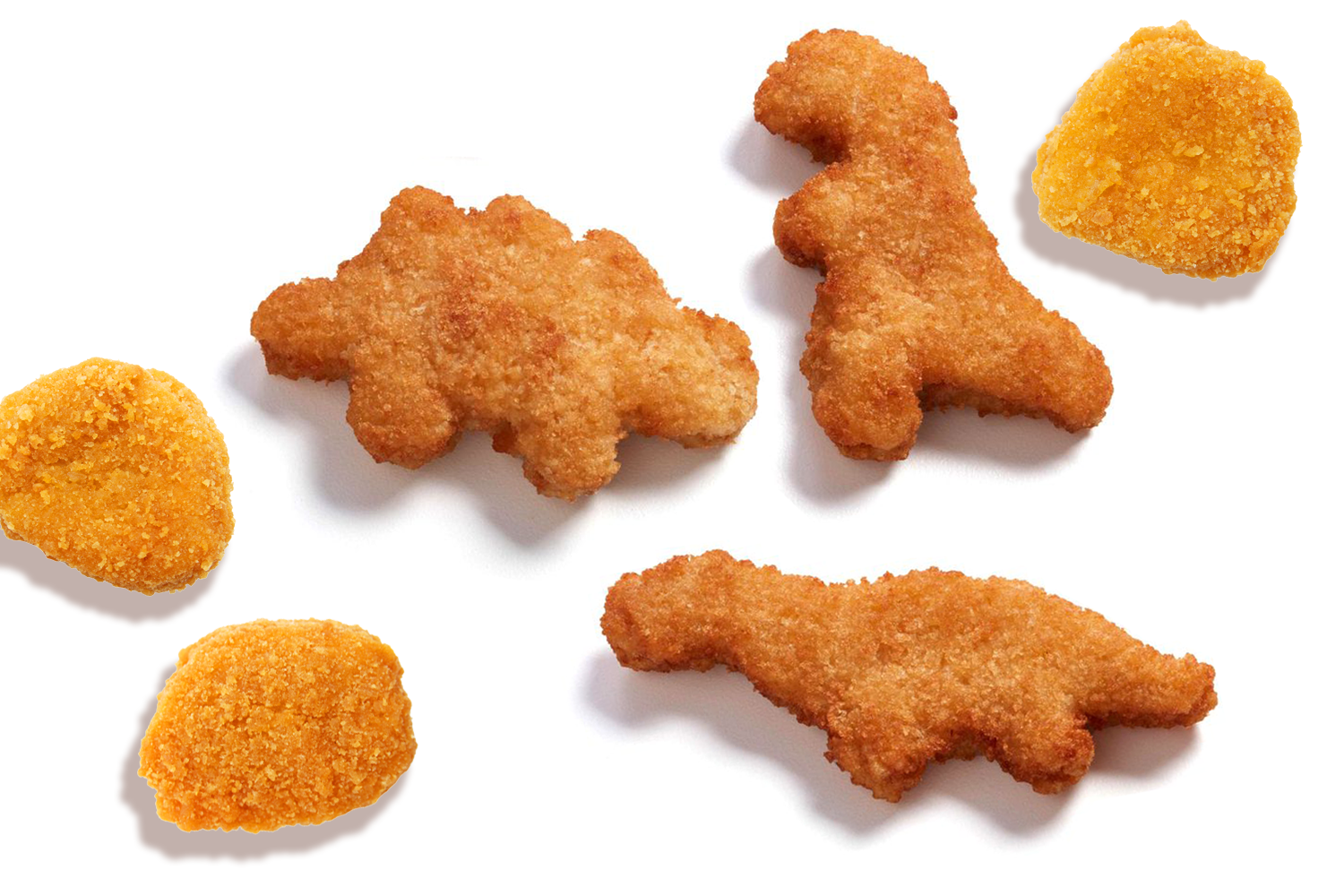
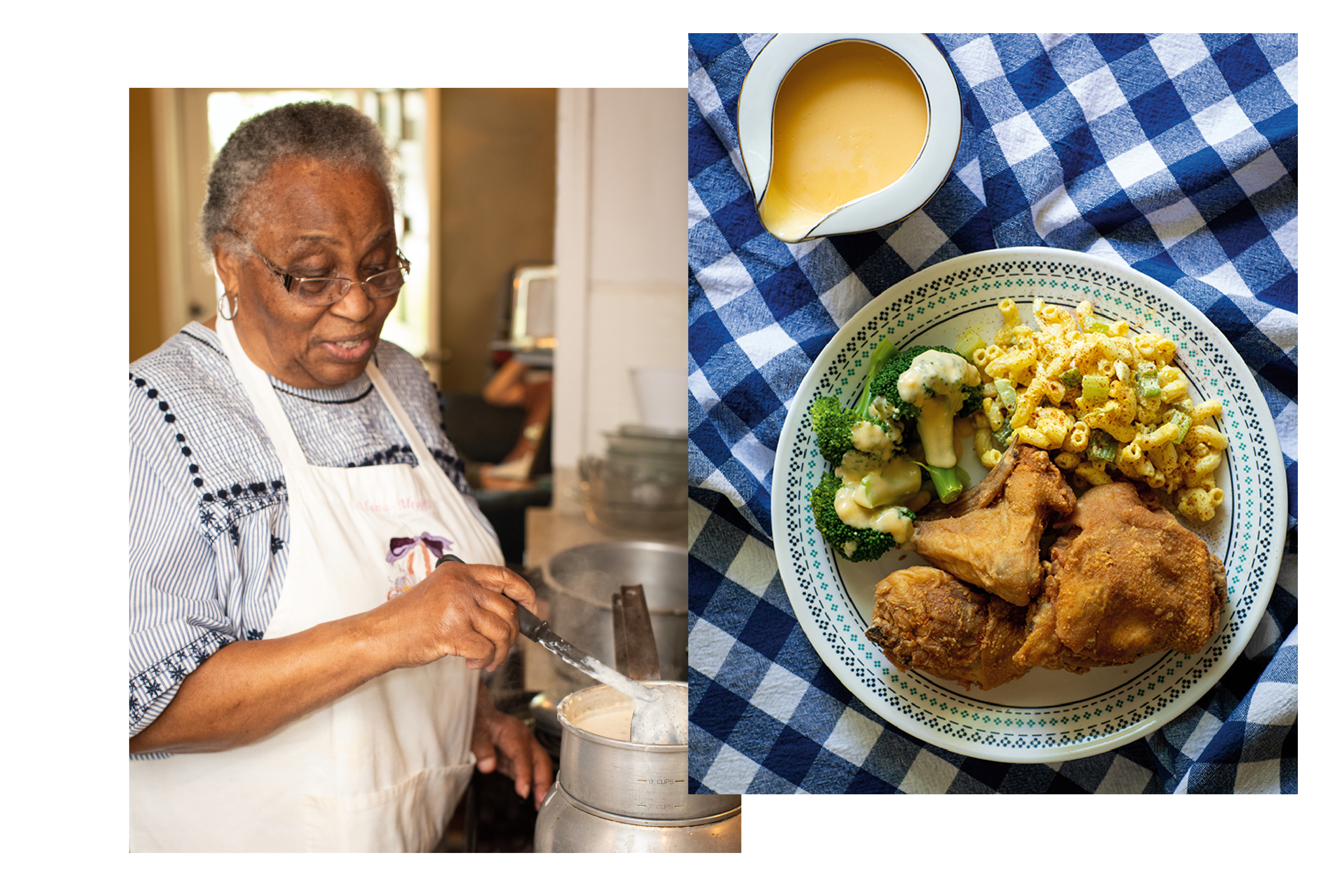
/cdn.vox-cdn.com/uploads/chorus_asset/file/23657722/Fried_Chicken_Landing_Page_Elements_19.png)

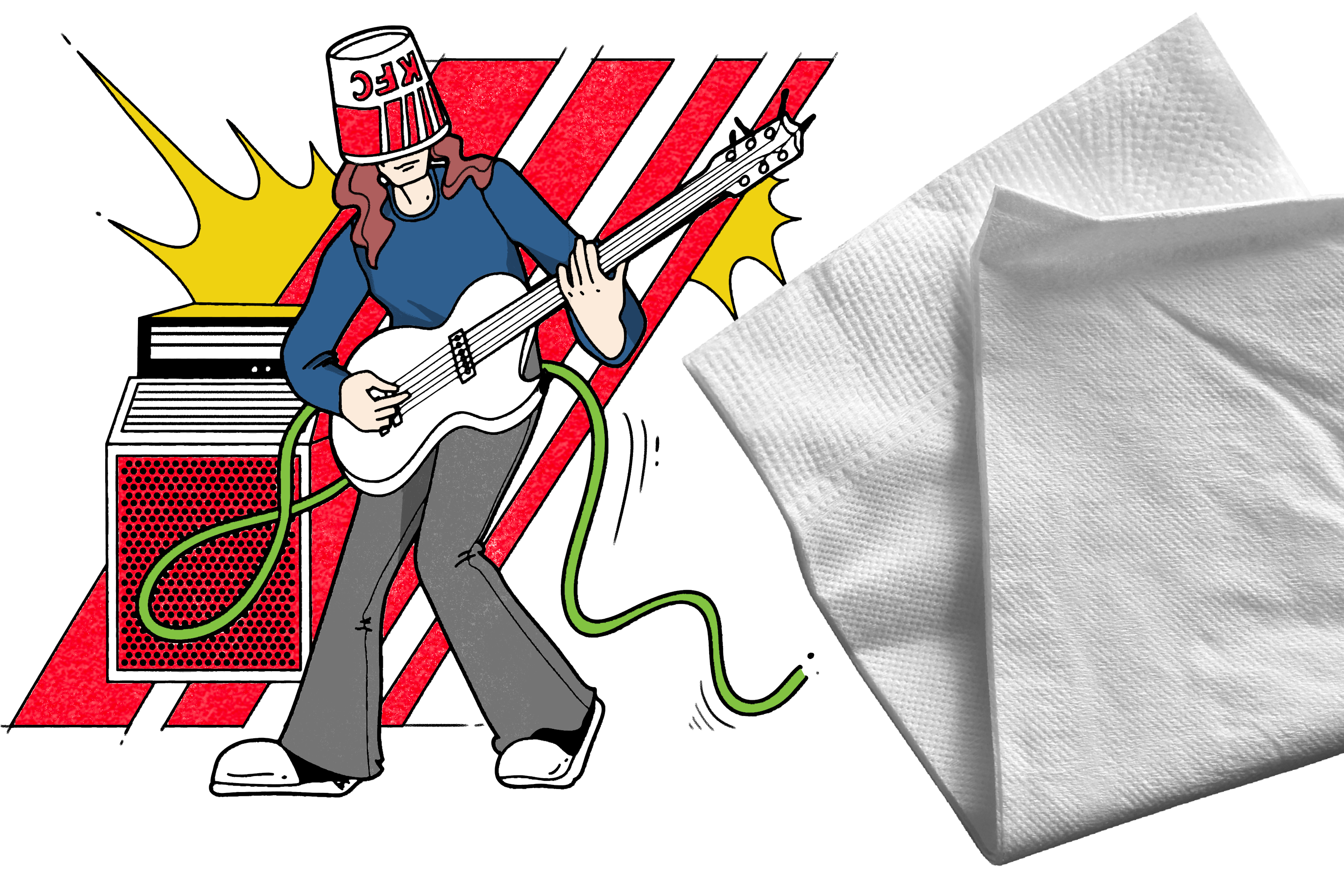

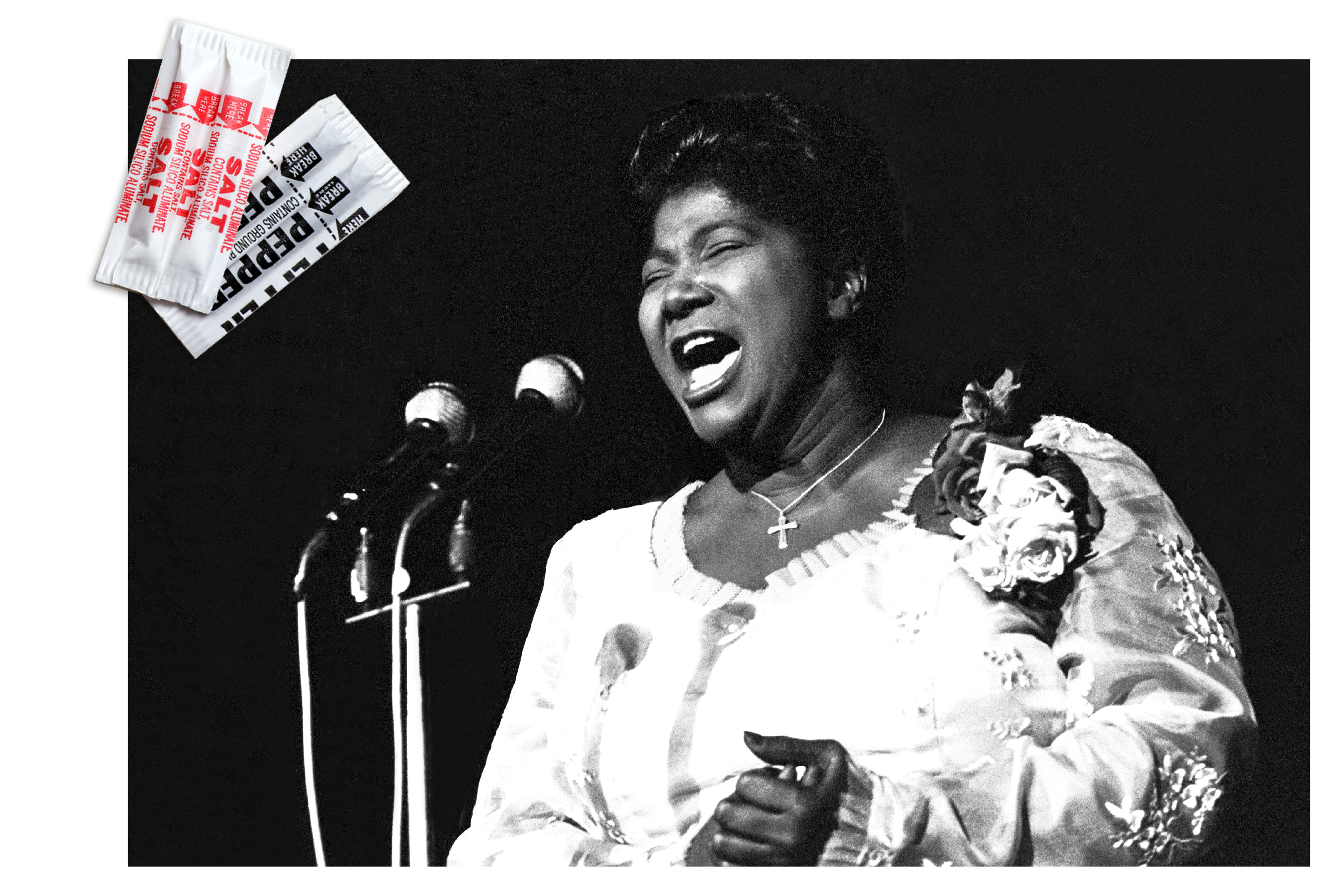
/cdn.vox-cdn.com/uploads/chorus_asset/file/23657724/Fried_Chicken_Landing_Page_Elements_20.png)
/cdn.vox-cdn.com/uploads/chorus_asset/file/23658323/Fried_Chicken_Landing_Page_Elements_14.png)

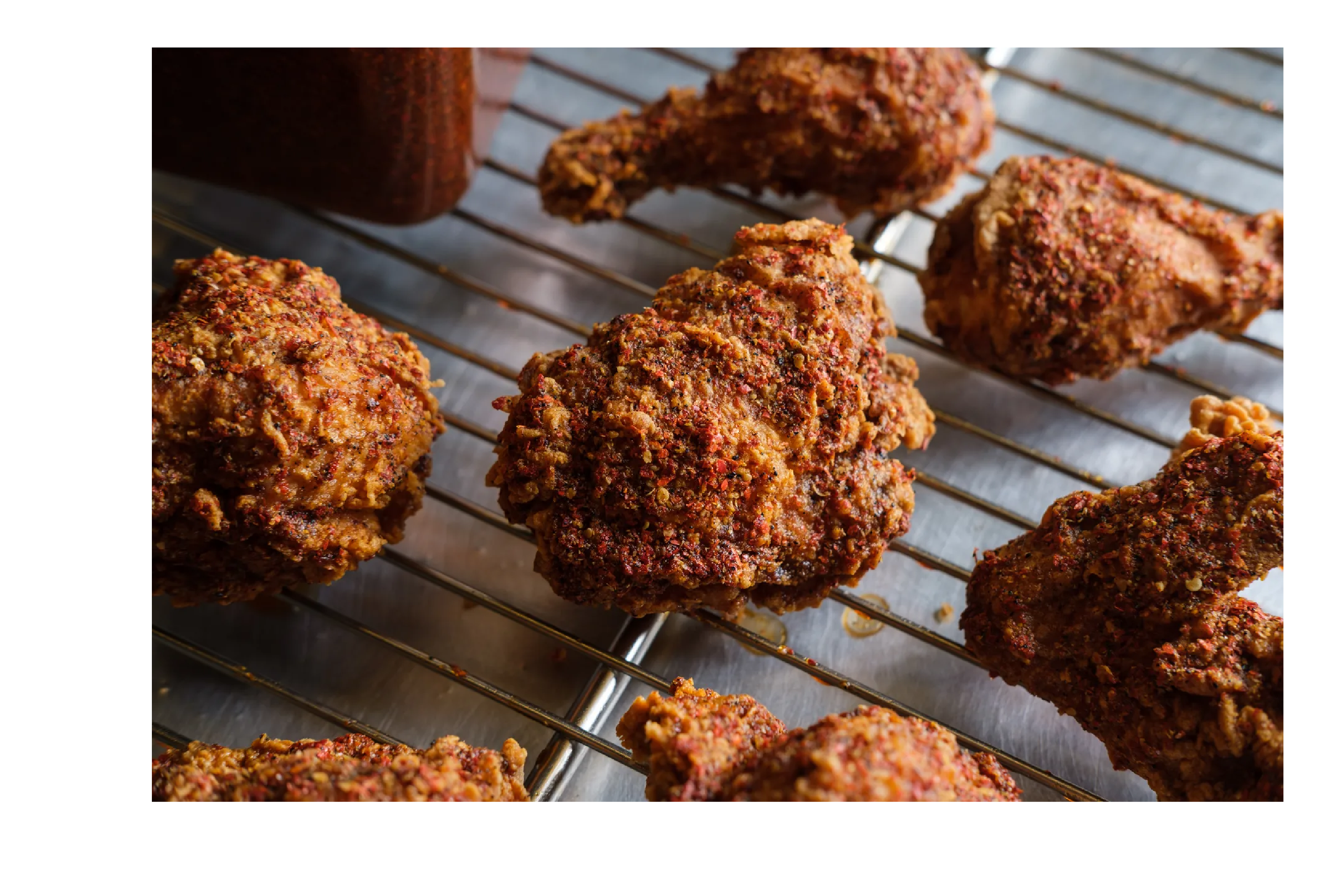
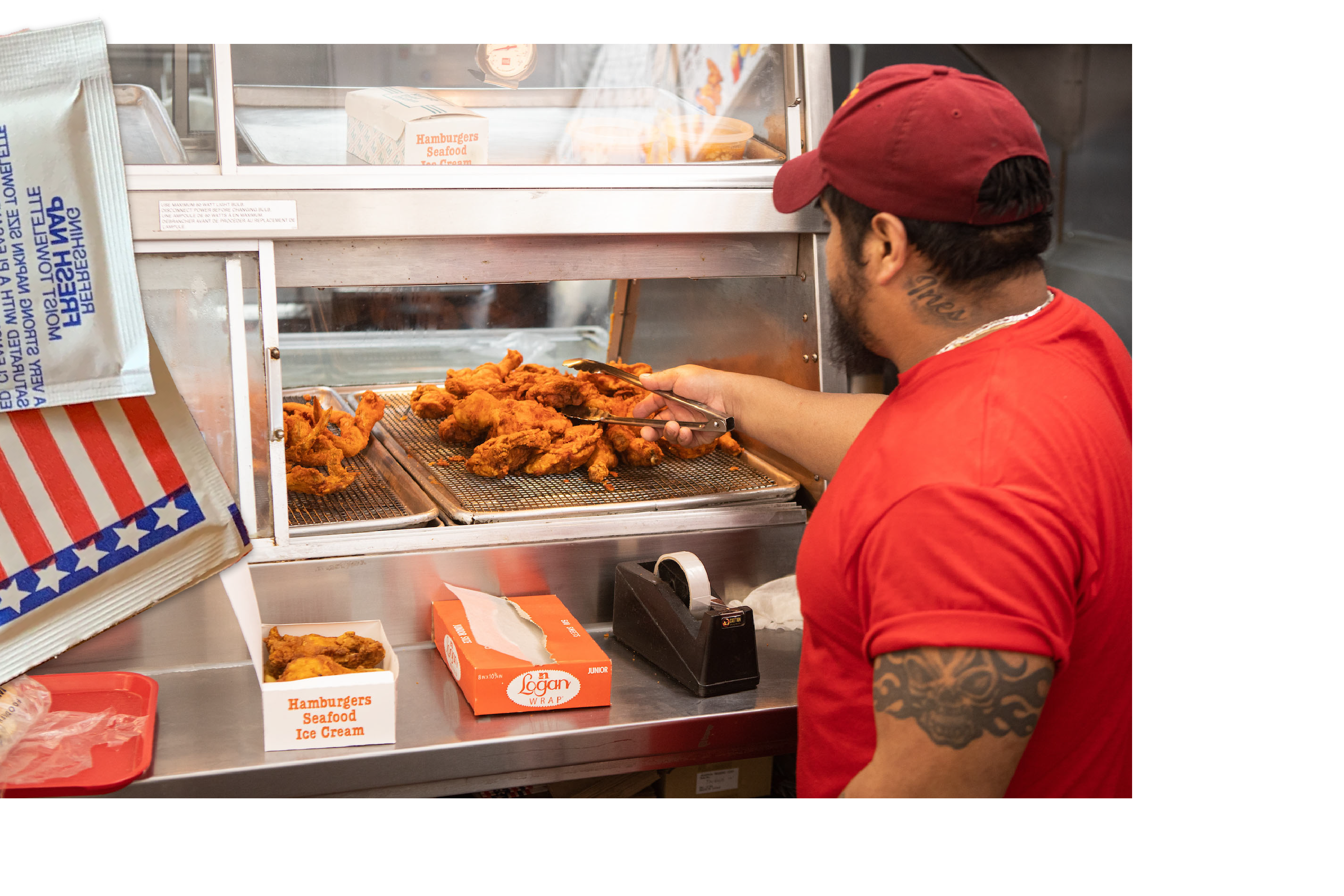
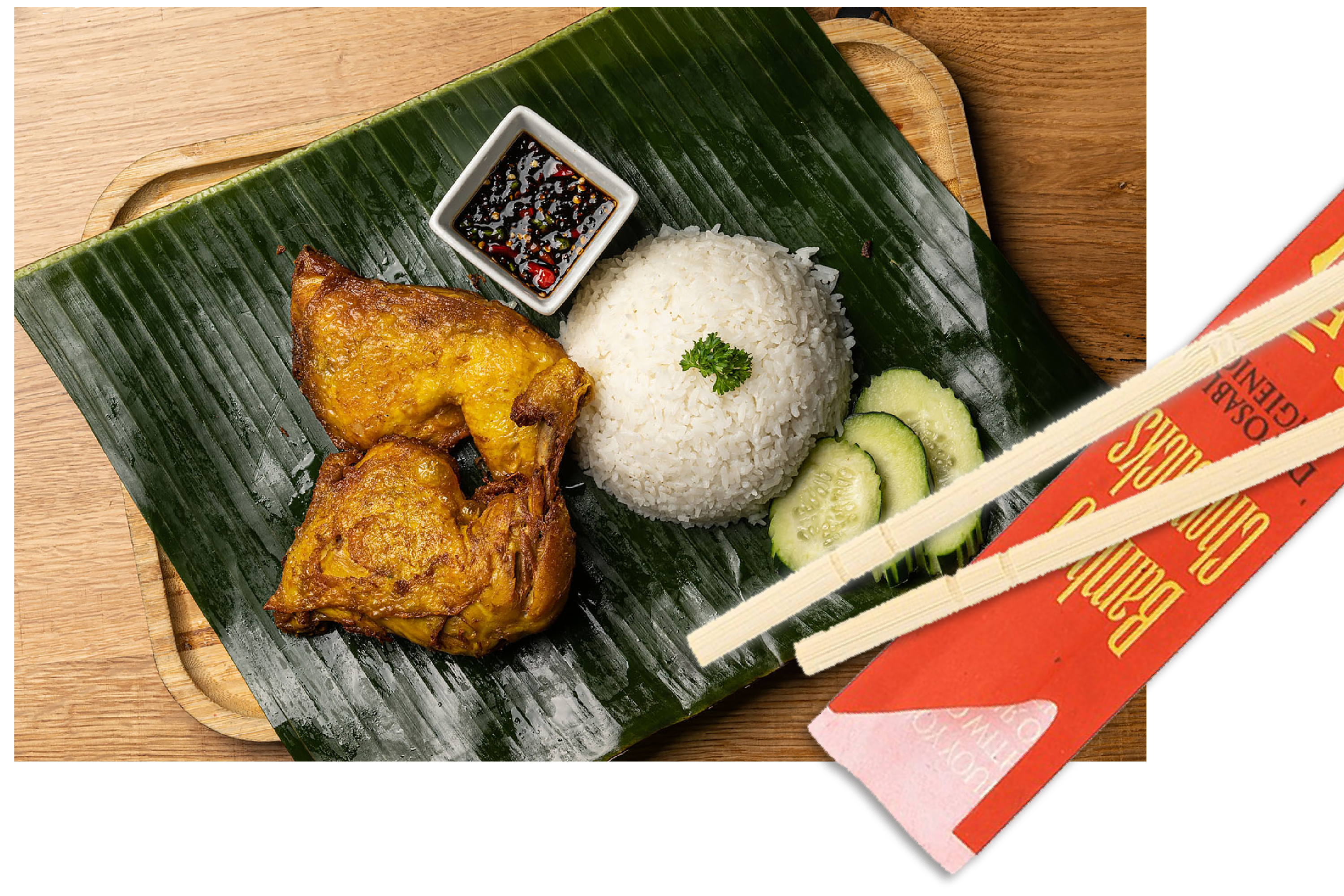
/cdn.vox-cdn.com/uploads/chorus_asset/file/23657731/Fried_Chicken_Landing_Page_Elements_22.png)
/cdn.vox-cdn.com/uploads/chorus_asset/file/23658321/Fried_Chicken_Landing_Page_Elements_15.png)
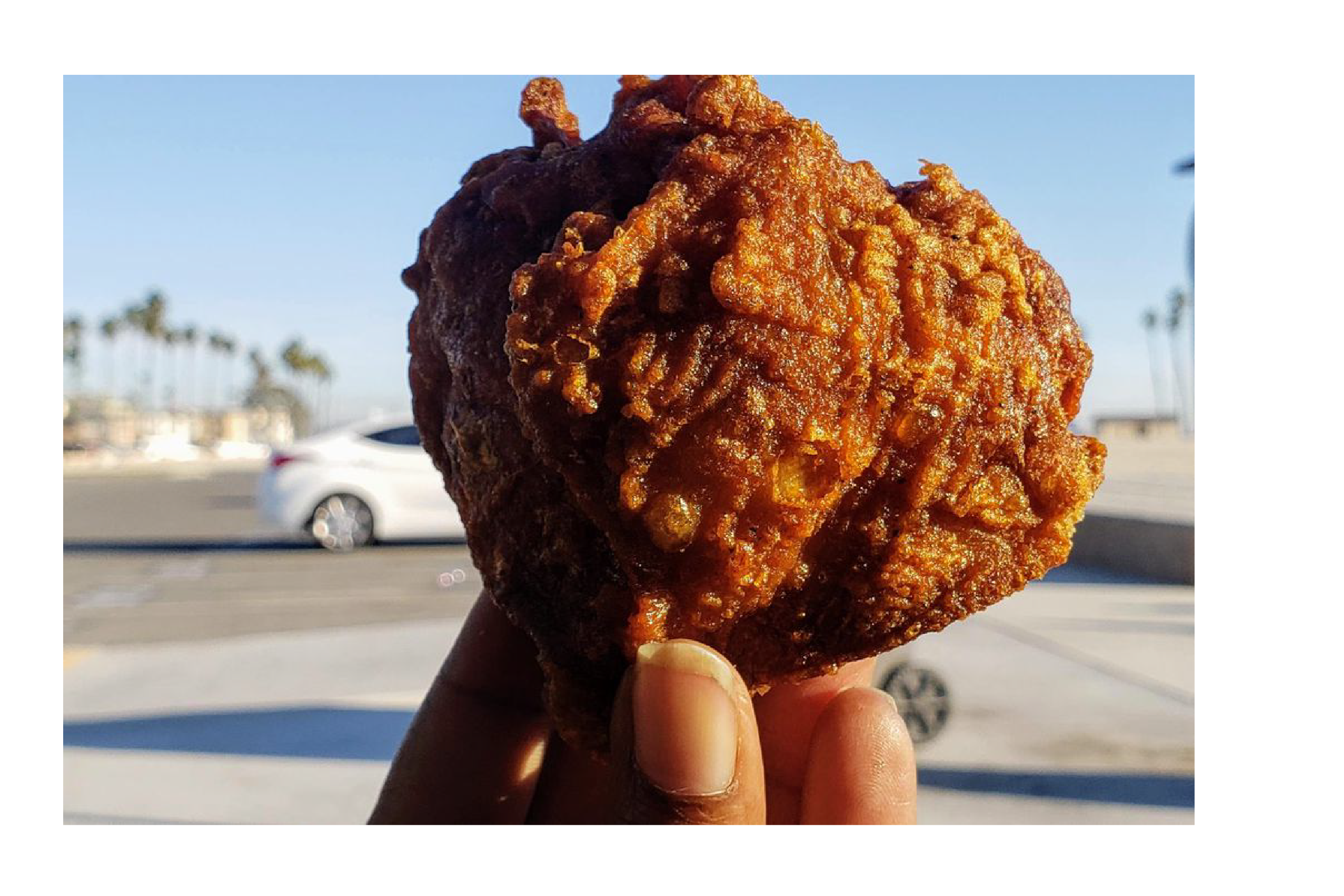

/cdn.vox-cdn.com/uploads/chorus_asset/file/23658296/Fried_Chicken_Landing_Page_Elements_21.png)























| You are subscribed to email updates from Eater - All. To stop receiving these emails, you may unsubscribe now. | Email delivery powered by Google |
| Google, 1600 Amphitheatre Parkway, Mountain View, CA 94043, United States | |


No comments:
Post a Comment