Habitusliving.com |
- In support of the local
- Creating a safe space
- Life imitates art
- Surfside curves
- Cohesive, confident, customisable: Step into the world of Markian’s rug collection
| Posted: 23 Feb 2022 10:59 PM PST 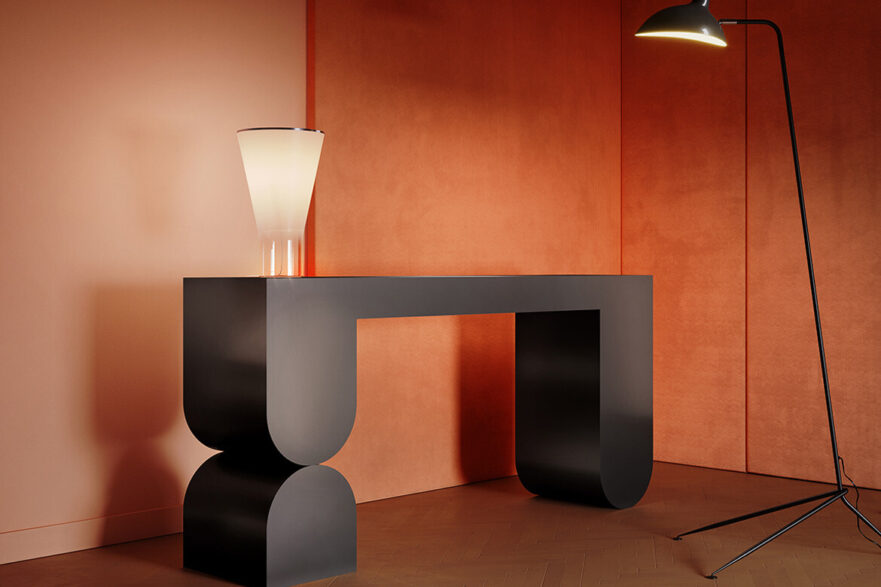 Already renowned for designing outstanding multi-residential architecture that responds to place and context, DKO has taken it one step further with Fitzroy Fitzroy. Positioned at 421 Smith Street, in the heart of the highly desirable and eclectic suburb of Fitzroy, the new nine-level apartment building is contextualised through curation of local furniture and lighting. Home to townhouses and apartments, with retail on ground floor that faces Smith Street, the collaboration with local makers is most apparent in the private, resident-only Smith Club. As a private amenity, exclusive to the residents, DKO's Interior Design Director Michael Drescher saw the space as an opportunity to take design cues from the creative culture embedded in the suburb. 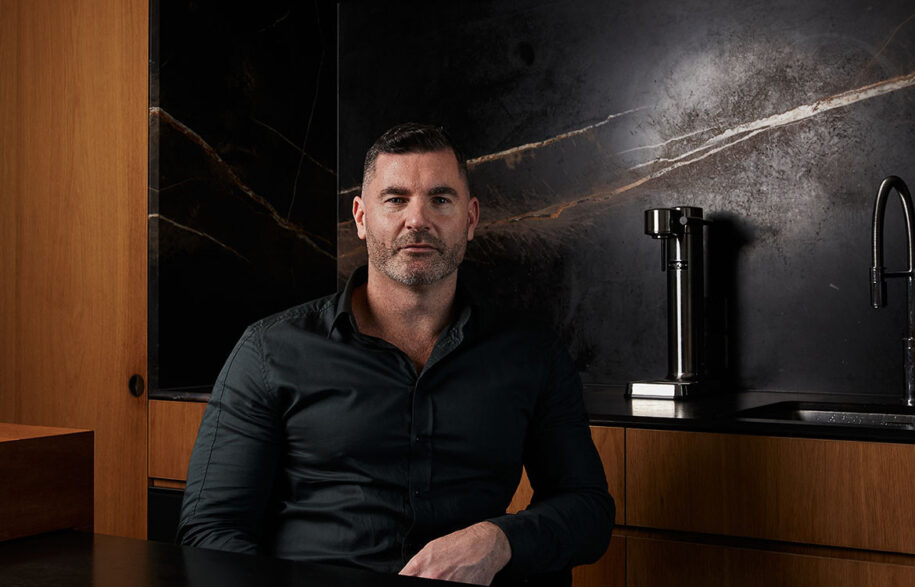 "For Fitzroy Fitzroy, the design ethos was driven by a response to the surrounding context. In particular, Smith Street and its eclectic mix of hospitality and retail offerings. For us, it was particularly important to expand on this character by showcasing the local creative culture. There are many creative and skilful individuals in Melbourne – not only do they push the boundaries on furniture design and production, but they also use their considerable expertise to create pieces known for their craftsmanship, strength and durability. By collaborating with local furniture makers, lighting designers and artisans, the spaces are rich with a sense of the local flavour," shares Drescher on the design approach. To bring layers of bespoke design quality, the Smith Club features a hand-picked selection of local design talent. The space will include lighting and armchairs from Jardan, furniture pieces from Grazia & Co including the Iva Stool, the Agent 86 curved sofa and a Reeno ottoman, alongside lighting from Rakumba. 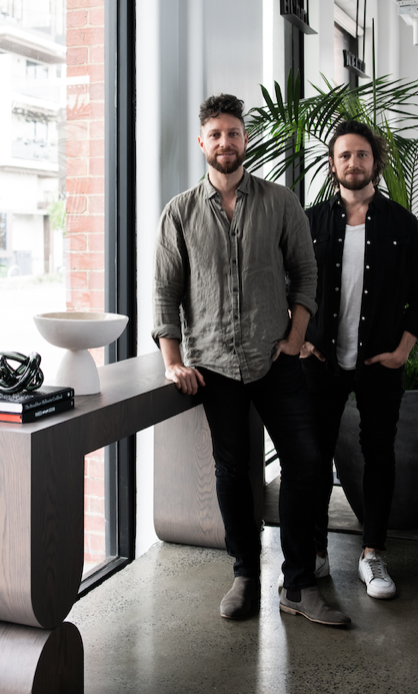 Joining this illustrious list is a standout console and coffee table by local furniture manufacturer Momu. Momu is a family-run business, originally founded by Richard Gasking, and now run by his sons Marcel and Lec Gasking. Momu's Angelo Console is "inspired by 70s furniture" and expresses a sculptural form. The three-dimensionality is part of the brand's approach to create pieces that marry form and function. 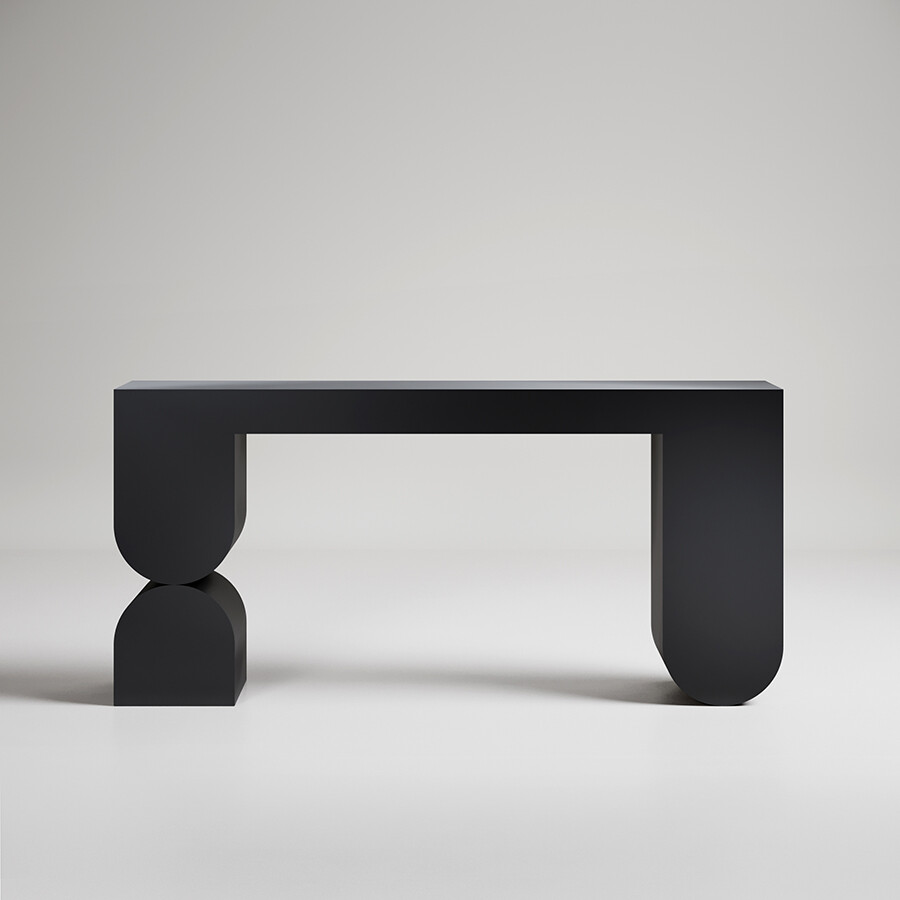 Both Drescher and the Gasking brothers agree that locally made furniture can have big impacts. "Building sustainably trickles down to every aspect of design and it's an important part of the DKO ethos. The carbon footprint from shipping furniture internationally is high and one of the main contributing factors to waste and expenditure of emissions. When you shop locally, things are made-to-order, so there is less waste, which also reduces unnecessary expenditures and emissions," says Drescher. On the trickle-down effects of buying Melbourne-made and designed furniture, Lec and Marcel add that it means, "Less carbon miles! Lower carbon footprint. More jobs for locals. Looking after your local economy. Using local suppliers. Knowing who you are buying from and enjoying the purchasing process. The list is long!" 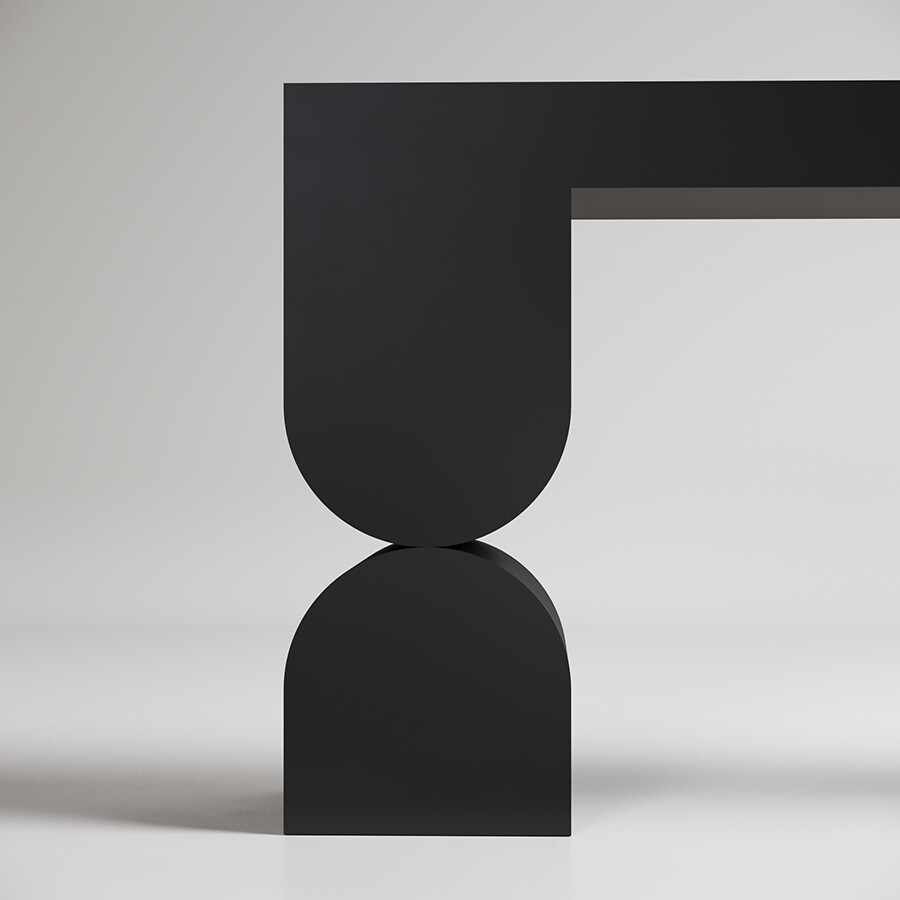 The display suite for the project is currently open, and Drescher confirms the tangibility and tactile nature of seeing the pieces in real life is an amazing drawcard, "In this digital age, it’s refreshing to be able to interact with an object or piece of furniture in real-time." DKO Momu We think you might like to read about Michael’s thoughts about kitchen design The post In support of the local appeared first on Habitusliving.com. |
| Posted: 23 Feb 2022 05:42 PM PST 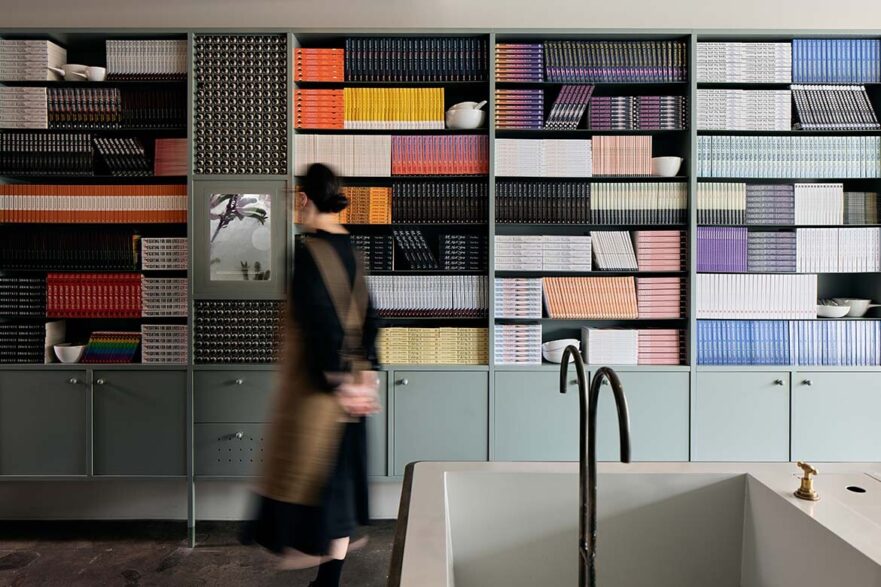 Aligning with Pride celebrations in both Sydney and Melbourne, Aesop has launched a Queer Library to elevate queer voices and promote diversity and acceptance. Following successful iterations in Canada, the UK, Taiwan and the US, Australia has now joined the fold. All product has been removed and the shelves are stocked with over 5,000 books from a range of over 60 unique LGBTQIA+ authors. The gesture sets out to raise awareness on queer issues while supporting marginalised voices. 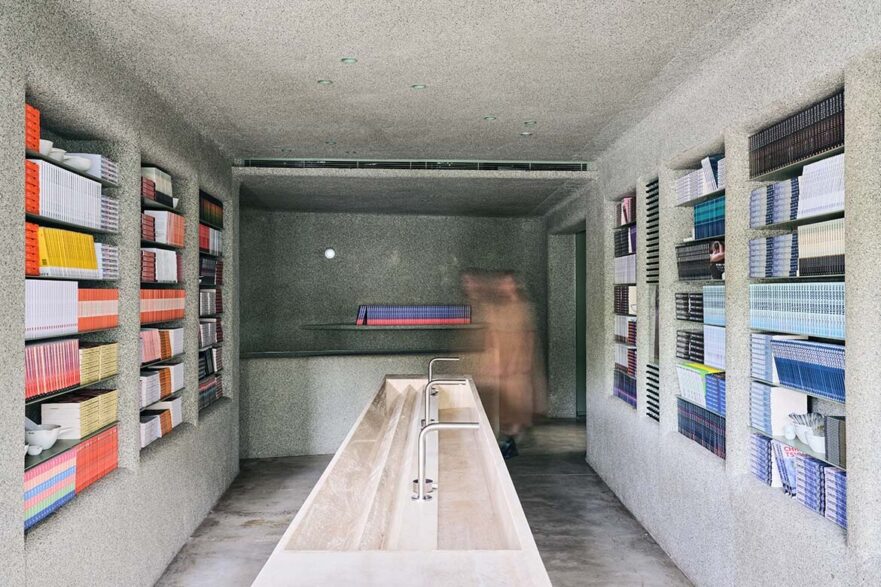 Melbourne's Fitzroy store was transformed into a temporary library at the beginning of February, and Sydney's Paddington store is currently playing host to a slew of tomes until Tuesday 1 March, where visitors are invited to pick up a complimentary book. The initiative aligns with Aesop's long-standing philanthropic ventures that support literature and writing, including a partnership with The Paris Review and the establishment of the Aesop Foundation. 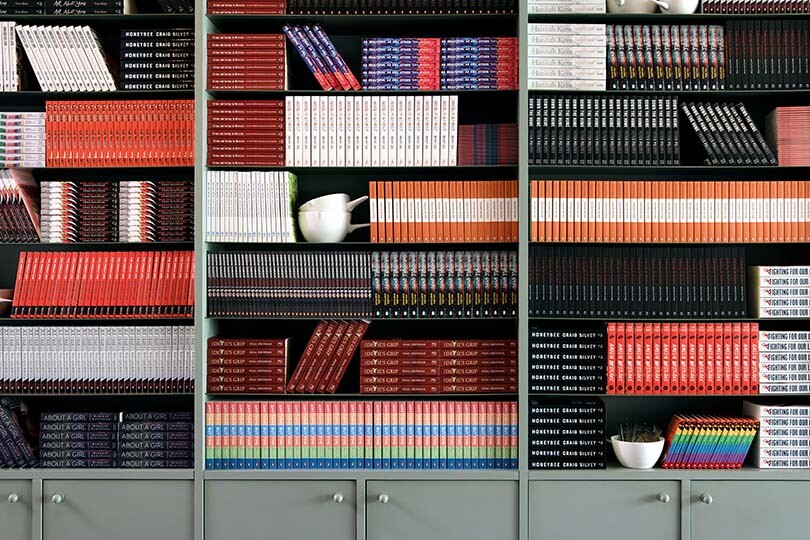 The Queer Library will continue this tradition with a particular emphasis on the varied experiences of the Queer community in Australia. Visitors can peruse fiction, non-fiction and poetry from a selection of authors including Benjamin Law, Indigenous author Gary Lonesborough and Jazz Money, a poet and filmmaker of Wiradjuri heritage. The Aesop Queer Library is an ephemeral activation that demonstrates the ability of literature to unite, liberate and empower. It's a truly safe space for people from all walks of life. 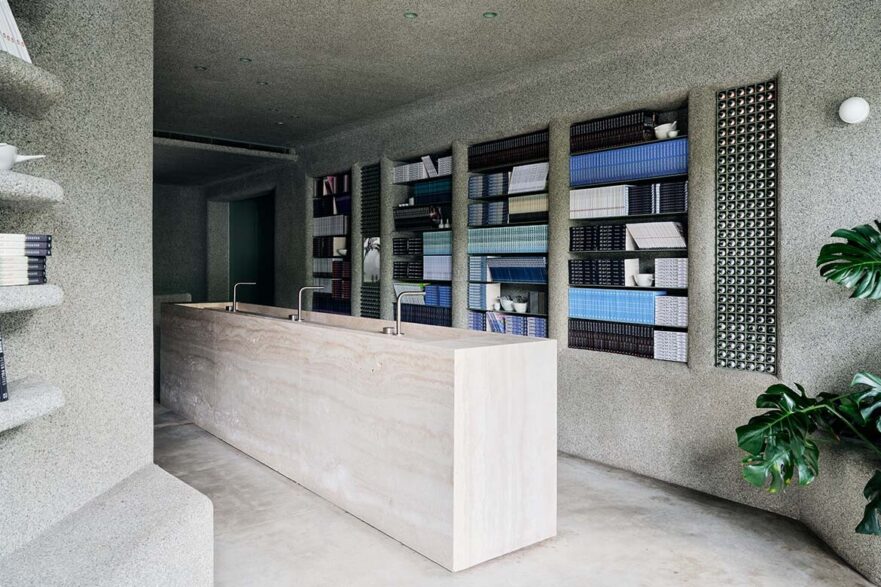 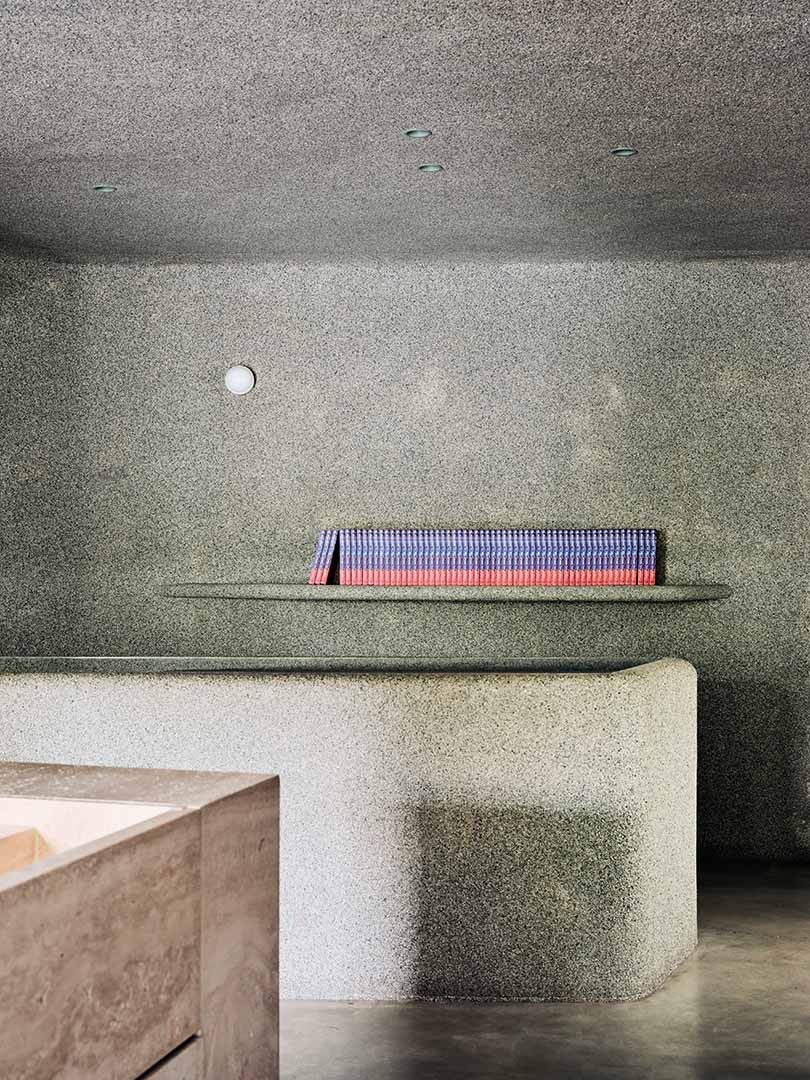 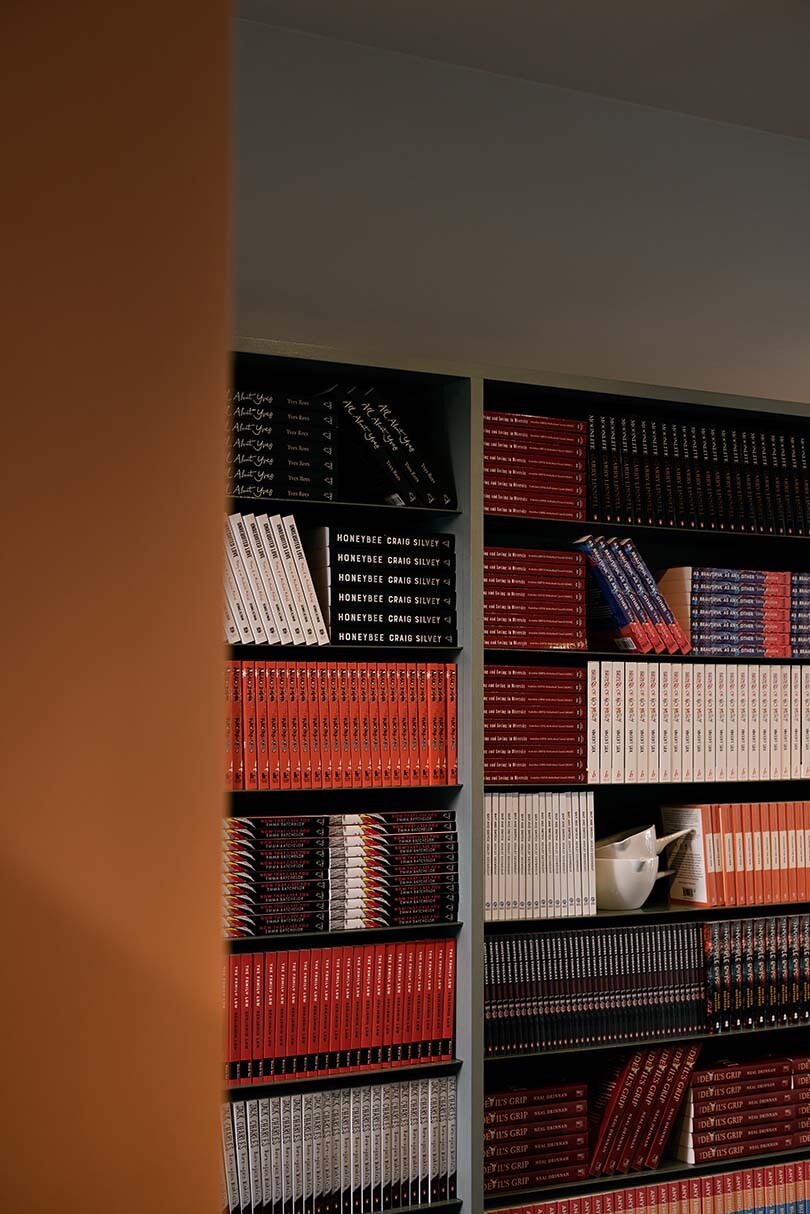 Aesop Sydney Queer Library runs at the Paddington store until Tuesday 1 March. Aesop The post Creating a safe space appeared first on Habitusliving.com. |
| Posted: 22 Feb 2022 05:45 PM PST 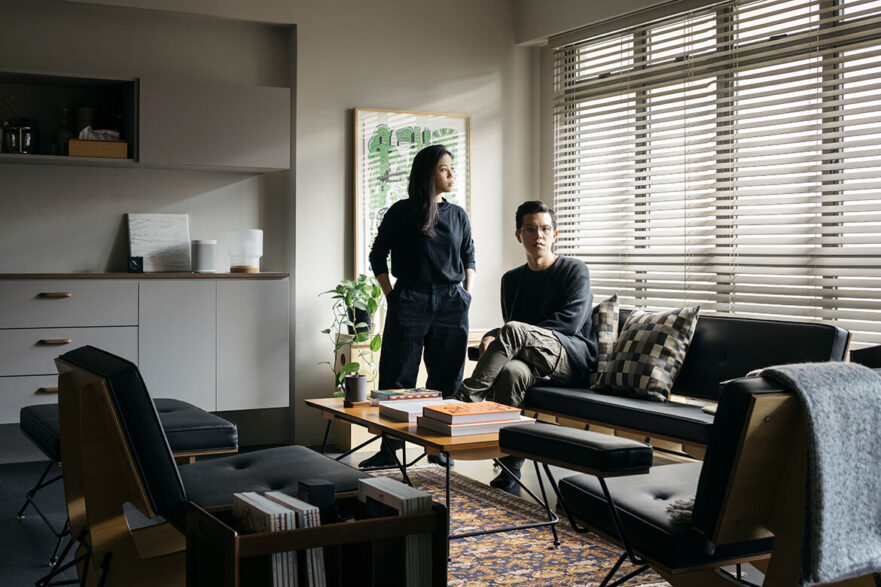 Stepping into Marc Tan and Amy Lim's studio I am struck by how toned down the light is. This is the same quality of light and mood that come through pictures of the couple's home, which seem unafraid of shade and shadow. Marc explains that this toned down setting is ideal for him to work. Light is very much controlled in the pictures Marc produces too. "I like things very specific," the photographer and director says. "I don't like the spill of orange lights especially on white floor or on marble so I get all the lights separately," he adds, explaining his process of capturing a scene with various light settings, before stacking multiple images into a composite. 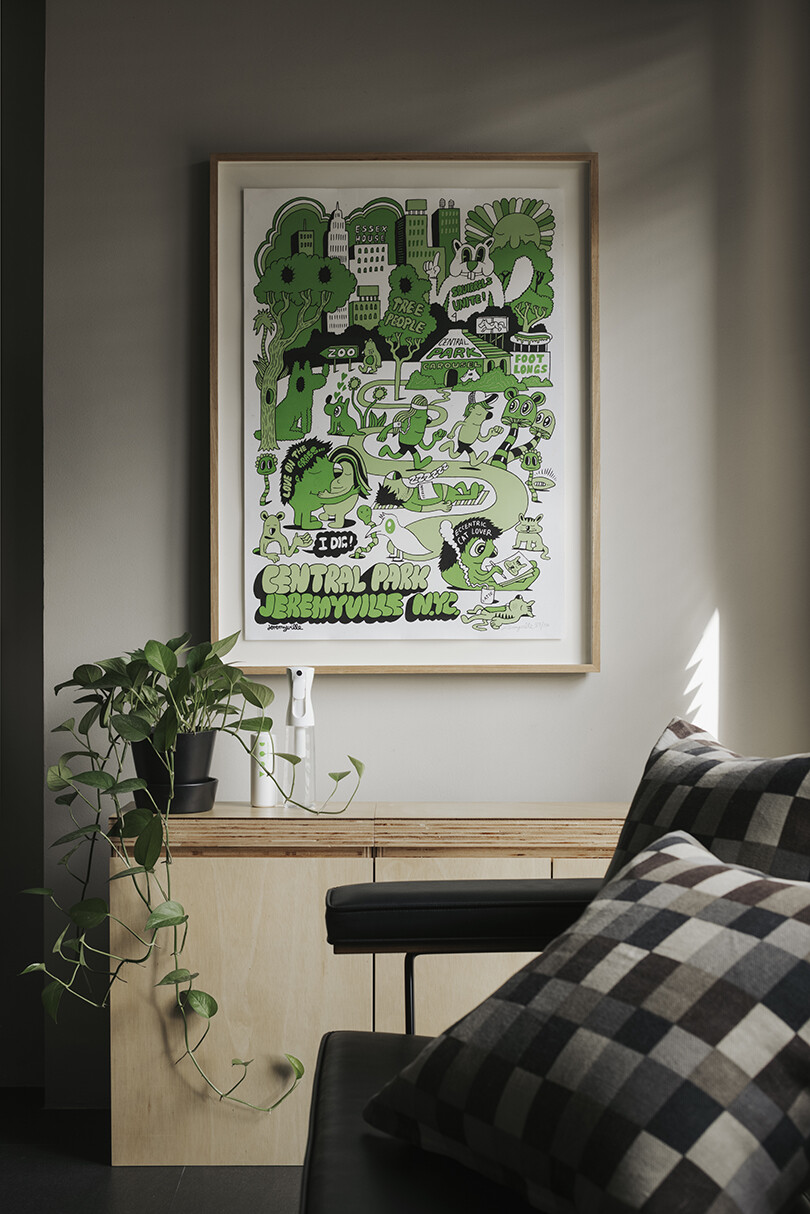 He does this post-processing work on an iMac in the studio, with an Objekto's Eclipse lamp whose form and resultant light are designed for its user to manipulate. Studio Periphery is located in a flatted factory in a light industrial park. Client meetings, model casting and small-scale studio shoots happen here. The 1000-square-foot studio also accommodates the larger part of Marc and Amy's growing collection of furniture, books, and objects that can no longer be contained at home; finding a new spot to be enjoyed. 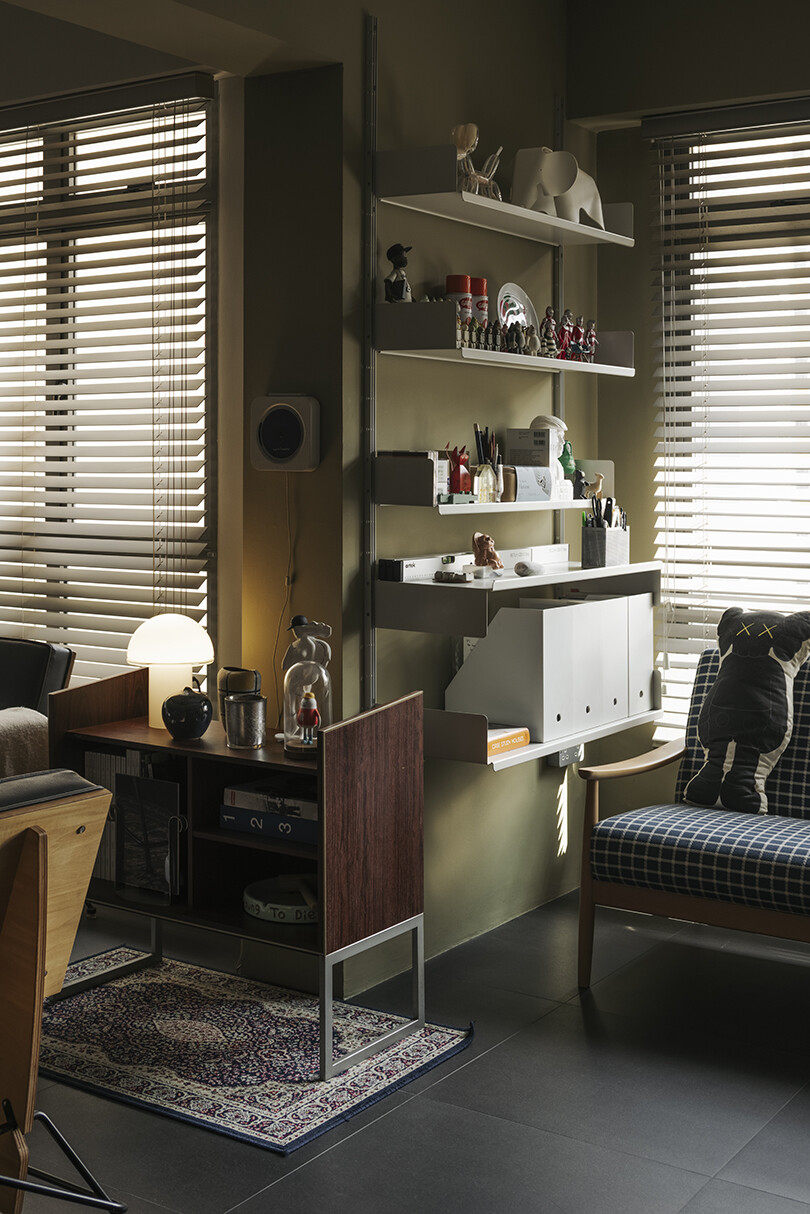 The couple moved into their first apartment five years ago. "It was important for us to get the foundation of the space right – your floors, bathroom, kitchen," says Amy, who runs interior studio Pupil Office on top of acting as Periphery's managing director. "Everything else is acquisition over time. We added the dining and the storage cabinets a year or two later after moving in. Over time we added more furniture." 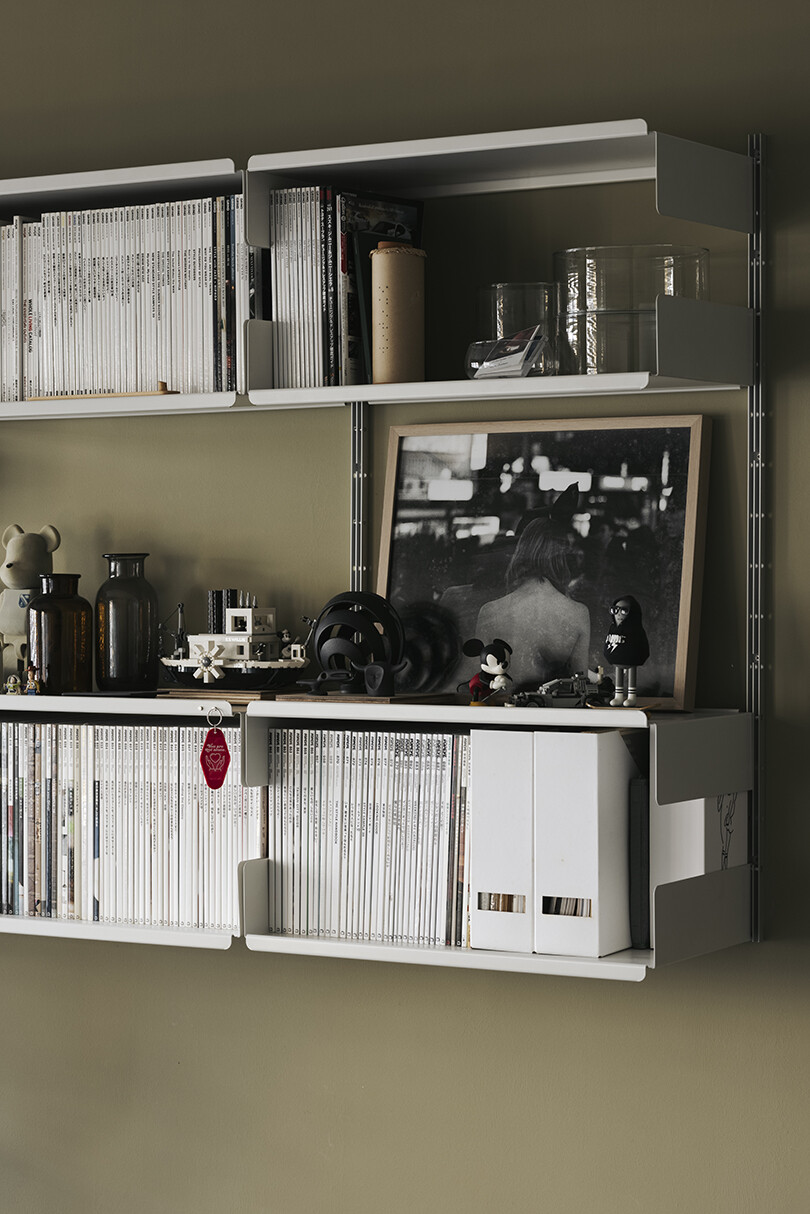 They have amassed a collection, consisting of pieces from &tradition, Artek, Emeco, Herman Miller, Karimoku, Kartell, Modernica, Vitsoe, Vitra, and Yamagiwa, as well as collector's items – an Afghan war rug at home, and toys from Kaws, Medicom, James Jarvis' Amos, and Sticky Monster Lab. "I think the idea with our spaces and the way we want to live is to avoid being boxed in to a singular mindset or style," Marc says. "There shouldn't be any musical, aesthetic or trend-abiding theme. We keep things diverse without any direct references, whether it's the music we play at home and in the studio, the furniture we mix into the spaces, the clothing we wear, and the work we put out." 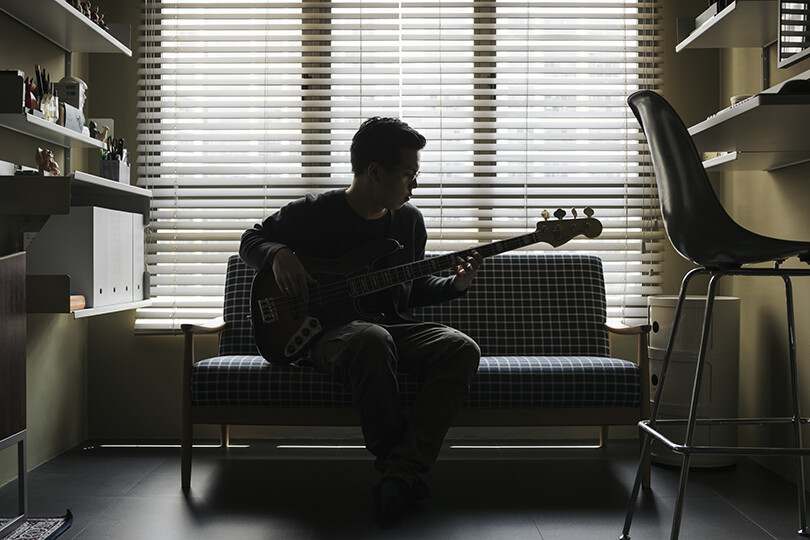 "And things have changed many, many times," Amy adds. "Things have come and gone." Their use of three modular systems at home – Vitsoe 606 Universal Shelving System, String System, and Muji Stainless Unit Shelf Set – shows how the couple appreciates keeping things flexible and adaptable, and under control. "The goal is not to waste," Marc says, describing their consumption of design – how they come to own but also let go of things. The couple picked up their four Artek stools from Junkie's Corner – a train-station sized junkyard store of treasure and trash. 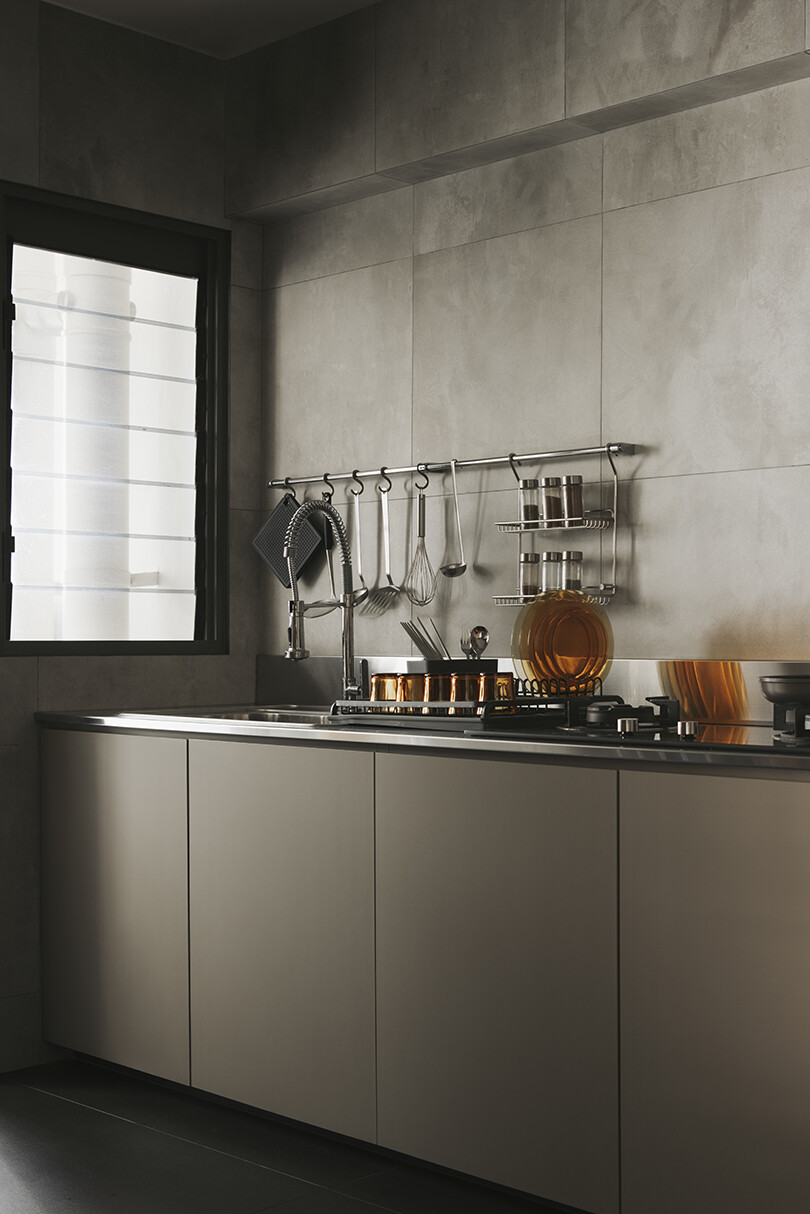 "We got word that they had 20 or so of these Artek chairs and stools. We just went in there and searched," Marc says. "And their condition was horrible," Amy adds, sharing how they spent a whole week cleaning the stools. But home is not only about filling a space with nice objects, just as pictures Periphery produces are not just about showing things. "It is how an image makes you feel," Marc says. The approach has resonated with Periphery's best-in-class clients like Aesop, Fritz Hansen, Capella, Kimpton Hotels and practices like Adjaye Associates and Studio Milou. Commissions are keeping the couple's schedule full these days, with work often stretching into the wee hours and into weekends too. "We work all the time," Amy says. 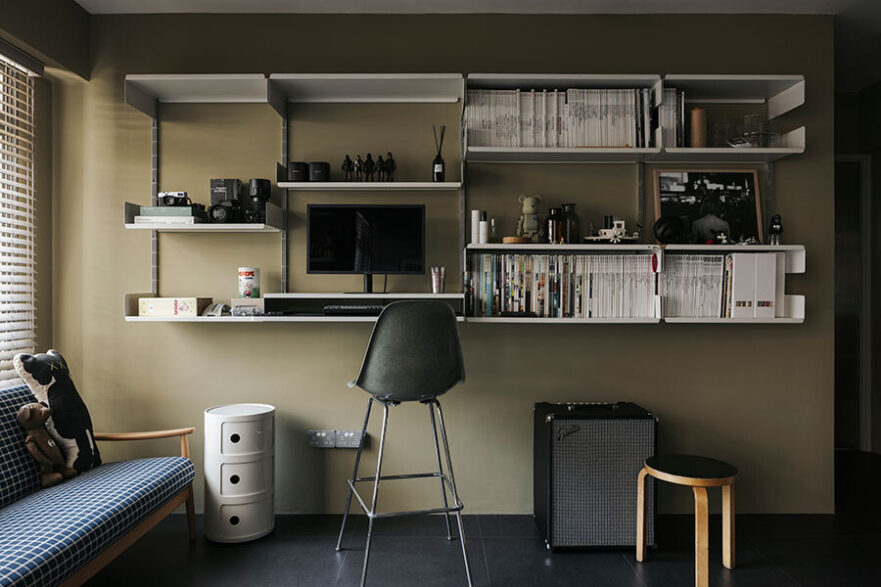 "He ends up working at the Vitsoe when we get back and I'll be working at the dining table. That's how we spend our evenings, to maybe about 2am." The couple is apartment hunting again, and have been looking at older builds with larger floor areas. "We hope to find an interesting and open layout, and it would be a bonus to have fifty or less neighbours," Marc says. "An apartment constructed of bricks with a balcony we can fill with the plants we currently have outside would be nice too." 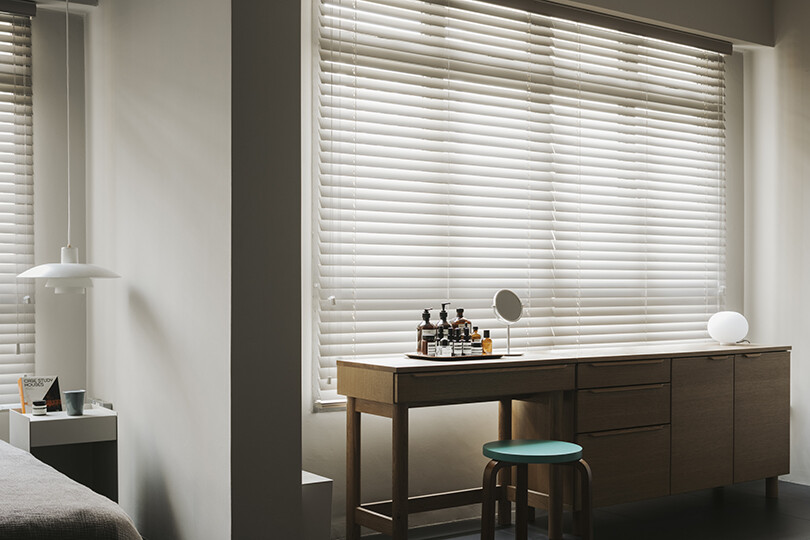 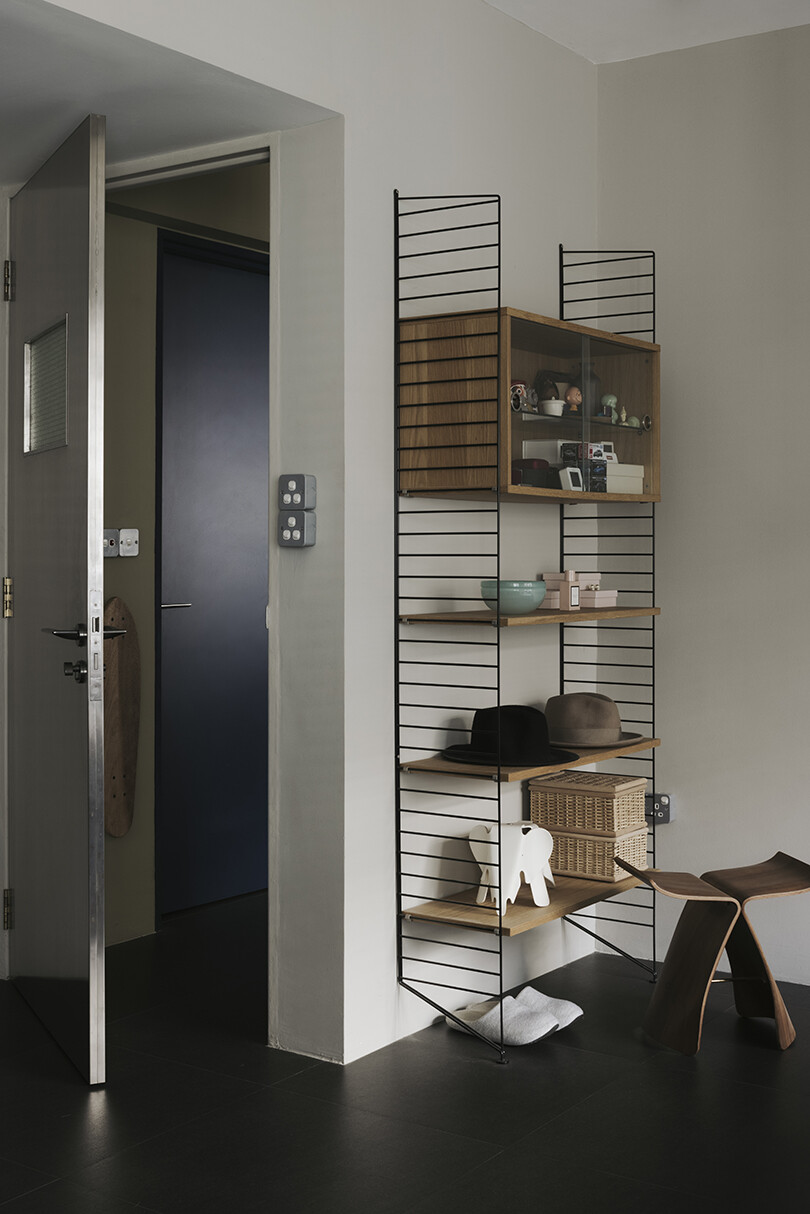 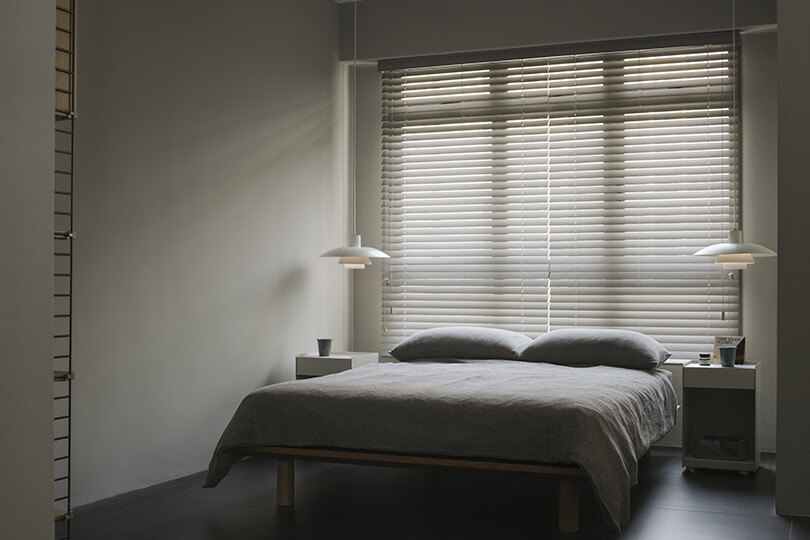 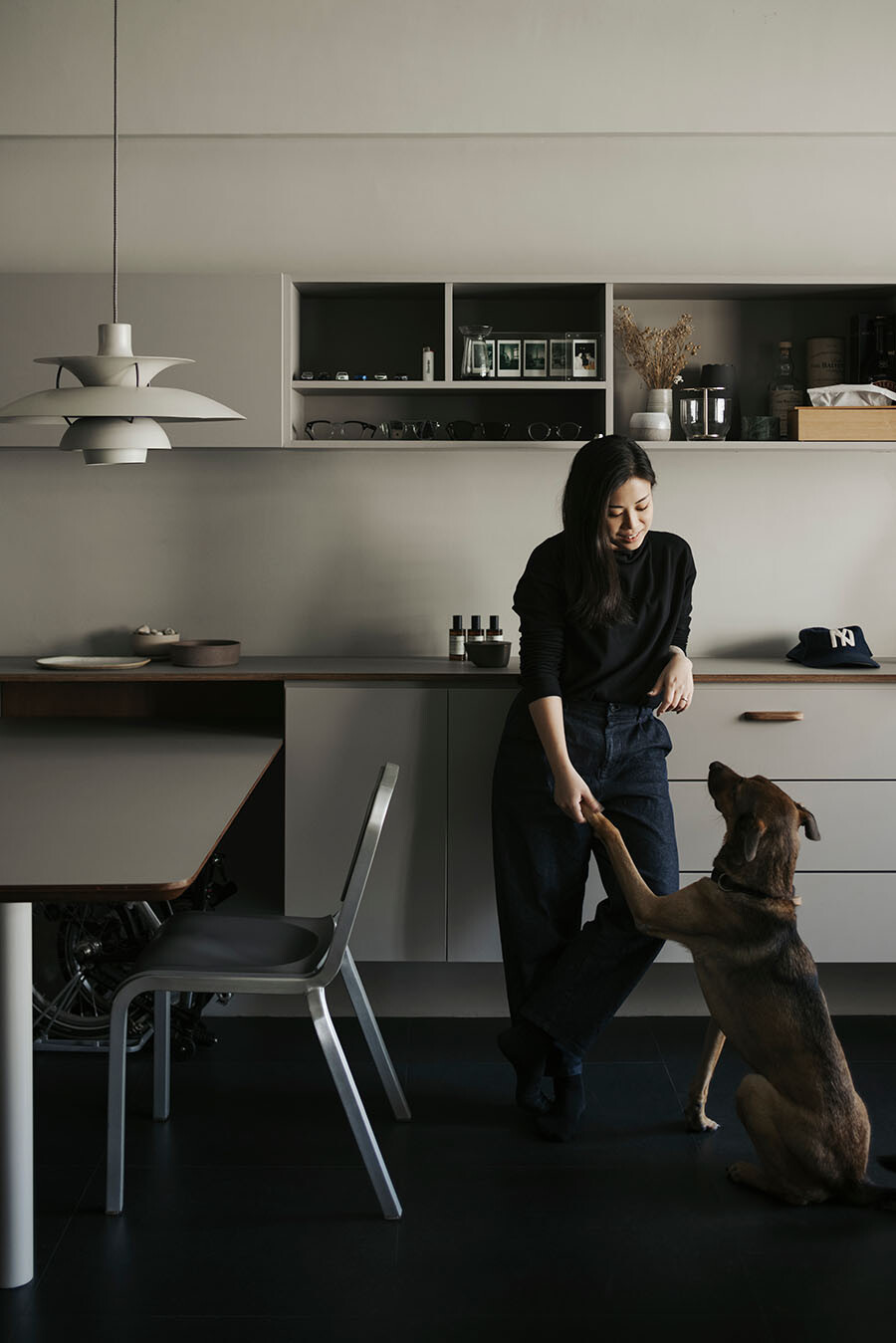 Studio Periphery Pupil Office This article originally appeared in issue #51 of Habitus magazine. We think you might enjoy this project, photographed by Studio Periphery and designed by EL-TEL. The post Life imitates art appeared first on Habitusliving.com. |
| Posted: 22 Feb 2022 03:55 PM PST 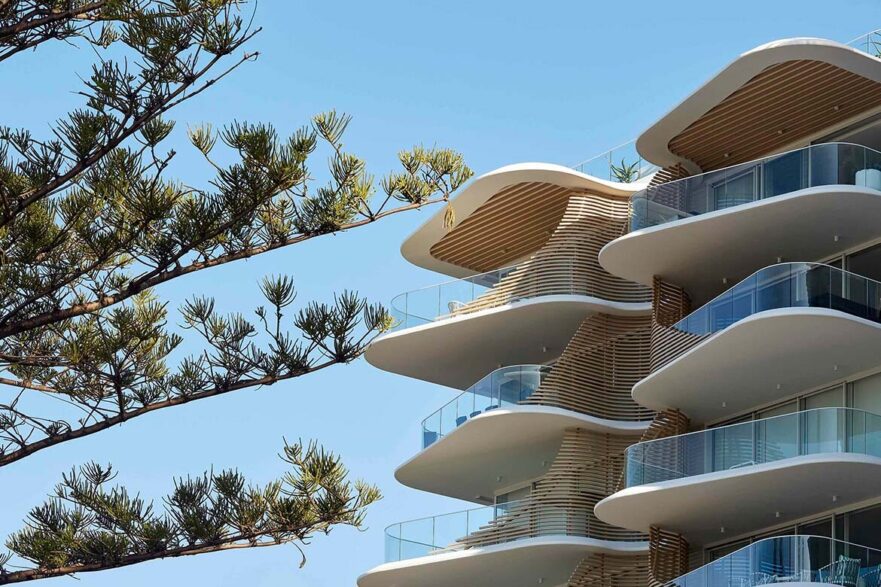 Named after the established 30-metre-high Norfolk pines, this new apartment development at Burleigh Heads, by Koichi Takada Architects acts, as a beacon for locals as well as those travelling from interstate and overseas. Commissioned by developer David Calvisi of FORME and awarded to the architects through a limited competition, the building's organic-shaped form not only loosely references the pine trees, but the surf culture that gravitates to Burleigh Heads (a short drive from the Gold Coast).  A couple walking past Norfolk carrying their surfboards also evokes the building's form and lifestyle for residents living here. "The height of Norfolk directly aligns to these pine trees," says architect Koichi Takada, principal of the practice. Spread over nine levels, with the top-level recessed, the 15 spacious apartments, including two two-level penthouses, responds not only to these established trees, but also the expansive blue ocean that unfolds before it. 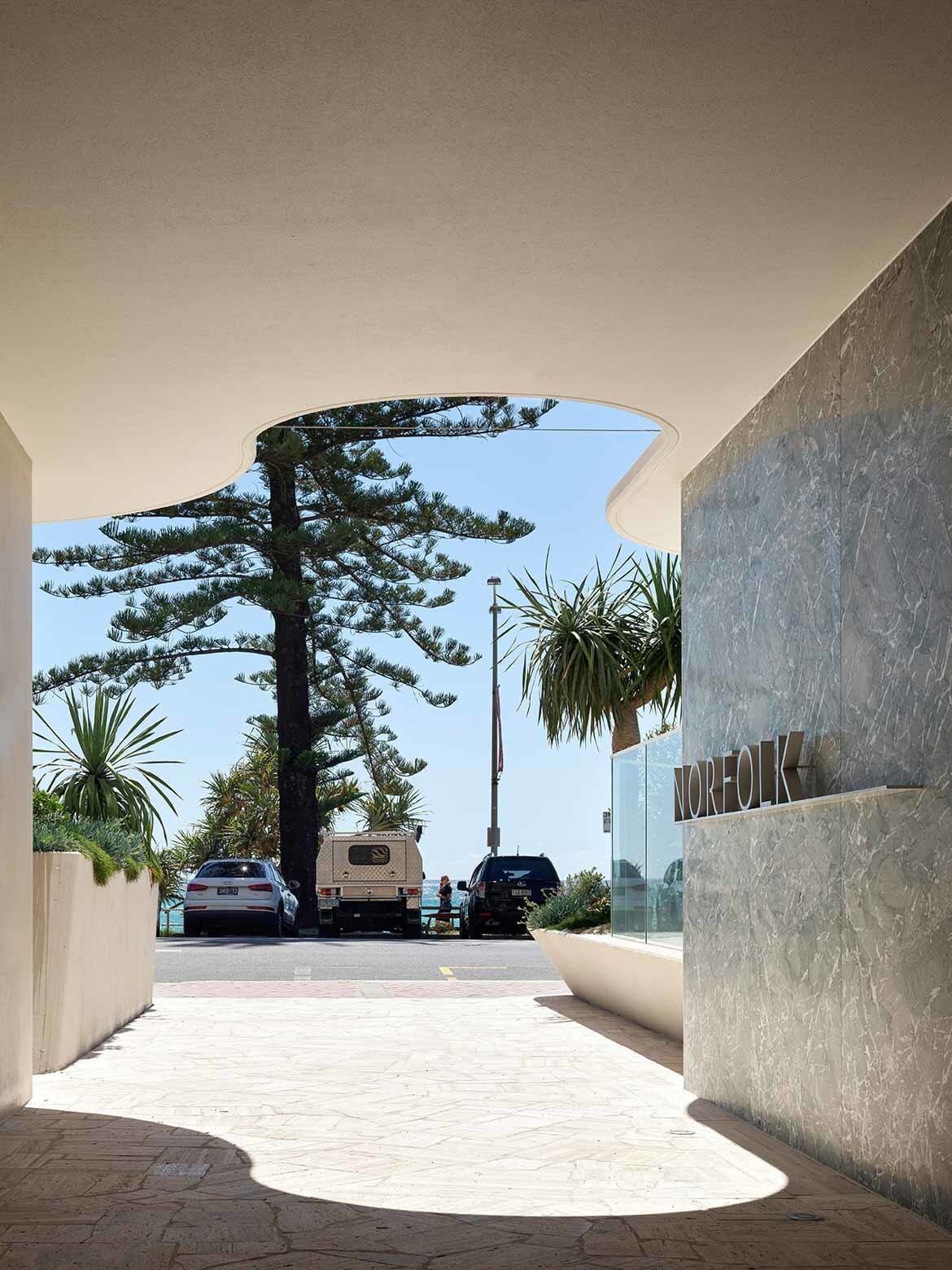 "It's a unique location, acting as a 'bookend' to the development of the Gold Coast, viewed in the distance," says Takada, who was keen to create an emotional response for those fortunate residents living at Norfolk. They can not only enjoy the generosity of the floor plans but also the communal facilities at Norfolk, including the gymnasium and pool. Unlike most of the other high-rise developments at Burleigh Heads, Norfolk is fluid and organic in its form, with the building's extended concrete eaves appearing branch-like.  The core of this form, embedded with aluminium battens that resemble timber, have a trunk-like quality. These battens, some of which take the form of operable screens, allow for diffused light as well as for privacy. With two apartments per level varying in size from 200 to 250 square metres in area, each apartment features generous sliding glass doors to terraces that benefit from the coastal breezes. As with Koichi Takada Architects inspiration from nature, the interiors by MIM Design are textured, with oak timber floors and natural finishes throughout the apartments. 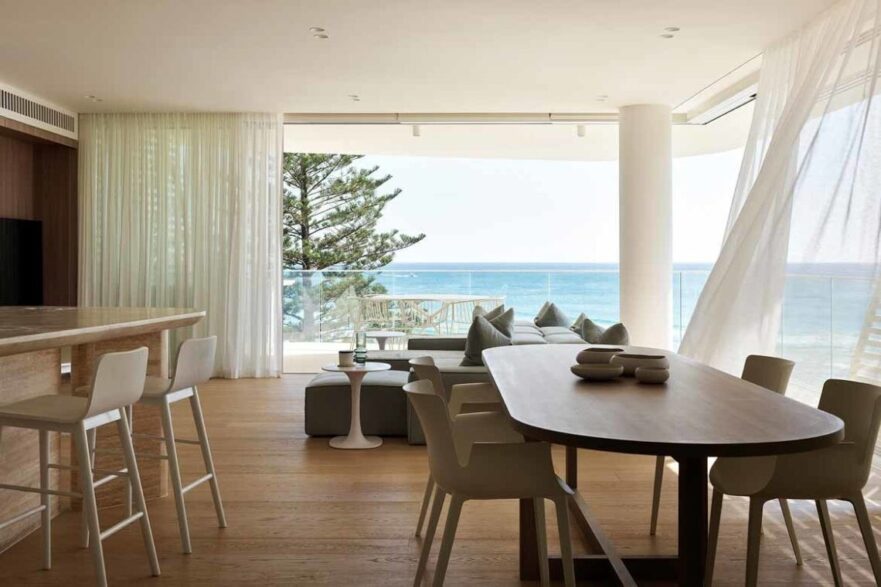 "When you open all the doors to the terraces, you have that feeling of being outside, one with the elements," says Takada, who enjoys seeing the way residents change the placement of the external screens depending on the time of day and the amount of sun. "The facades are continually animated, not dissimilar to the way nature performs," he adds. 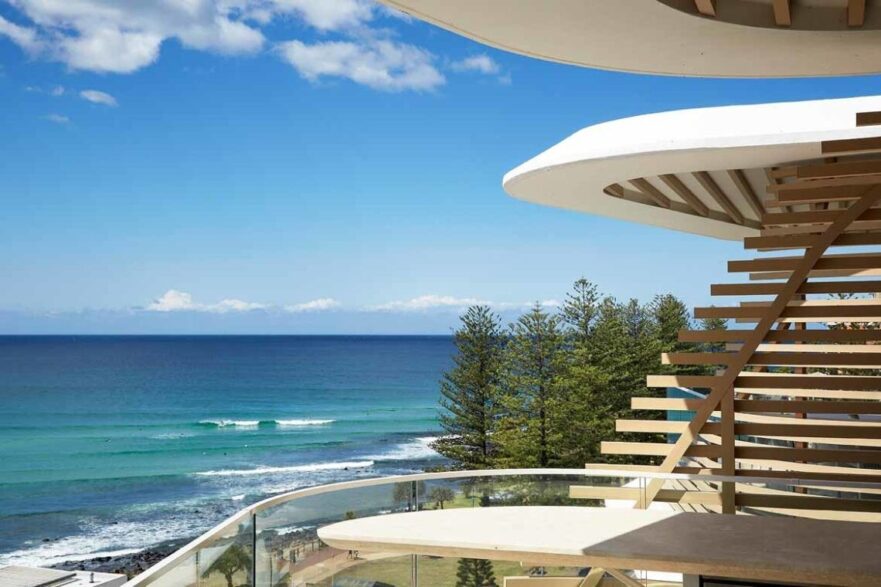 These apartments, unlike many of the rectilinear apartment blocks nearby, certainly don't give the sense of the 'suit brigade' living here. In this sub-tropical climate, residents coming and going through the curvaceous porte cochere, are more likely to be wearing shorts and thongs.  And while some might be heading off to the beach with their surfboards, others will simply enjoy the wonderful cross ventilation and the smell of salt air that's an integral part of the Burleigh Heads lifestyle. "David (Calvisi) spent a considerable amount of time looking for this site. We knew that we had to respond with a design that was truly befitting," adds Takada.   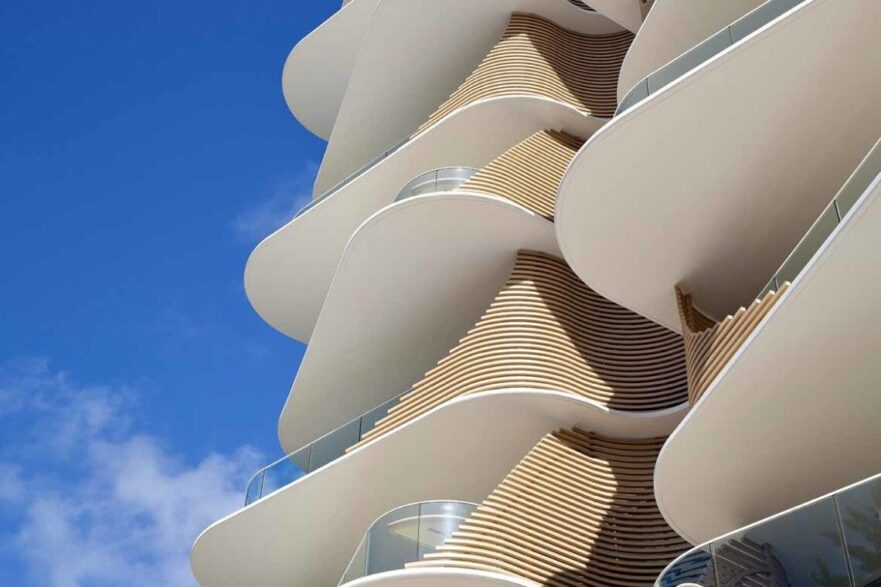  Project details Architecture – koichitakada.com We think you might like this story where we follow Koichi Takada for a day The post Surfside curves appeared first on Habitusliving.com. |
| Cohesive, confident, customisable: Step into the world of Markian’s rug collection Posted: 22 Feb 2022 01:46 PM PST 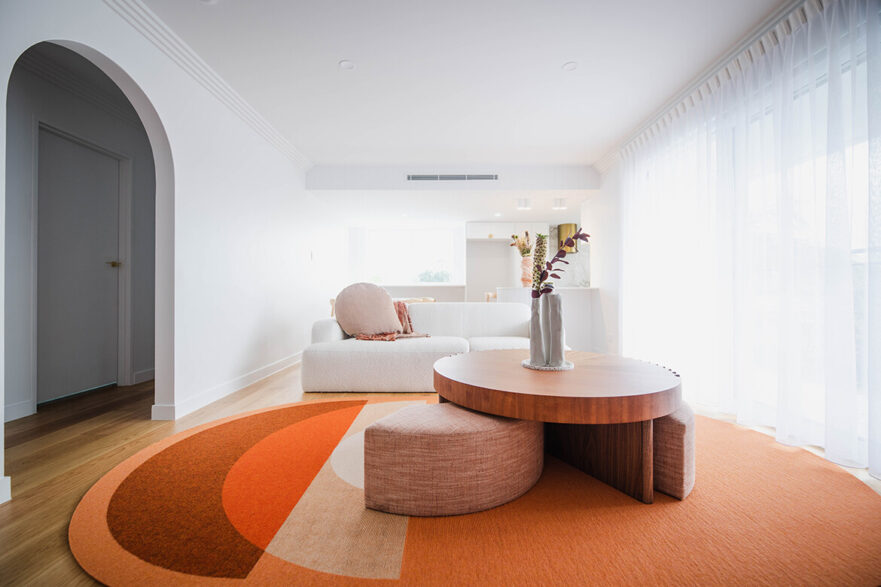 Evoking the rich palette of experiences, emotions and impressions that is undeniably brought by the act of travel, VIEIRA's leading scallop motif – encountered by Roz de Waal, Markian's Design Director, throughout her excursions – defines the cohesive expression of all of the collection's elements. 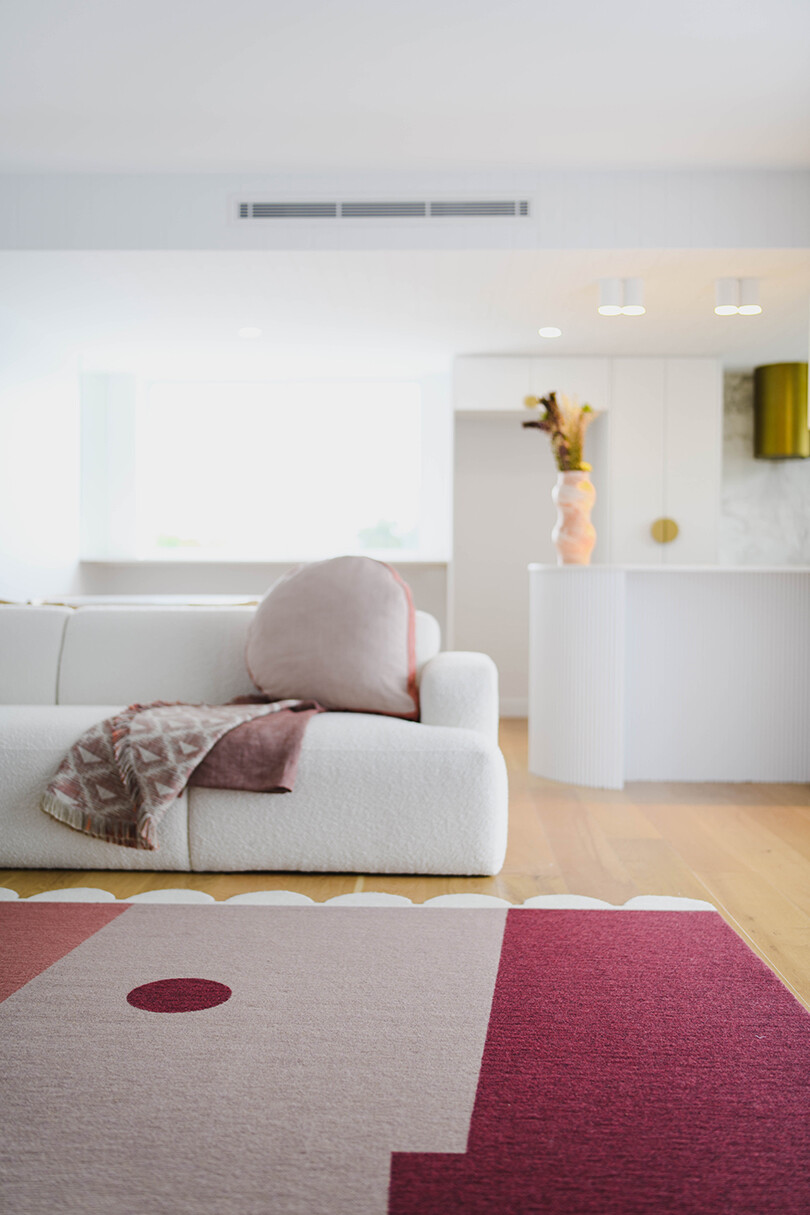 Its round, engaging and welcoming edge determines the silhouettes of table, seating and storage designs – with its alluring shape also woven into the beautifully curated selection of rugs. The range comprises Designer Rugs and Tretford Rugs – and each product brings VIEIRA's highly-resolved articulation to life differently. The outcome of a collaboration with Designer Rugs, the unquestionable leader in the field of handmade rugs, the new Designer Rugs for Markian range draws inspiration not only from the inaugural VIEIRA collection, but from the very piece that inspired it in the first place: the Ray Low Table. Mimicking the bold shape of the piece, Markian's Designer Rugs see the scallop curve inverted, with the central circle that echoes the Marblo tray on the table. 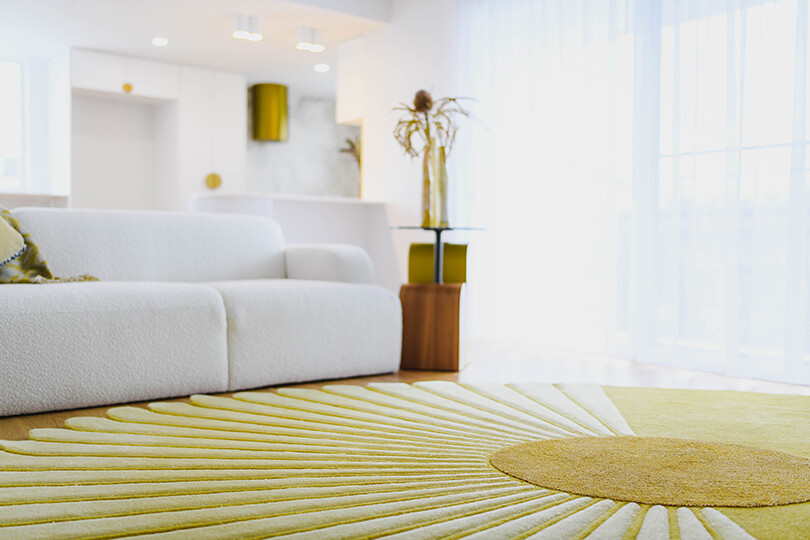 "Like Ray Low, the use of different colours in the ray showcases the shadows and highlights of the scallop," says Roz. "We drew the inspiration for the rug design from the furniture pieces, which are quite bold in their colouration. Each rug has three different hues in the same tone – a dark centre, a mid base, a lighter colour in the rays." She explains the design intent was carried throughout all five different shapes – teardrop, round, oval, D-shape and semi. The intriguing forms of Markian's handmade Designer Rugs, combined with their rich, bright colourways, are incredibly unique – and the Tretford Rugs line enhances the brand's distinctive offering even further, enabling design professionals to generate striking, one-of-a-kind interiors. 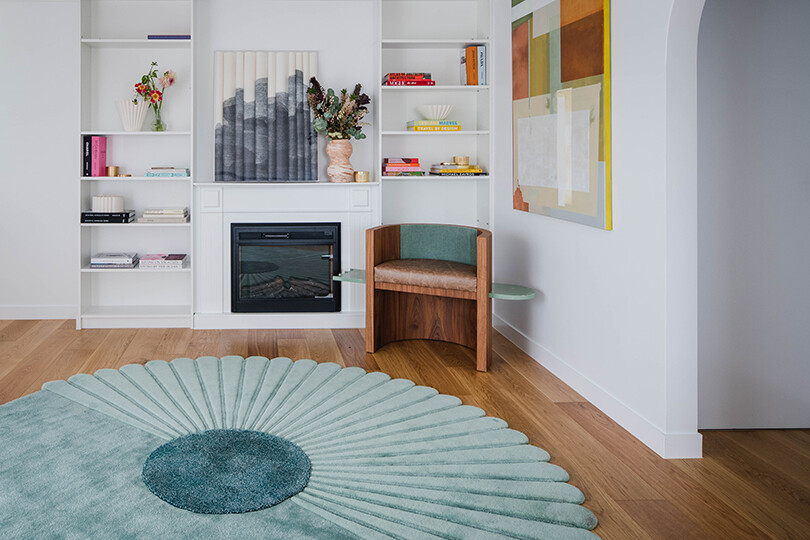 While the bespoke rugs from the Designer Rugs range establish a more obvious connection with VIEIRA's signature scallop motif, the Tretford Rugs are a more figurative interpretation of its fluid shape. Created in close collaboration with Gibbon Architectural and Chris McKenzie, one of Markian's Design Directors, the line comprises five designs that come in four distinct shapes. From the toned-down and more mature take on the motif on the Eileen rug, to the Picasso-inspired Eero and the calming symmetry of Zaha and Neri, Markian's Tretford Rugs embrace the multifaceted appeal of Viera's principles through whimsical colour combinations and a graphic amalgamation of shapes, purposefully interacting with each other. 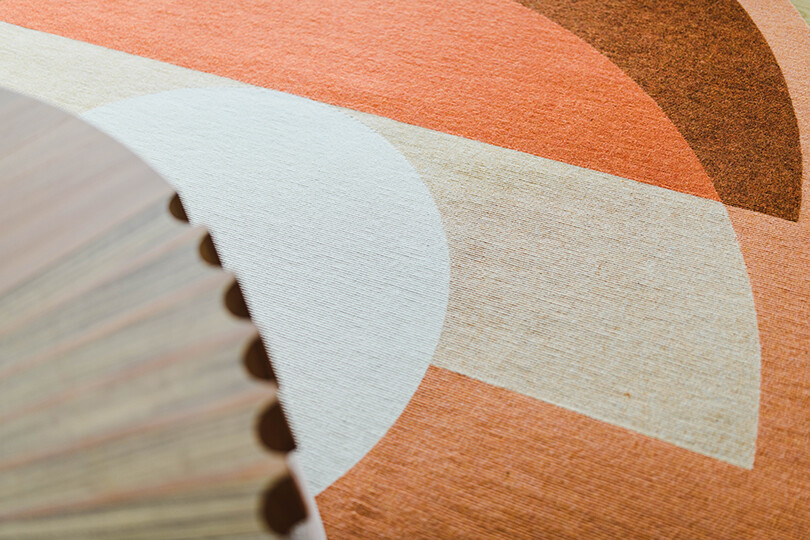 However, the delineation in visual representation of the collection's leading pattern isn't the only characteristic that sets the two exquisite product lines apart. Designer Rugs and Tretford Rugs are made in different locations, using distinct manufacturing techniques and materials. Designer Rugs are made to order in Malaysia with hand-tufted New Zealand wool and bamboo. "Hand-tufted rugs are produced by shooting yarn through a tufting gun into a stretched fabric frame – much like a stretched canvas. Each shape and colour is tufted separately, like colour-by-numbers, and their construction makes them the perfect choice for geometric designs," Roz explains. 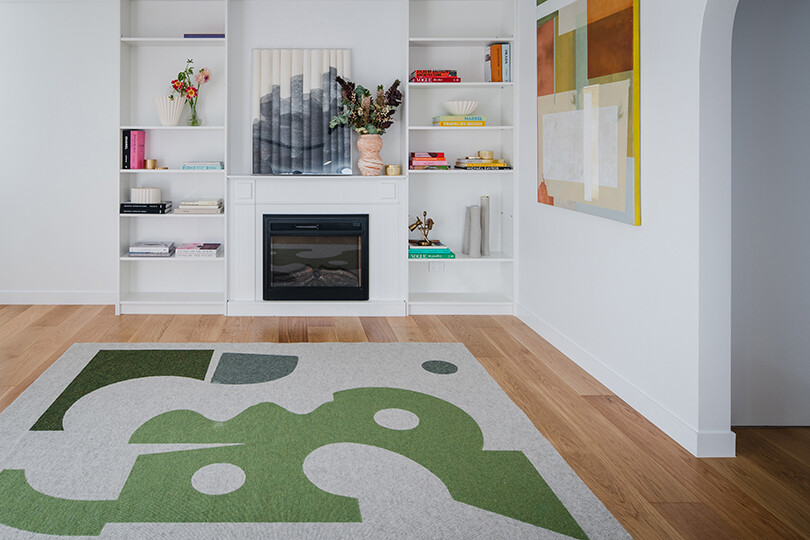 The combination of these manufacturing practises and carefully selected materials makes the range more affordable than hand-knotted floor coverings, stain repellant and exceptionally durable – a quality sought-after in high-traffic areas and commercial environments, in particular. Alongside the practical benefits the materials provide, the fusion of wool and bamboo results in a naturally soft, shiny and luxurious surface that engages in subtle interaction with the light, creating a sense of movement and dimension. "Bamboo has a lustre similar to silk and is used to emphasise portions of each rug's design, creating incredible highlights and lowlights," expands Roz. And even though Designer Rugs boast such an intricate amount of detail and are manufactured in South East Asia, the average turn-around time for one of these custom handmade designs is only 12 weeks. Because they're made locally, turn-around time for the custom Tretford pieces is even quicker than the Designer Rugs range. Handcrafted and manufactured in Brisbane, Tretford Rugs are made with cashmere goat hair – sourced from the highlands of Inner and Outer Mongolia – with a selection of other renewable and recycled raw materials incorporated throughout the products, like jute in the Roll format products, and 80% recycled polyester felt in the backing of the Interflie Tile. 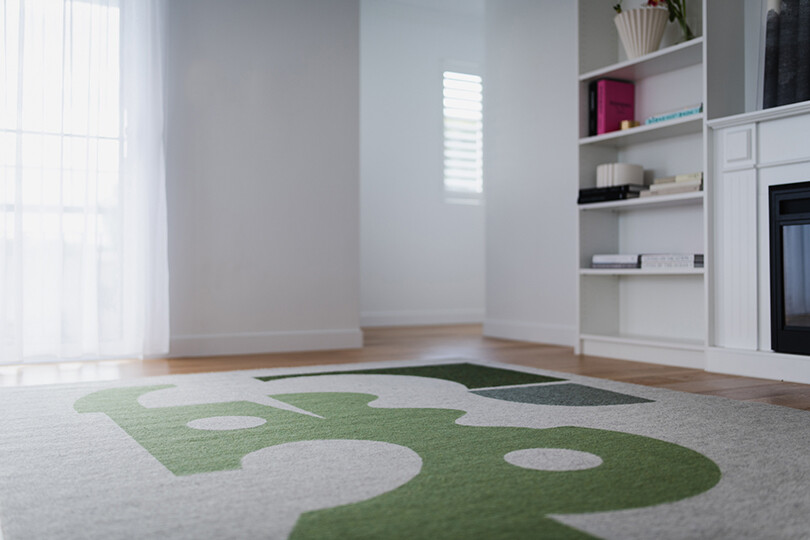 Tretford Rugs' composition is responsible for the products’ durable, versatile and easy to maintain profile which – alongside the range's quirky, yet refined visual expressions – makes them an ideal choice for a broad range of interiors, be it a residential, commercial or hospitality application. "Tretford Rugs respond to the need for fun rugs that are durable enough for work environments. Oftentimes, the rugs found in office spaces are plain and don't offer an element of happiness and joy that colour can bring," Roz explains. "The designs and shapes of the rugs are quite playful but still corporate enough to work with." Between the two distinct ranges boasting unparalleled visual and tactile quality, and an array of invaluable practical benefits, Markian's extensive rug collection further accentuates VIEIRA’s rich design potential, while delivering a product fit for the demands of the modern architectural context. And with the advanced level of customisation that allows clients to tailor the existing designs to a specific environment, both product lines will elevate the character of the space with Markian's distinct creative perspective, and express the designer’s unique vision for the interior. MarkianPhotography by Brodie James Photography The post Cohesive, confident, customisable: Step into the world of Markian's rug collection appeared first on Habitusliving.com. |
| You are subscribed to email updates from Habitusliving.com. To stop receiving these emails, you may unsubscribe now. | Email delivery powered by Google |
| Google, 1600 Amphitheatre Parkway, Mountain View, CA 94043, United States | |


No comments:
Post a Comment